Vinay Kumar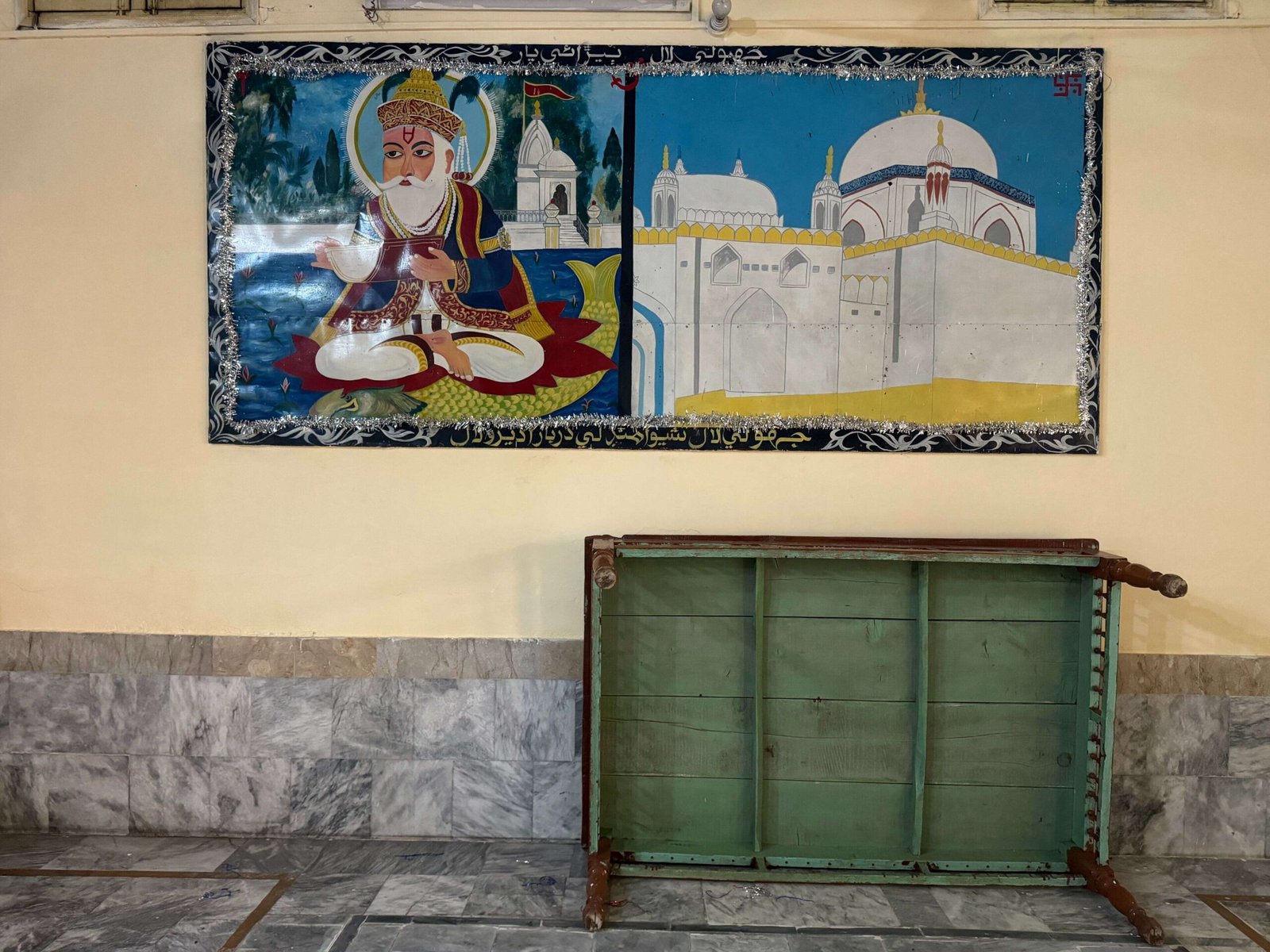
In Maharashtra, Chhattisgarh, Rajasthan and several other parts of the country, Sindhis have been gathering in anger and solidarity, sharing videos, holding rallies, and flooding social media with messages of unity. The target of their ire is Johar Chhattisgarh Party leader Amit Baghel who hit a raw nerve last month when he reportedly said that Sindhi Hindus who worship Jhulelal could leave for Pakistan and perform their puja there.
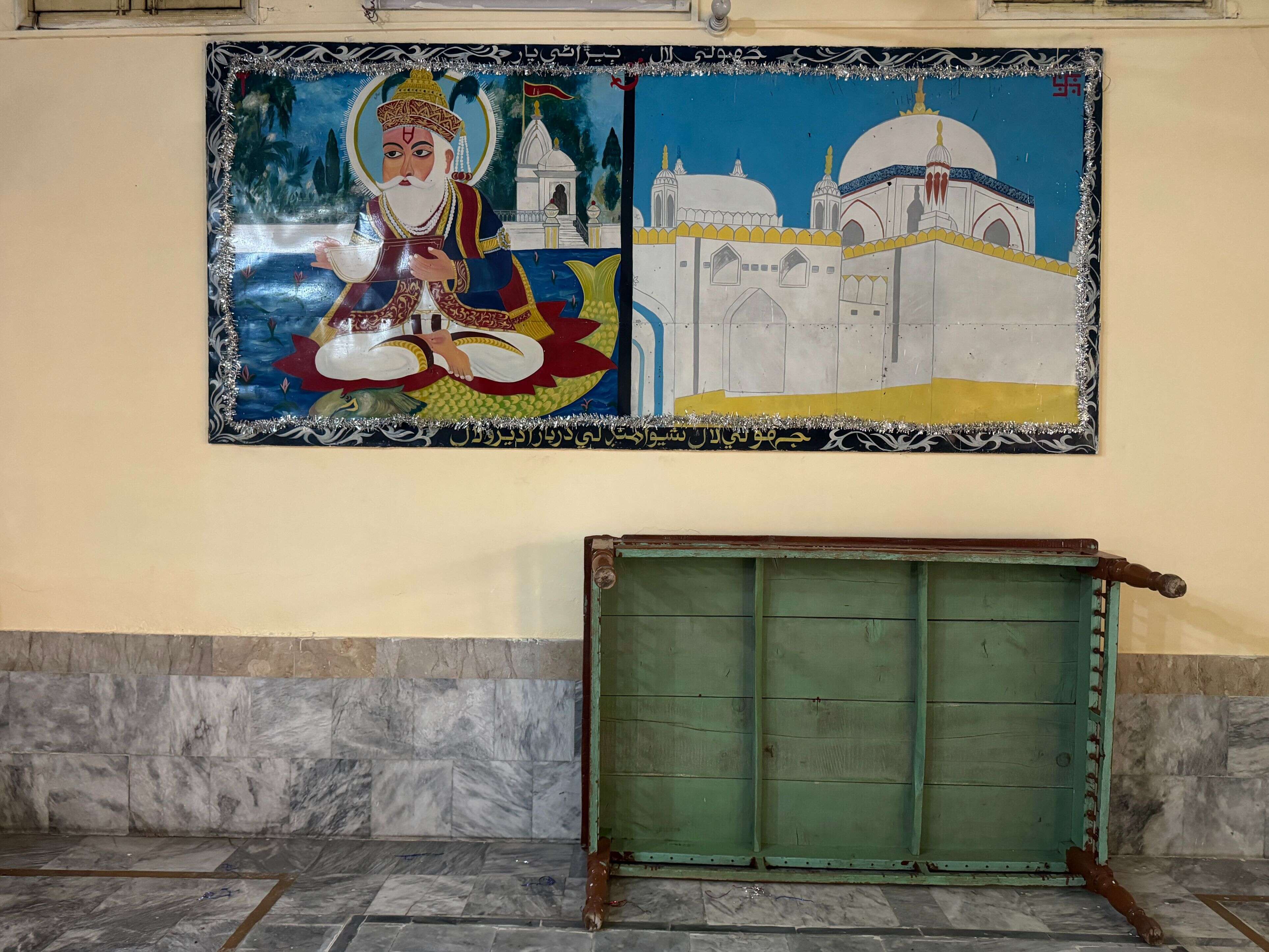
Jhulelal, a bearded, riverine deity is often depicted with a book in his hand and seated either on a pallo fish (also known as hilsa or ilish) or astride a horse. Also known as Udero Lal, he looks like a cross between Guru Nanak, a Sufi pir or a faqir, and a Vaishnavite saint. He also bears a resemblance to Vishwakarma and when on horseback, to some representations of Lal Beg. Jhulelal’s birthplace lies along the banks of the Indus in what is present-day Pakistan.

After Partition, Sindhi Hindu refugees left the areas that became Pakistan and settled all over the newly defined territory of India (and, indeed, all over the world). In the absence of a state to call their own (unlike the refugees of Punjab and Bengal), Sindhi leaders in India like Ram Panjwani hoped that Jhulelal would unite a displaced, stateless community. The Sindhi intelligentsia aimed to preserve what they called Sindhyat (Sindhiness) at a time when their cultural and religious practices were often disparaged. Scholars such as Rita Kothari, Michel Boivin, and Dominique Sila-Khan have shown how Sindhi refugees in India faced stigma for their syncretic Hindu, Sufi, and Nanakpanthi practices. To fit into states across India, Sindhis learned new scripts, spoke new languages, changed their diets, and sometimes dropped their surnames.
Yet despite their attempts to fit in, the ‘otherness’ of Hindu Sindhis rears its head every so often.
In contemporary political rhetoric, labelling someone ‘Pakistani’ has become a routine way to cast doubt on their loyalty. For Sindhis — a displaced community whose memories, geography, and heritage are linked to regions now in Pakistan — such slurs cut especially deep. Having spent more than seven decades trying to belong, being told to “go to Pakistan” reopens the wounds of Partition.
Baghel’s remarks are not an isolated outburst. They reflect a broader pattern in which nationalism pits communities against each other, as if belonging were a zero-sum competition. Calling for Baghel’s arrest will not put an end to this perpetual questioning of their loyalty. In the past, right-wing activists have vandalised Sindhi-owned bakeries named after Karachi or demanded that the word Sindh be removed from the Indian national anthem.
The recent protests reveal a community tired of being told, in hackneyed terms, that they are “anti-national” or “Pakistani.” The very symbols being mocked — the fish, the river — evoke a deep, shared geography that predates the modern borders of India and Pakistan. The question now is will yet another incident denigrating Sindhis for their connections to Sindh, to Pakistan, push them to further assimilate and ‘Hinduize’, distancing themselves from the mixed practices and lands that define their heritage? Or will this lead some Hindu Sindhis to question their participation in a nationalist politics that continually interrogates their belonging?
Sindh is leveraged not just within India’s domestic politics, but in the ongoing conflicts between India and Pakistan. In recent remarks possibly spurred by this controversy, India’s defence minister Rajnath Singh suggested that Sindh may “return” to India. Parliamentarians in Pakistan such as Sherry Rehman swiftly retorted that Sindh was the first province to vote for Pakistan. This exchange reduces Sindh to a geopolitical pawn while overlooking the history of colonial majority-minority politics in the region. Sindhis are stateless in India and often treated as second-class citizens in Pakistan, where the province of Sindh has suffered from upstream dams and poor development. Sindhis would do well to question their absorption into nationalist politics that leverages their pain and displacement for strategic gains.
As the last generation with direct memories of Partition passes away, the shared history of the subcontinent is at risk. What might a different path forward look like — one that refuses the exclusions demanded by nationalist politics? Perhaps, instead of constantly trying to squeeze themselves into rigid boxes of belonging, Sindhis can reclaim the fluidity that has always defined them like the flowing waters of the Sindhu dariya — the Indus River — from which Jhulelal is said to emerge.
Disclaimer
Views expressed above are the author’s own.
END OF ARTICLE