Vinay Kumar
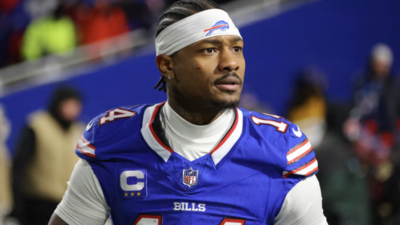
A procedural update in Stefon Diggs’ legal case is quietly drawing league-wide attention not because of what changed, but when it changed. According to local Boston reporting, the NFL wide receiver’s arraignment on criminal charges involving his personal chef has been pushed back to February 13 in Dedham District Court, just days after the Super Bowl.The delay does not resolve the case or alter the charges, but it does shift the short-term timeline in a way that naturally raises questions around optics, league process, and next steps.
What changed in Stefon Diggs’ court schedule
Per 7News in Boston, Diggs’ arraignment was originally scheduled for later this month but has now been postponed until Feb. 13. The hearing will take place in Dedham District Court, where the case has been filed.An arraignment is typically the first formal court appearance in a criminal case, during which charges are read and a plea is entered. No trial or evidentiary rulings occur at this stage.There has been no public change to the charges themselves, and Diggs has denied the allegations through his legal representation.The new date lands just days after the Super Bowl, a detail that has fueled discussion even though the delay itself appears procedural.In the NFL, major legal milestones including arrests, arraignments, or new filings often trigger internal reviews by the league office. By pushing the arraignment past the season’s biggest event, the immediate spotlight shifts back to football in the short term, even as the legal process remains ongoing.That timing does not imply intent or outcome, but it does alter when league scrutiny may intensify.
How the NFL typically handles unresolved legal cases
Historically, the NFL has taken a case-by-case approach to situations involving pending legal matters. Placement on the Commissioner’s Exempt List is discretionary and often depends on factors such as available information, legal progress, and timing.In many cases, the league waits for formal court proceedings like an arraignment before making determinations about discipline or roster status. Delaying that step effectively pauses that part of the process, at least temporarily.It is important to separate facts from assumptions.The postponement does not mean the case is resolved. It does not signal innocence or guilt. It does not guarantee any particular league outcome.What it does mean is that the next official legal checkpoint now comes after the Super Bowl, extending uncertainty while keeping the focus on the calendar rather than conclusions.Also read – Why the Chiefs fear losing Travis Kelce for reasons that have nothing to do with football