Vinay Kumar
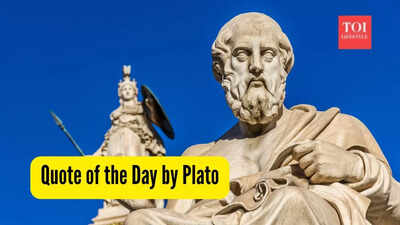
Plato was the student of Socrates and the teacher of Aristotle. He is the OG ancient Greek thinker whose philosophies have formed the foundation of Western thought. He is said to have been born in 428 BC in Athens in an aristocratic family. He started as a wrestler and poet, but he became deeply interested in philosophy after being associated with Socrates. Socrates was his mentor who got executed for “corrupting youth” by asking too many questions. Plato bounced around after that, traveling to Egypt and Italy, picking up math from Pythagoreans. He settled back in Athens around 387 BC and started the Academy, basically the world’s first university. For nearly 900 years, the Academy trained prominent figures in math, astronomy, and politics. Plato wrote about 30 dialogues—stories featuring Socrates debating everything from love to justice. What were his major concepts and theories? Theory of Forms: real reality is perfect “ideas” like beauty or justice, not the messy stuff we see. He pushed math over senses and imagined philosopher-kings ruling ideal cities in The Republic.One of his most famous quotes is, “Do not train a child to learn by force or harshness, but direct them to it by what amuses their minds, so that you may be better able to discover with accuracy the peculiar bent of the genius of each.” Plato wants to convey that parents and knowledge kill curiosity. You can make kids learn difficult things with fun stuff that engages themp-like games or stories-so their true talents bubble up naturally. It’s about spotting that unique spark in each one, not molding clones.Plato said something spot-on about raising kids and teaching them: “Do not train a child to learn by force or harshness; but direct them to it by what amuses their minds, so that you may be better able to discover with accuracy the peculiar bent of the genius of each.” In plain words, he means don’t shove knowledge down a child’s throat with yelling or punishments. That completely destroys their natural curiosity. Instead, guide them toward learning through things that spark joy in their heads-games, tales, play-so you can truly see what makes each one special, that hidden genius bending in its direction.
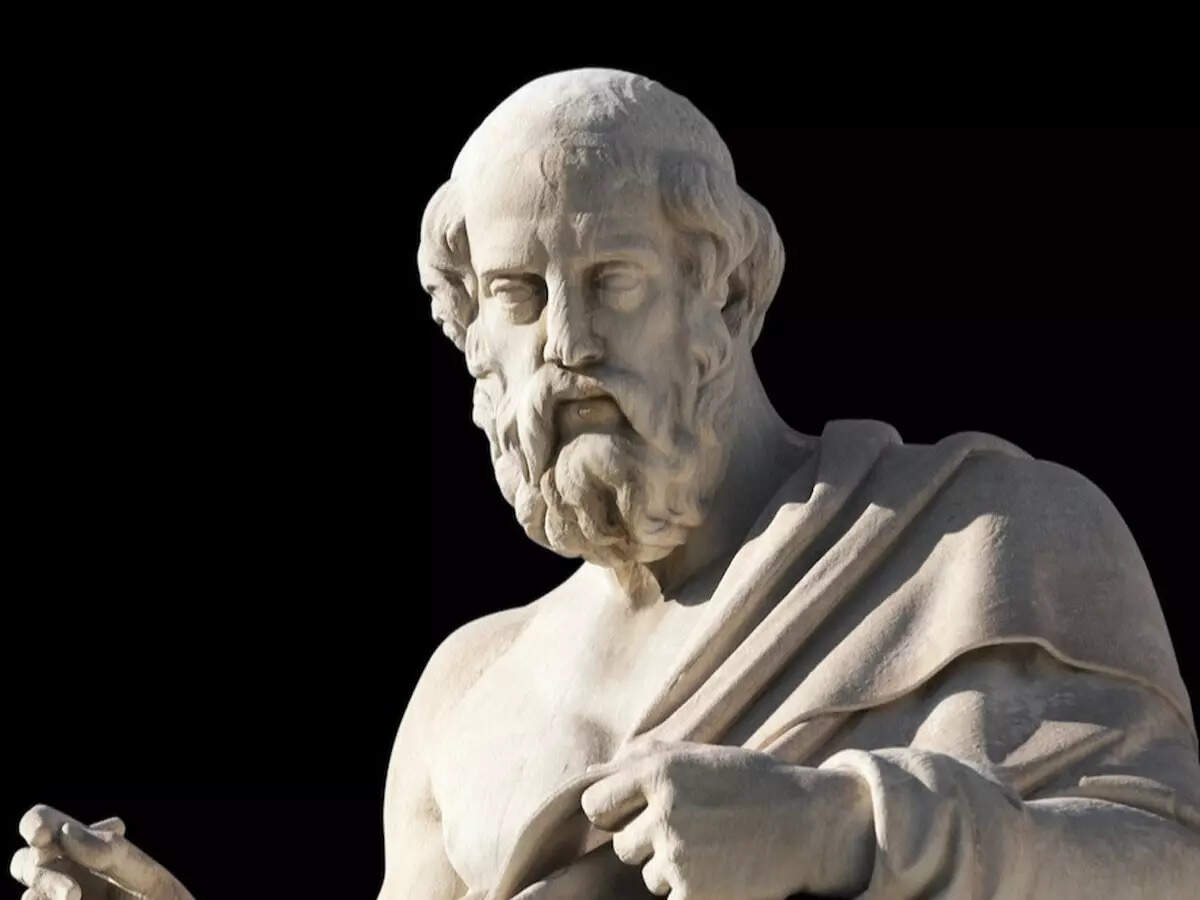
Think of kids as little explorers, not robots to program. Force them with strict rules, endless drills, or slaps on the wrist, and watch the light fade from their eyes. They might memorize a bit out of fear, but it sticks like wet sand, gone by tomorrow. Curiosity? Crushed. They start hating books, numbers, or whatever you pushed. Harshness builds walls, not bridges. Parents yell, “Study harder!” Teachers whack knuckles for wrong answers. Result? Kids sneak off to daydream or rebel quietly. No real learning happens. Plato saw this ages ago. He knew humans bloom when drawn gently, not dragged.Flip it around. Use what amuses them. Is a boy obsessed with cricket scores? Slip math through batting averages. He will learn it, no clue he’s “studying.” Girl lost in street stories? Weave grammar into folktales of clever foxes. Her mind races ahead, hungry for more. Fun sneaks past defenses. It feels like play, not work. That’s the trick. Laughter loosens tongues; questions flow free. You chat over chaat, toss a ball while explaining shapes, and draw comics for history. Child opens up, and barriers drop. Plato also wants one to understand that not all children are the same. So using the stick to train different individuals of different calibers is totally wrong. Making education engaging is the best way to impart it, and to help children truly thrive.