Vinay Kumar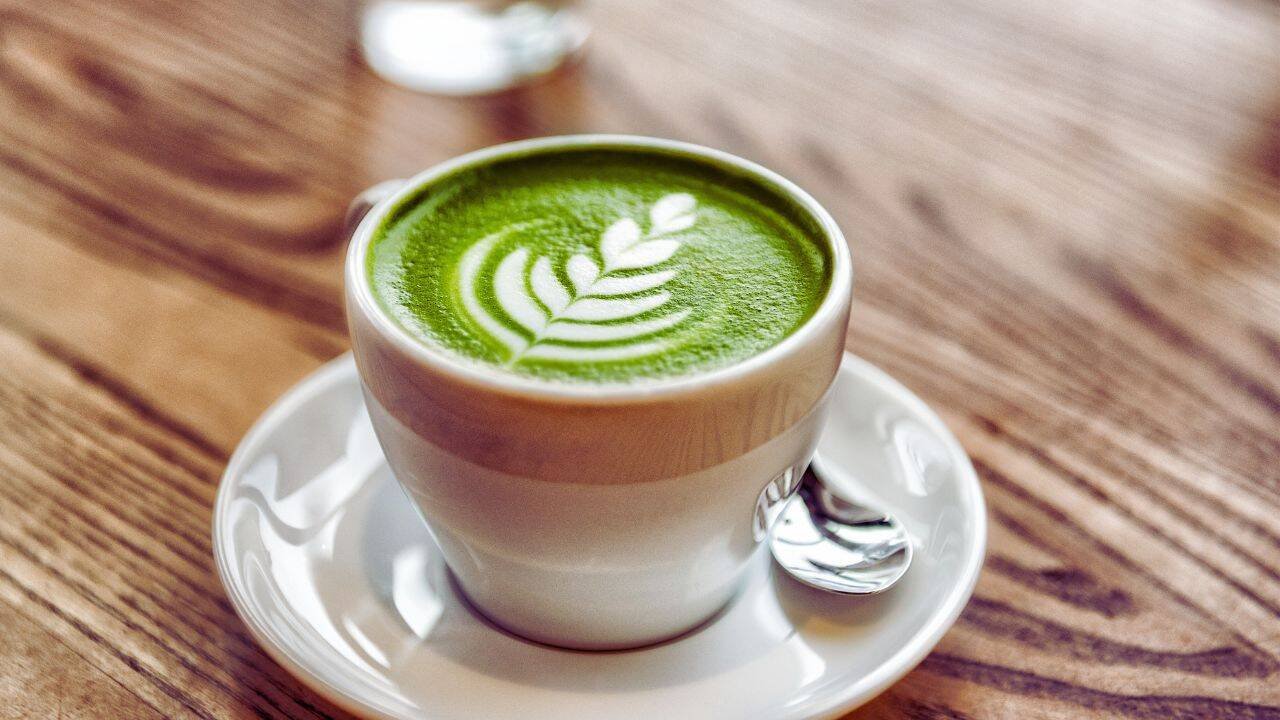
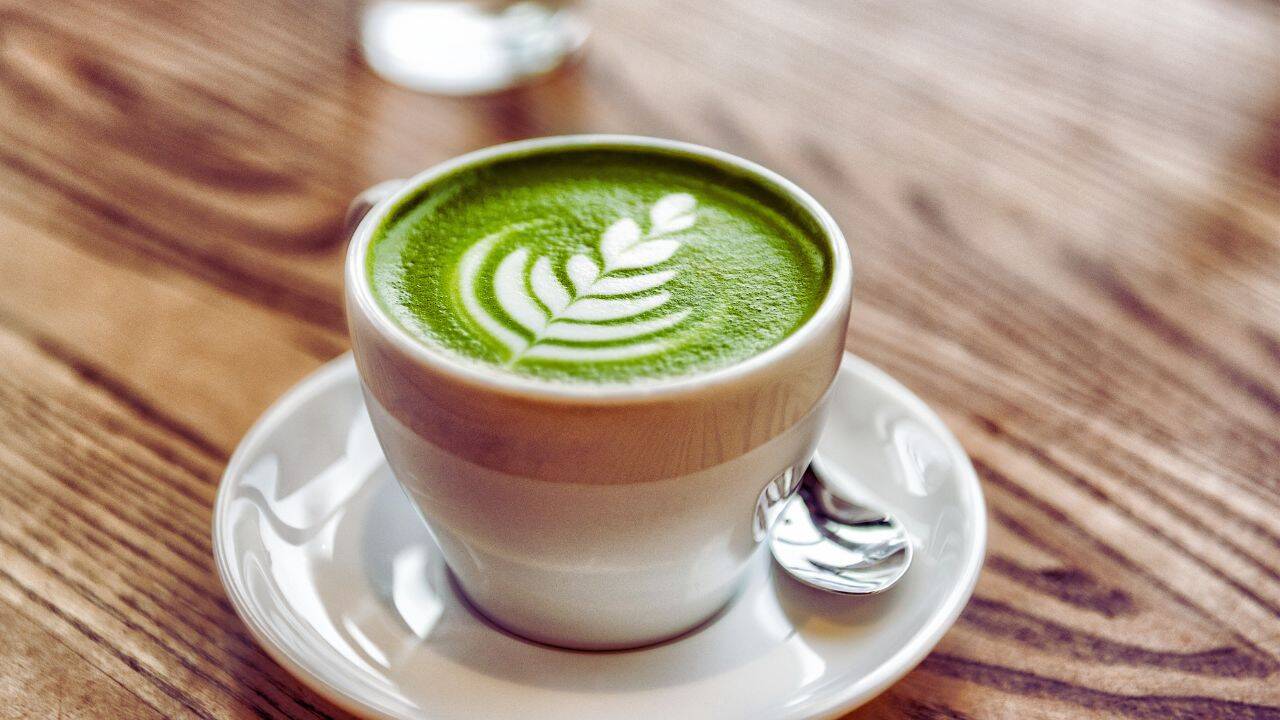

Matcha rose to remarkable prominence in 2025, evolving from a traditional tea into a global lifestyle staple. Once closely associated with the refined tea culture of Japan, matcha steadily found its way into modern cafés, wellness routines, and social media feeds around the world. Its vivid green hue, earthy flavour, and reputation as a natural source of antioxidants and sustained energy made it particularly appealing to a generation seeking healthier, mindful alternatives to conventional caffeinated drinks. Throughout 2025, matcha became more than just a beverage; it emerged as a cultural trend. From matcha lattes and desserts to skincare and functional wellness products, its versatility captured the imagination of chefs, nutritionists, and consumers alike. The visual appeal of matcha—often showcased in aesthetically pleasing drinks and recipes—also played a key role in its viral popularity across digital platforms.
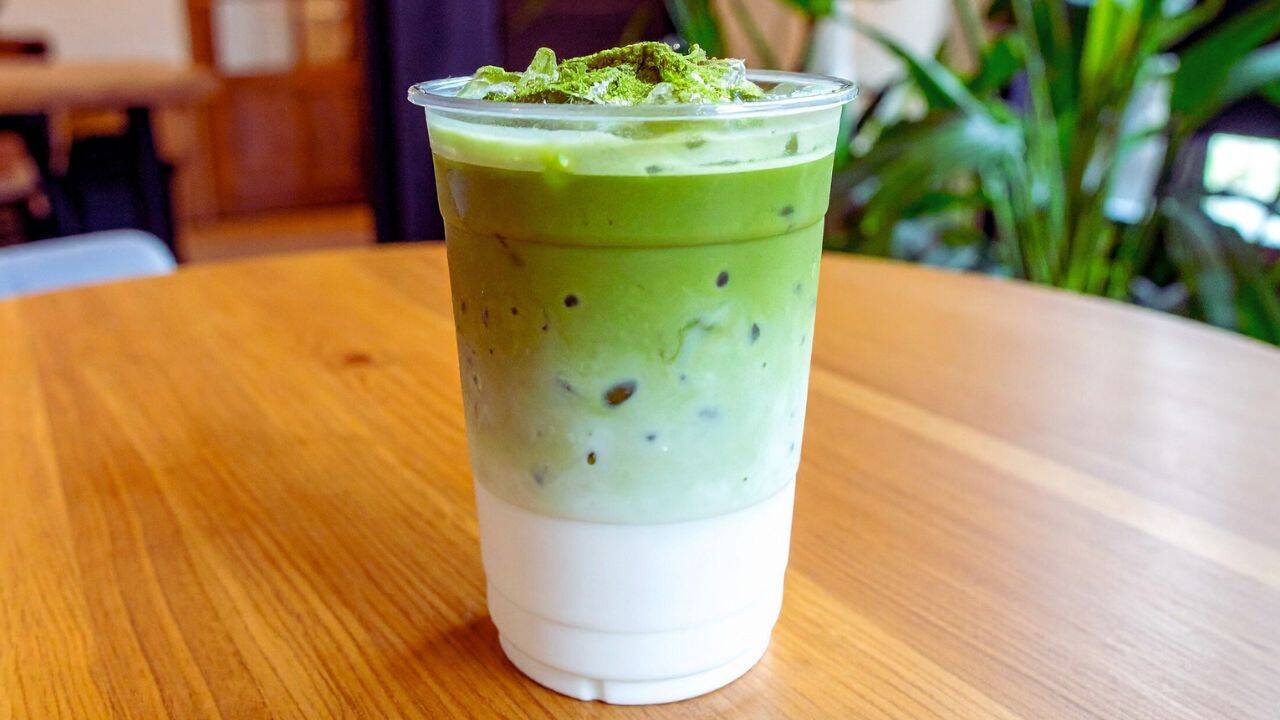
As 2026 unfolds, the fascination with Matcha shows no sign of fading. Cafés continue to experiment with creative matcha-infused offerings, while health enthusiasts embrace it for its balanced energy and calming properties. What began as a niche ingredient has firmly secured its place in global food and wellness culture.In this newsletter, we explore the world of matcha—its origins, benefits, evolving trends, and the many ways it continues to shape modern food and beverage culture.
Read more at: How Matcha took over 2025
Where heritage meets flavour
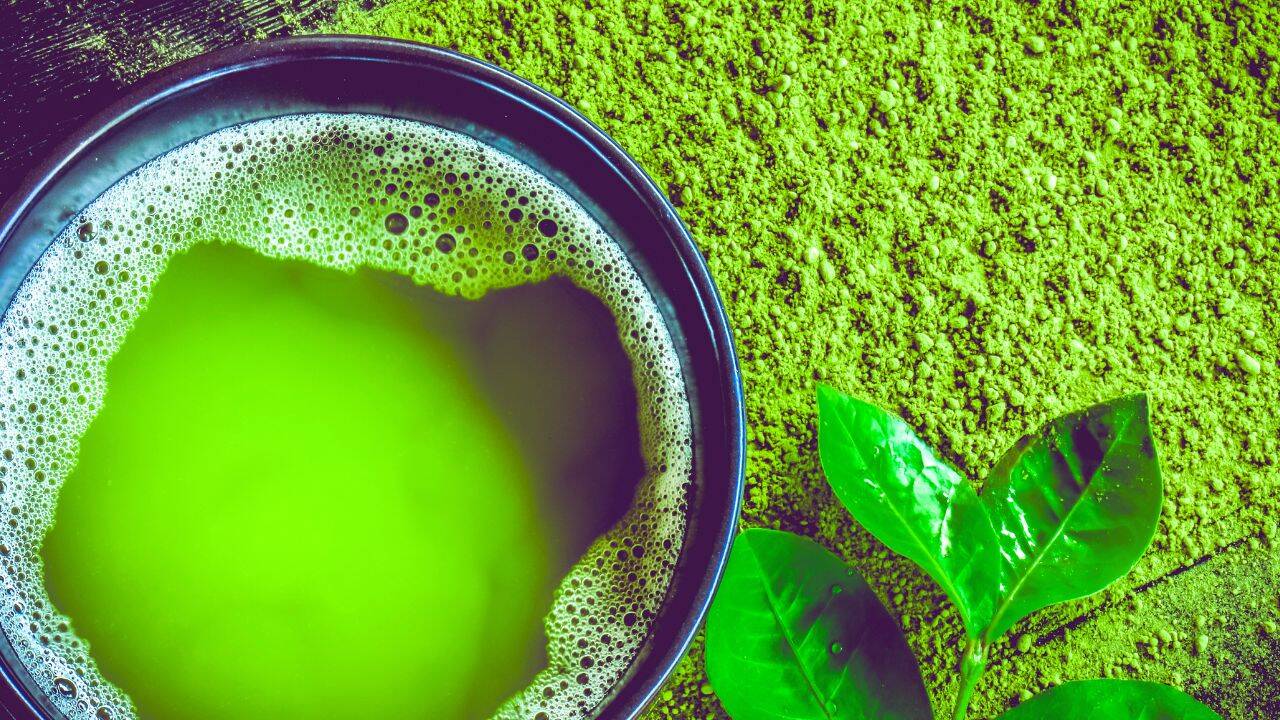
Matcha is distinguished by both its meticulous cultivation and its centuries-old cultural heritage. The tea leaves are carefully shade-grown before harvest, a process that deepens their vibrant green colour and enriches their nutritional profile. Unlike conventional teas that are steeped and discarded, matcha is stone-ground into a fine powder and whisked into water, allowing the entire leaf to be consumed. This results in a fuller flavour, a concentrated source of antioxidants, and a gentle, sustained release of energy. Originating from the refined tea traditions of Japan, matcha embodies a harmonious blend of ritual, wellness, and flavour.
Read full article: What has made Matcha tea so popular?
Ever tried Kulhad Matcha?
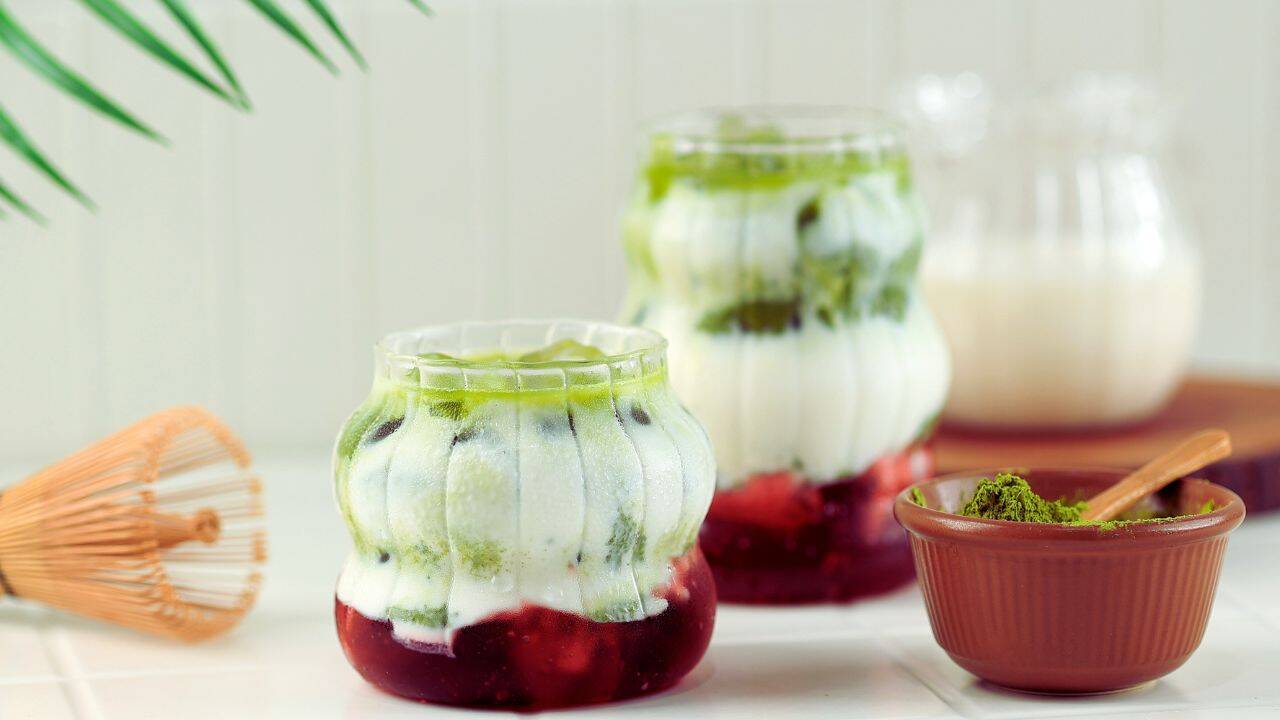
A street vendor from Lucknow has introduced an unusual twist on Matcha. Instead of preparing the Japanese tea in its traditional style, the vendor brews what he calls “garam matcha chai” much like roadside Indian tea—boiling the bright green liquid in a large brass pot and stirring it with a long ladle. The drink is then served piping hot in a kulhad, the rustic clay cup commonly used for chai. This unexpected fusion of global café culture and Indian street-food tradition has sparked amusement, curiosity, and debate online, with many praising its creativity while others questioned the unconventional preparation.
Read full article: ‘Garam matcha chai’ in kulhad? Lucknow vendor serves jaw-dropping beverage
Blue or Green, which is matcha, are you?
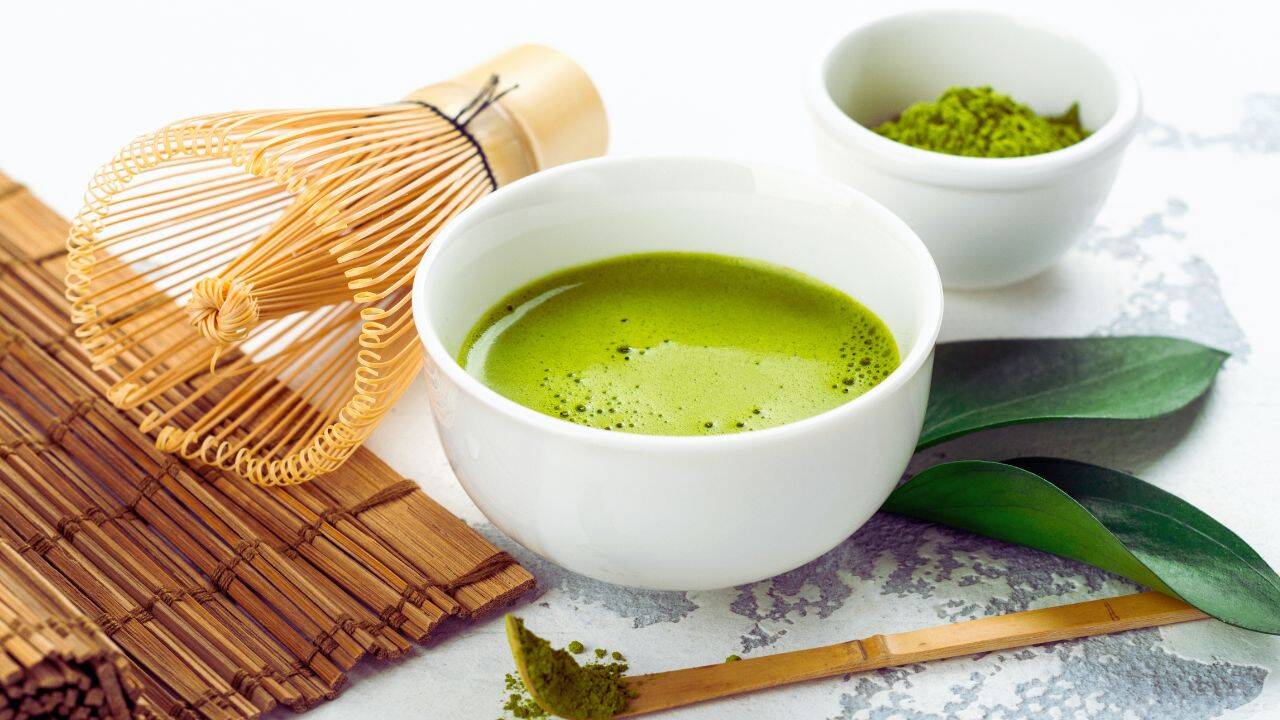
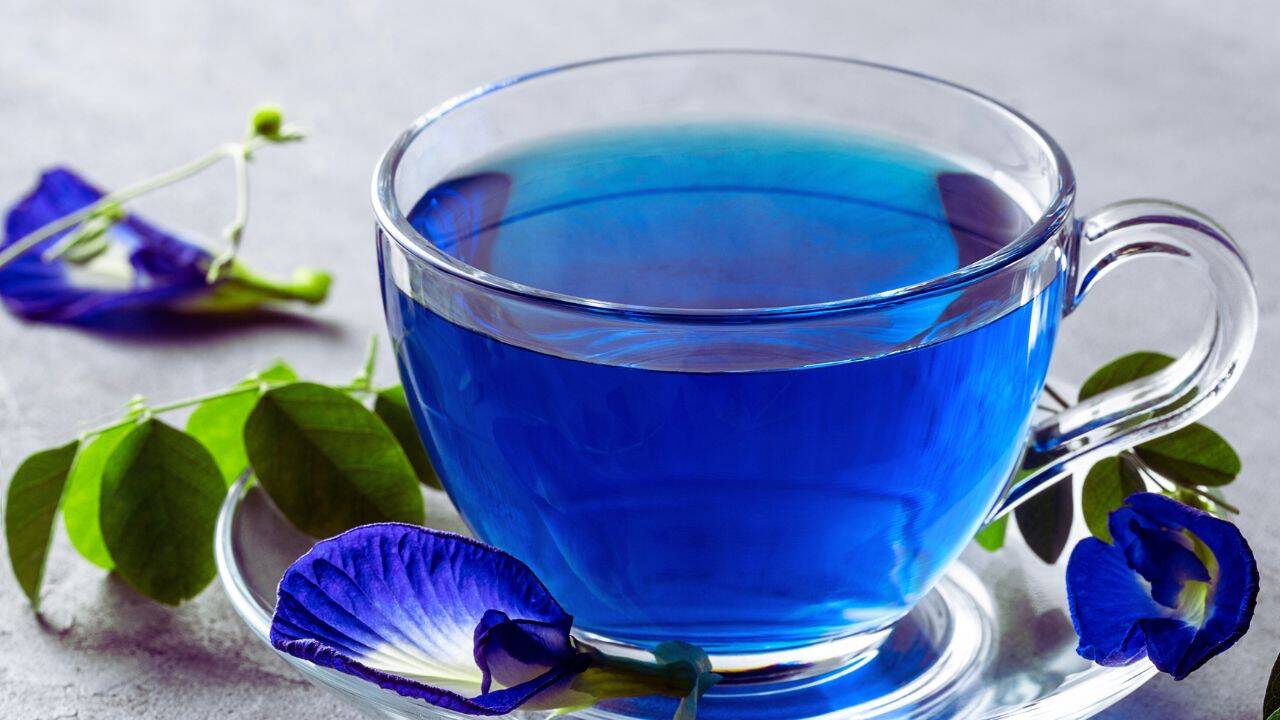
Blue matcha and green matcha may appear similar but differ significantly in origin, flavour, and benefits. Blue matcha is derived from powdered butterfly pea flowers and is naturally caffeine-free, celebrated for its striking blue hue and antioxidant properties. In contrast, green matcha is made from finely ground green tea leaves, traditionally cultivated in Japan, and contains caffeine along with powerful antioxidants that promote alertness and well-being. Blue matcha is often used to create visually vibrant beverages and desserts, while green matcha is cherished for its rich, earthy taste and role in traditional tea culture. Both offer unique qualities that appeal to modern wellness and culinary trends.
Read full article: Blue matcha vs Green matcha
Disclaimer
Views expressed above are the author’s own.
END OF ARTICLE