 Vinay Kumar
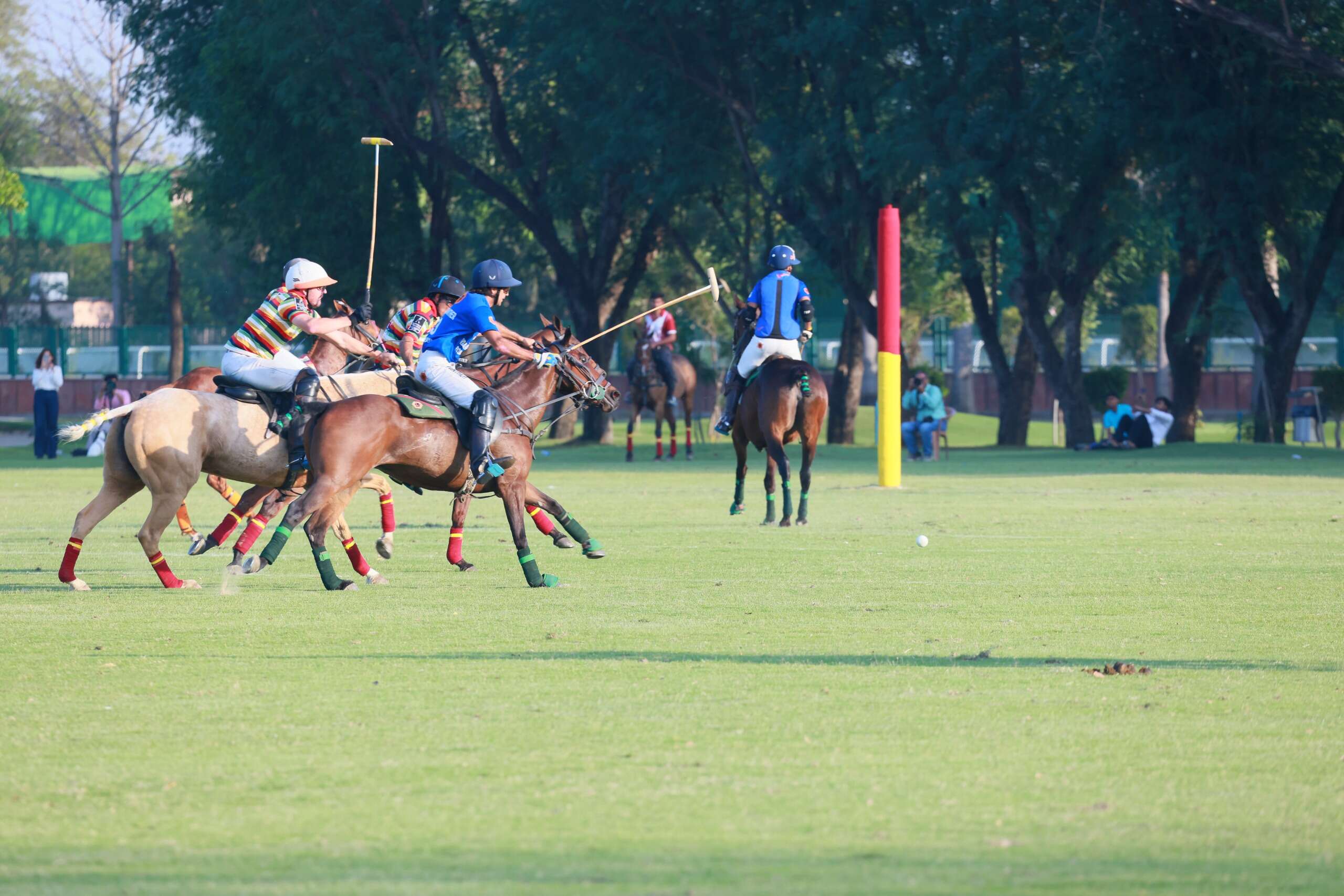
Sunday afternoons, in a certain version of India, still carry the faint echo of hooves. Not the hurried, honking chaos of our usual lives but a slower, more deliberate rhythm. Leather on grass, mallet meeting ball; conversation that pause mid sentence because something elegant just happened in the distance.
Polo, like many good things, refuses to shout. It does not trend. It does not explain itself. It simply unfolds, with the quiet confidence of something that has never needed validation from a dashboard.
And yet, even such afternoons are no longer entirely immune to the administrative imagination. Somewhere in Delhi, the Jaipur Polo Ground, that improbable stretch of colonial memory and ceremonial leisure, has been asked to vacate. Not dramatically, not even controversially, just a notice. A quiet reminder that history, in modern India, is often a tenant on a short lease.

It is always instructive to watch what a civilisation chooses to preserve and what it politely asks to move on.
Horses still run with that combination of grace and muscle that makes human ambition look slightly overdesigned. But the ground beneath it all feels less permanent, as though even tradition now comes with a renewal clause. And into this setting walks the Bengali bhadralok.
Not literally, of course. The bhadralok does not ‘walk into’ things. He arrives, observes, adjusts his glasses, and takes a considered position slightly to the side. Close enough to be involved, yet distant enough to retain perspective.
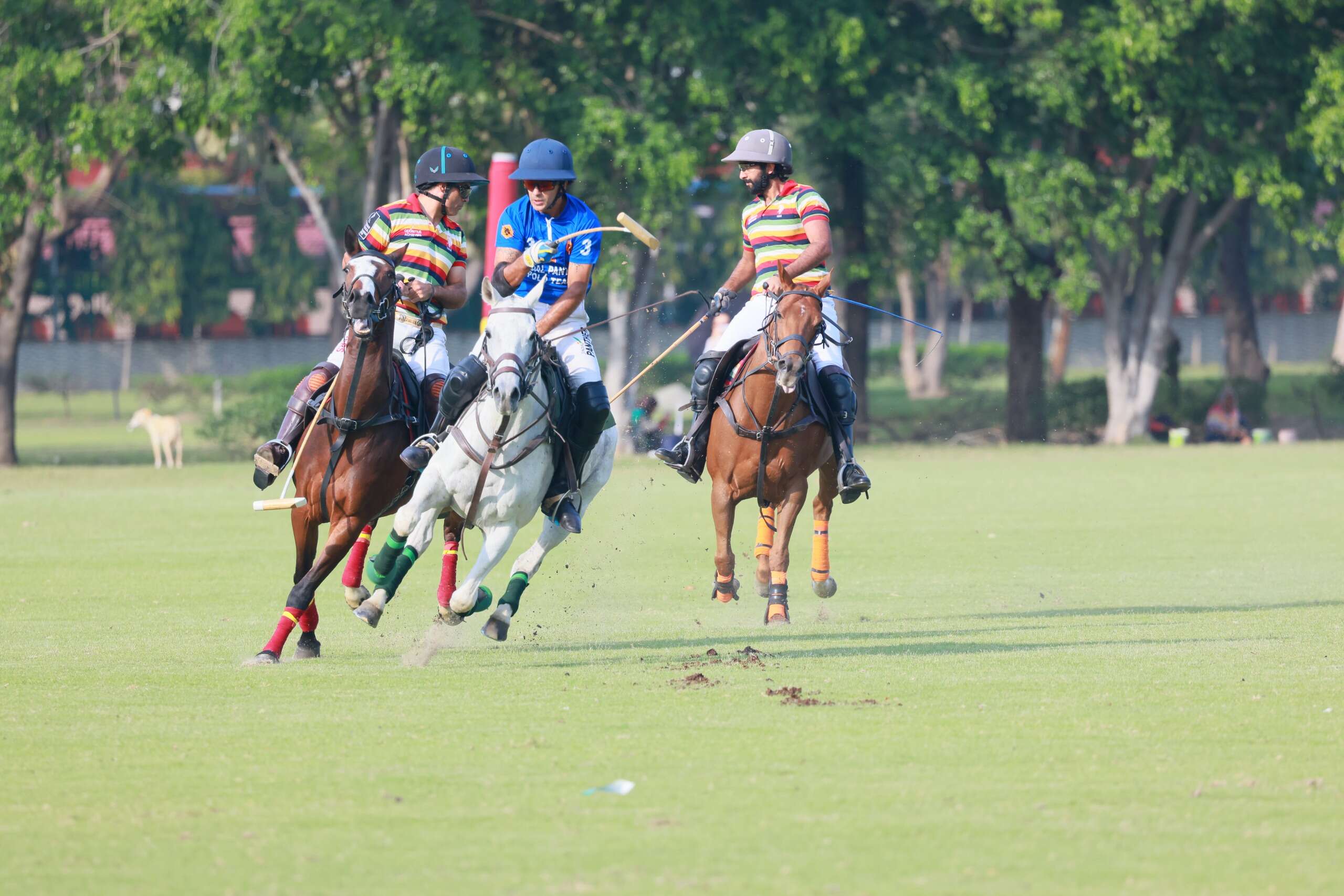
Polo is not his natural habitat. He is, by instinct and training, a creature of conversation, of argument, of long-meandering addas that begin with literature and end, several cups of tea later, in civilisational critique. The idea of chasing a ball on horseback, at speed, while others do the same with competitive urgency, appears to him mildly excessive.
And yet, he watches; because if you look at polo not as sport, but as structure, it begins to feel oddly familiar. A game of position, of timing, who arrives where and when, advantage that appears natural but is often inherited.
The bhadralok understands this language instinctively. He has seen it play out in universities, in bureaucracies, in drawing rooms where power speaks softly but carries impeccable pronunciation.
So he watches the game the way he reads a novel. Not for the action, but for the subtext.
There is, after all, a quiet choreography to it. White trousers that will not remain white. Sunglasses that suggest intent more than necessity. The peculiar social ritual where everyone appears both intensely involved and faintly detached, as though life itself were something to be participated in, but not entirely believed.
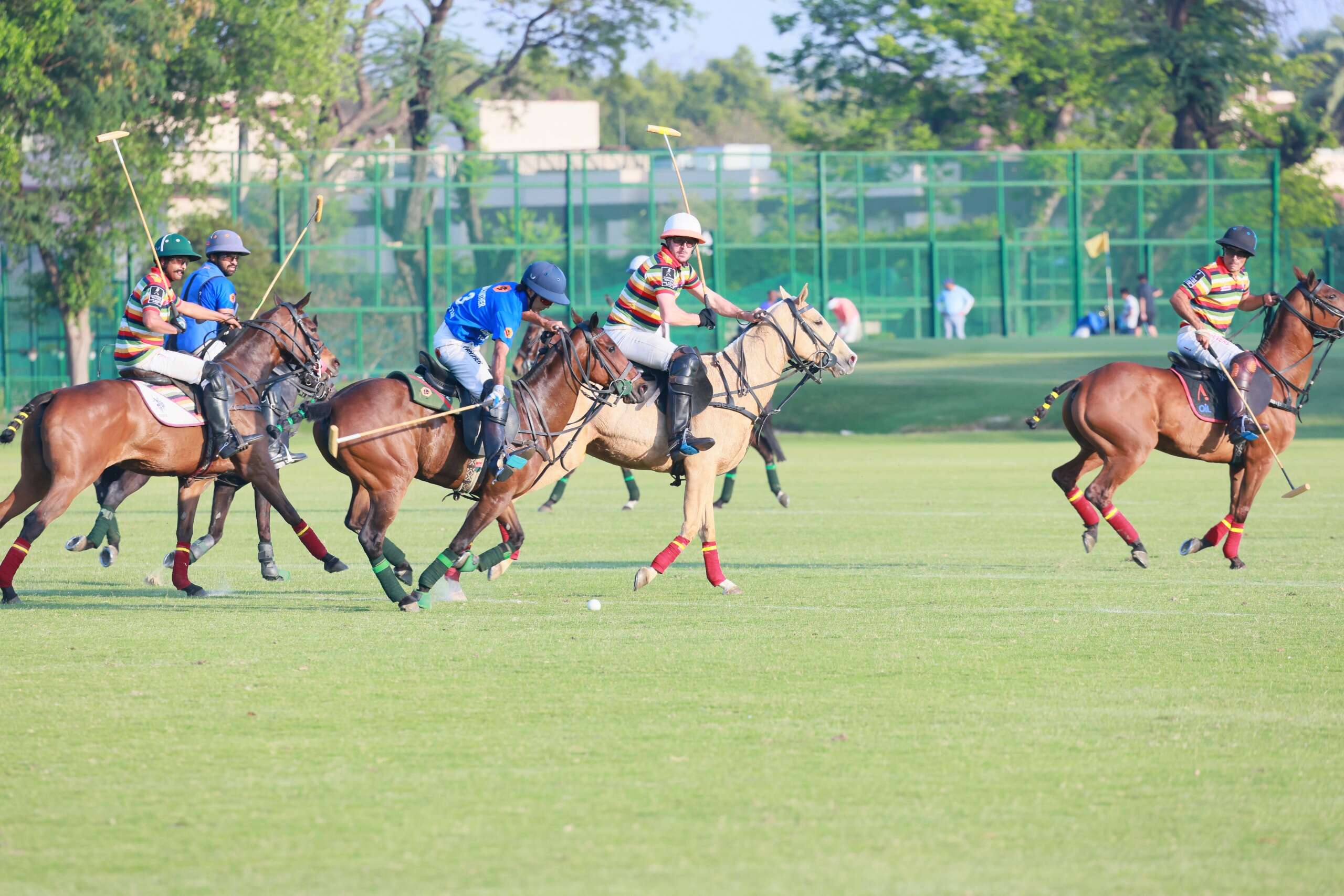
You are watching, but also being watched.
You are present, but also performing presence.
This, the bhadralok recognises. He has been performing presence since Presidency College, long before it became a LinkedIn skill.
And yet, beneath the observation, beneath the irony that comes so easily to him, there is also a small, unarticulated sadness.
Because fields disappear.
Not abruptly. Not violently. But through process notes and policy decisions and the steady, reasonable logic of repurposing. A ground becomes a file. A file becomes a decision. A decision becomes inevitability.
We do not destroy memory. We simply outgrow the space required to hold it.
By evening, the emails will return. The algorithms will resume their quiet surveillance. The group chats will demand acknowledgement in that tone of urgent triviality we have all come to accept as normal.
And somewhere, another notice will be drafted. Another space will be reconsidered. Another piece of inherited leisure will be asked, politely, to justify its existence.
But for now, on a Sunday afternoon, as the horses run and the mallets swing, there remains a brief and stubborn illusion.That some things in life are still allowed to be unnecessary and therefore, perfect.
P.S. The bhadralok, for the record, is not entirely fictional. Writing about him in the third person is a small act of self respect and a large act of self delusion.
Disclaimer
Views expressed above are the author’s own.
END OF ARTICLE