Vinay Kumar
In Bengal today, two weeks before elections, there are around 27L people who stand to lose the chance to vote in the assembly election, weeks away, not because they have been found ineligible. They may not get to vote because they are no longer part of the electorate. Bengalis and non-Bengalis. Hindus, Muslims, Christians. Mostly poor, some rich. They all, potentially, find themselves in a situation similar to Sunali Khatun’s – who was packed off to Bangladesh, and was returned because she was not from Bangladesh, but Indian.
For these 27L, proof of their Indian citizenship is in limbo, though they’re mostly documented. The only eligibility criterion for the right to vote is one has to be an Indian citizen. Of course, those behind bars, even undertrials, lose their right to vote. That, too, is a travesty, but a case for a longer campaign. But this lot of 27L can’t vote, because, between Election Commission and Supreme Court, the paperwork of verification wasn’t finished on time. Is that surprising? Not at all. It was waiting to happen.
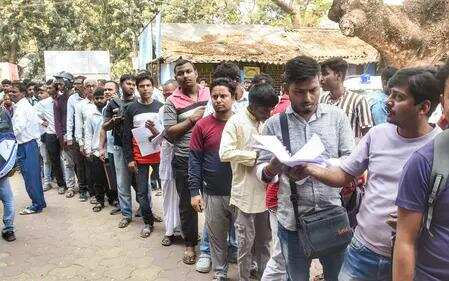

From the very start of SIR, timeframes have been a key concern. But the process, in and of itself, became a circus, and to be in the electorate, citizens turned into circus animals to jump through hoops, and magicians, who had to prove documents were genuine. The Supreme Court said trust in the Election Commission was low, and instead of putting off the process, stepped up to the task itself. Did it not, in the event, take on powers the Constitution vests in EC and EC alone? Another legal eddy, for another day.
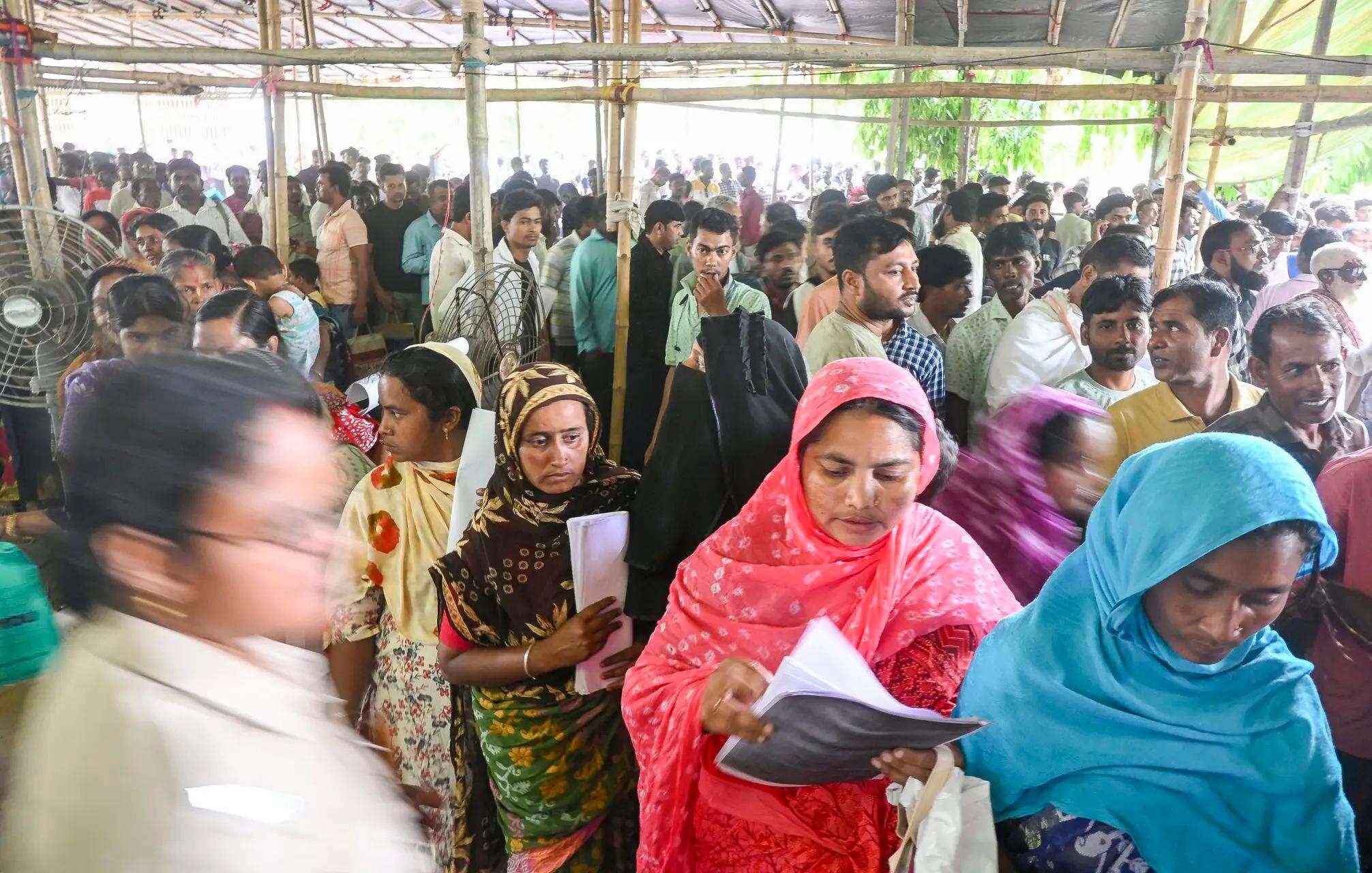

Now, at the stage of tribunals, question is, who is accountable for Bengal’s rolls being “pure”? Supreme Court, or Election Commission? How “pure” is the electoral roll for West Bengal’s assembly election when 27L people are, potentially wrongly, left out. And, what is to happen to those denied voting rights? Are they to be declared non-citizens? Such cases have included families from Nepal, forced to separate because documentation is not uniform – grandfather to grand-daughter.
State political parties, and state units of national parties, always ear to the ground, have, without exception, been anxious about SIR’s fallout. Their compact is with the people. If the people feel cheated, and betrayed, it is the very nature of India’s politics, where the price will be paid. In the form of apathy from the middle and upper classes, and from a turning away from the state, of those who are even more marginalised, because the state sat on their right to vote. As for EC, it seems to be hellbent on throwing away decades of work to ensure India, as the largest democracy, has a robust electorate, removing every faultline, and maximum participation.
Disclaimer
Views expressed above are the author’s own.
END OF ARTICLE