Vinay Kumar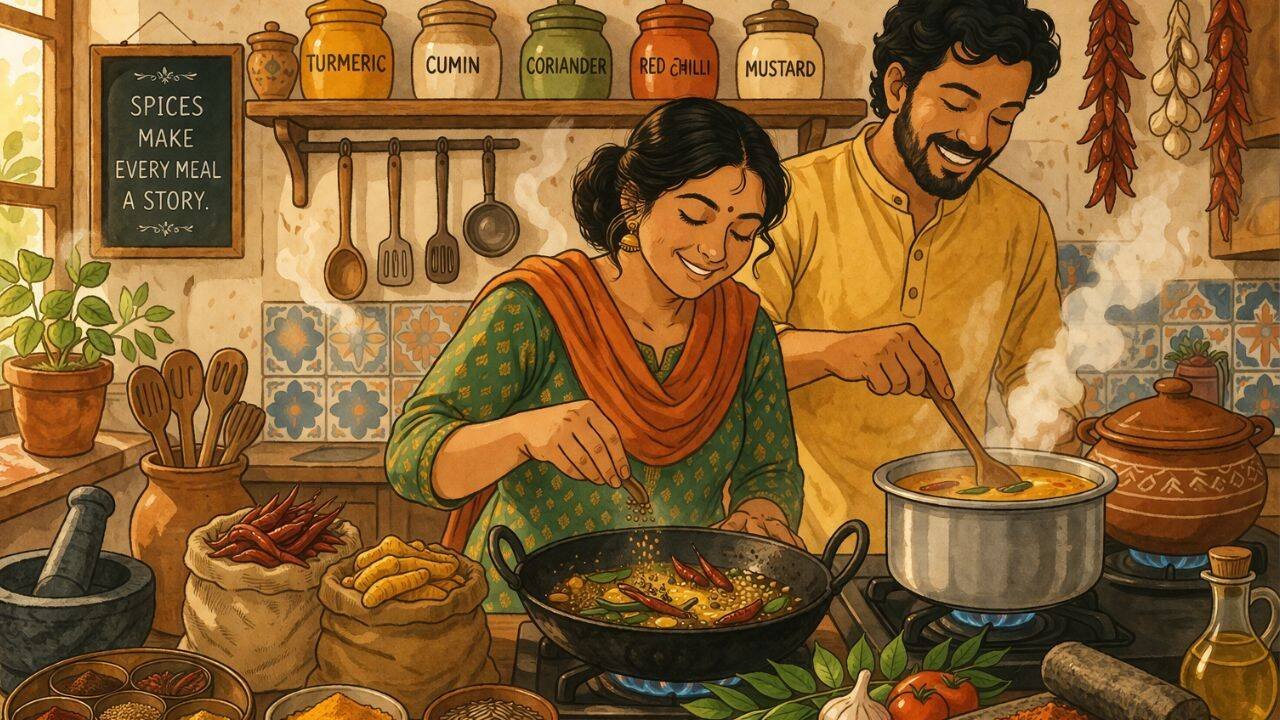
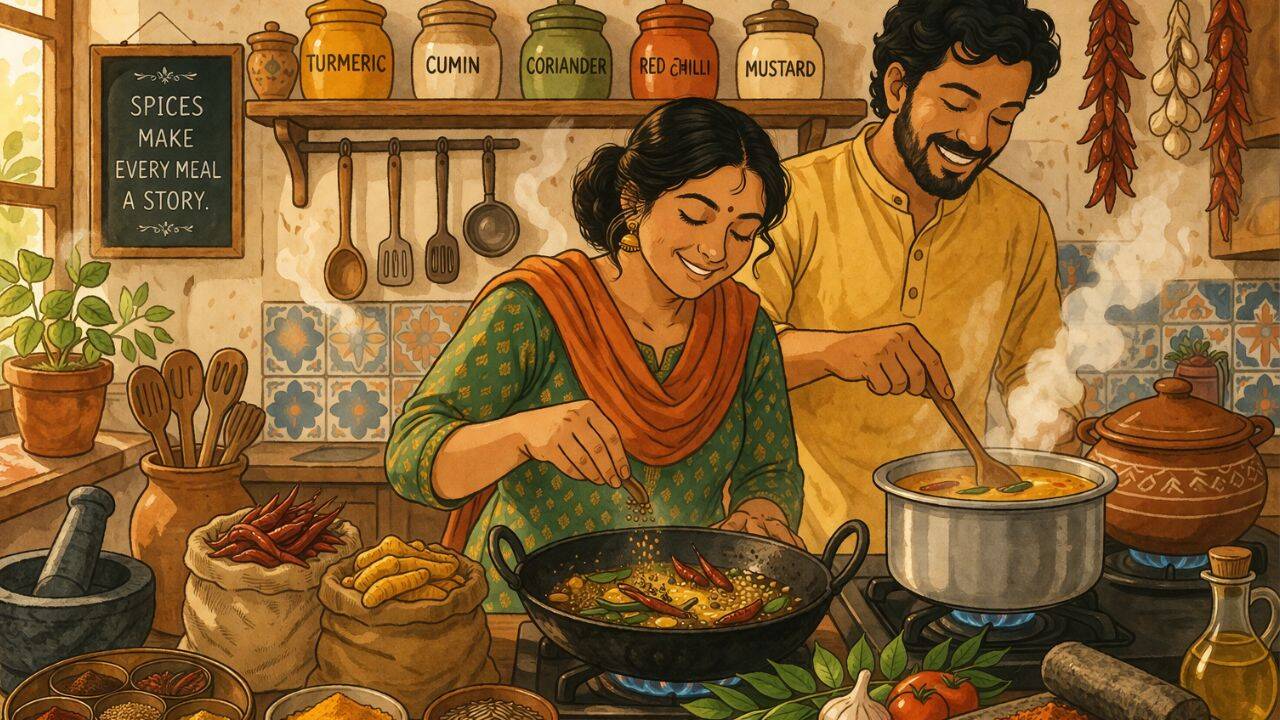

India’s culinary identity is inseparable from its vibrant spice blends—each one a story of region, climate, and tradition. From the nutty, fiery Podi Masala of the South to the tangy punch of Chaat Masala in street food, these mixes do far more than season—they define entire cuisines. In Bengal, the subtle yet aromatic Radhuni brings depth to everyday dishes, while Goda Masala is the soul of comforting Maharashtrian dishes. Meanwhile, the iconic Panch Phoron in Bihari cuisine, with its balanced mix of five seeds, exemplifies how simplicity can create extraordinary flavor.
These spice blends are not just about taste—they carry generations of wisdom. Traditionally, they were crafted not only to enhance flavor but also for their digestive, medicinal, and preservative benefits, making food both delicious and nourishing.
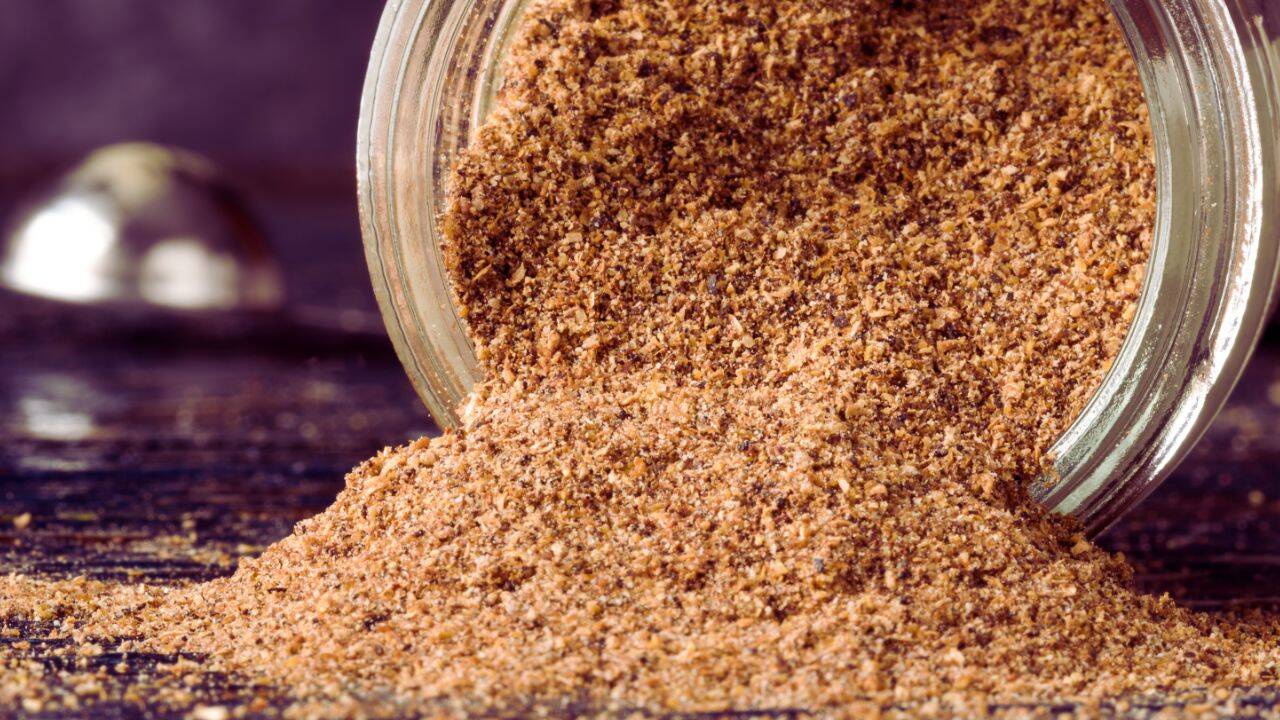
In this newsletter, we will explore the distinct tastes and profiles of these iconic blends, uncovering what makes each one unique. We’ll also dive into how they were traditionally used in cooking, why they became staples in regional kitchens, and the thoughtful benefits they were designed to offer. Together, they reveal how spice is not just an ingredient in India—it is the essence of its culinary soul.
Read more at: Chef Ranveer Brar’s Chaat Masala recipe is all we need in kitchen
Gunpowder, the soul of ghee-dripping-hot Idlis
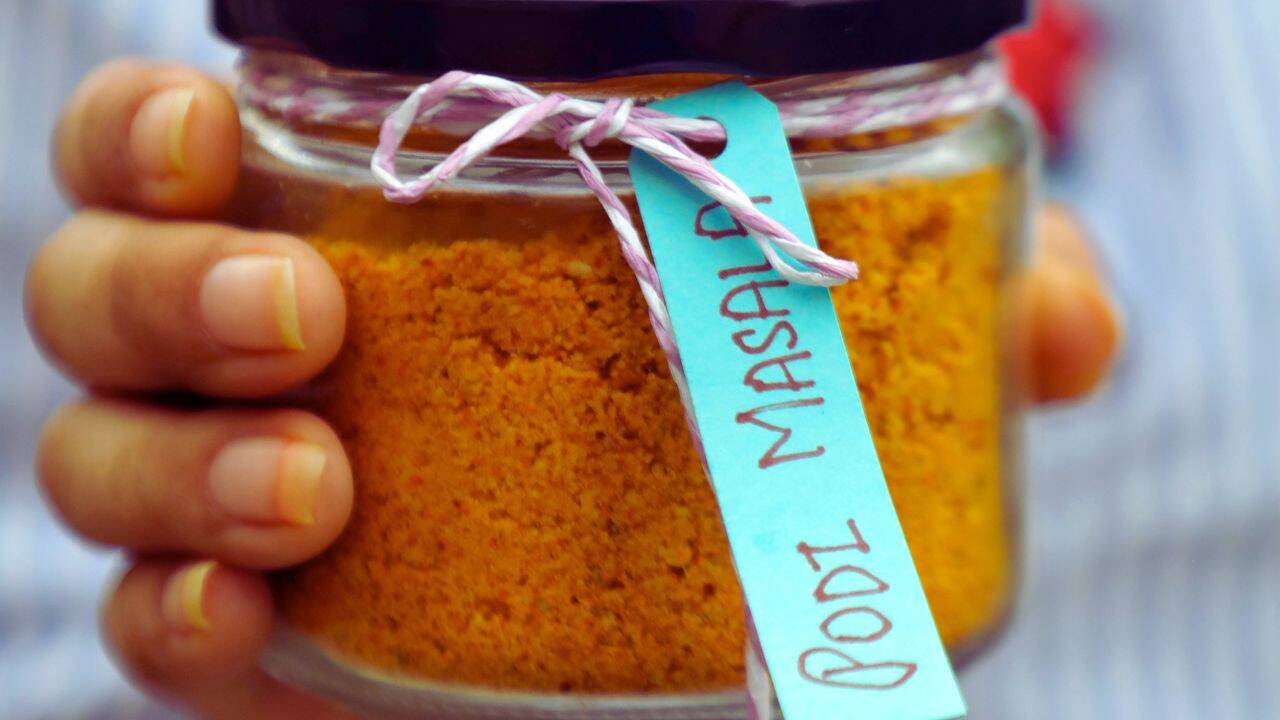
Podi Masala, often called “gunpowder,” adds a bold, fiery soul to South Indian cuisine. Made from roasted lentils, dried red chilies, garlic, and spices, it delivers a nutty, smoky heat that instantly elevates simple foods. Sprinkled over idli, dosa, or mixed with ghee and rice, it turns everyday meals into something deeply satisfying. Each region and home has its own variation, making it both personal and traditional. More than just a condiment, Podi Masala brings intensity, texture, and a comforting familiarity that defines the spirit of South Indian cooking.
Read full article: What is Murungain Podi Masala and how to make it at home?
Goda Masala, the red magic of Maharashtra
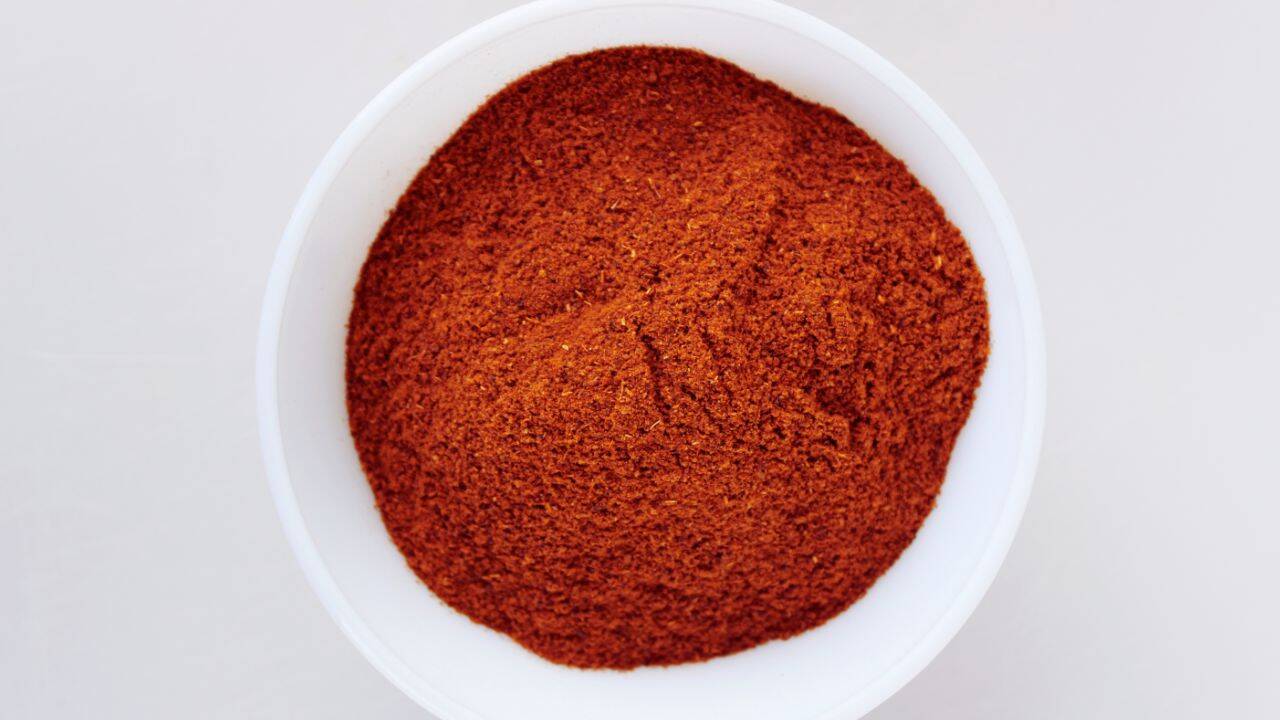
Goda Masala is the heart of Maharashtrian cuisine, bringing a warm, subtly sweet, and deeply aromatic character to everyday dishes. Made with roasted coconut, sesame seeds, and a blend of spices, it adds a rich, earthy depth without overwhelming heat. From varan and amti to vegetable bhajis, Goda Masala creates a comforting, homely flavor that defines the region’s food. Unlike sharper spice mixes, it builds a gentle complexity that lingers on the palate. More than just seasoning, it reflects tradition, adding soul, balance, and a signature identity to Maharashtrian cooking.
Read full article: What makes Goda masala so popular? How to make Goda masala at home ?
Panch Phoran: The 5-seed wonder of East India
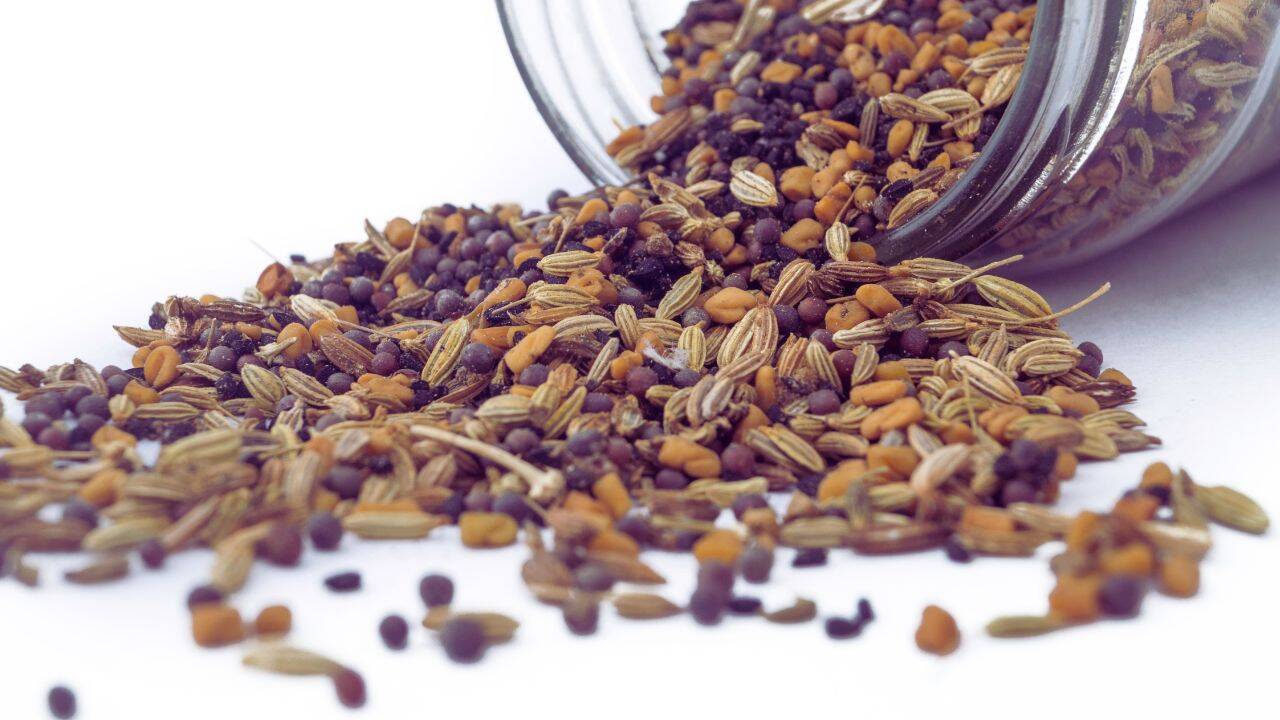
Panch Phoron brings a distinct soul to Bihari and Eastern Indian cooking with its signature mix of fennel, nigella, cumin, mustard, and fenugreek seeds. When tempered in hot oil, it releases a fragrant, slightly bitter-sweet aroma that defines many everyday dishes—from dals and vegetable stir-fries in Bihar to curries across Bengal and Odisha. Unlike complex masalas, Panch Phoron works in simplicity, letting each spice shine while creating a balanced depth. It’s not just a flavoring but a tradition, adding warmth, character, and a recognizable identity to Eastern Indian cuisine.
Read full article: 5 benefits of Panch Phoron you must know of as summer temperatures soar
Disclaimer
Views expressed above are the author’s own.
END OF ARTICLE