 Vinay Kumar
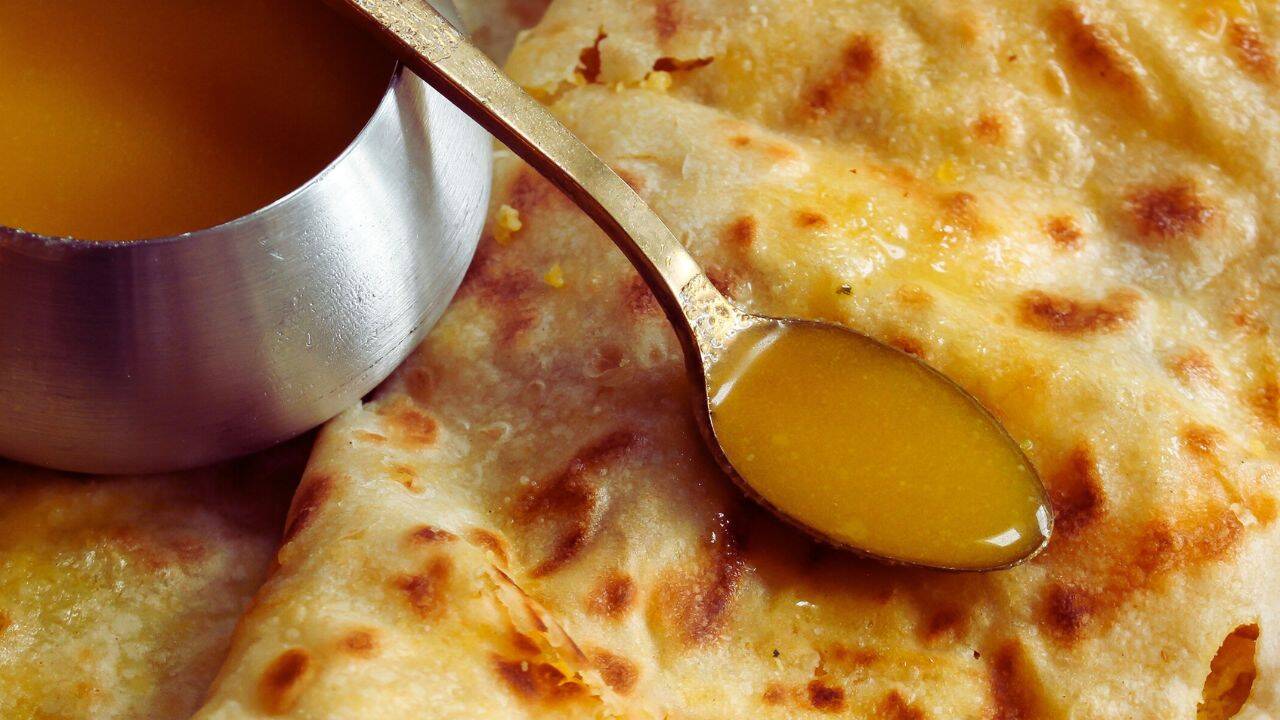

Indian breads are far more than accompaniments to a meal; they are a reflection of the country’s history, geography, and culinary imagination. From the soft, flame-kissed naan of the north to the wholesome rotis prepared daily in countless homes, each bread tells a story of tradition and community. Ingredients such as wheat, millet, rice, and maize reveal the diversity of regional agriculture, while cooking methods—from clay tandoors to iron griddles—showcase generations of skill and craftsmanship. Their significance lies not only in nourishment but also in culture. Bread is often the centerpiece of shared meals, used to scoop curries, wrap fillings, and bring families together around the table. It symbolizes warmth, hospitality, and the comfort of home. Every region offers its own treasures: flaky parathas layered with richness, crisp dosas with delicate tang, buttery kulchas bursting with flavor, and rustic bhakris with earthy depth.
The variety of Indian breads is matched only by their remarkable taste and texture. Some are pillowy and soft, others crisp and golden, some smoky from open flames, and others enriched with herbs, spices, or ghee. This extraordinary range makes Indian breads endlessly fascinating to explore and savor.
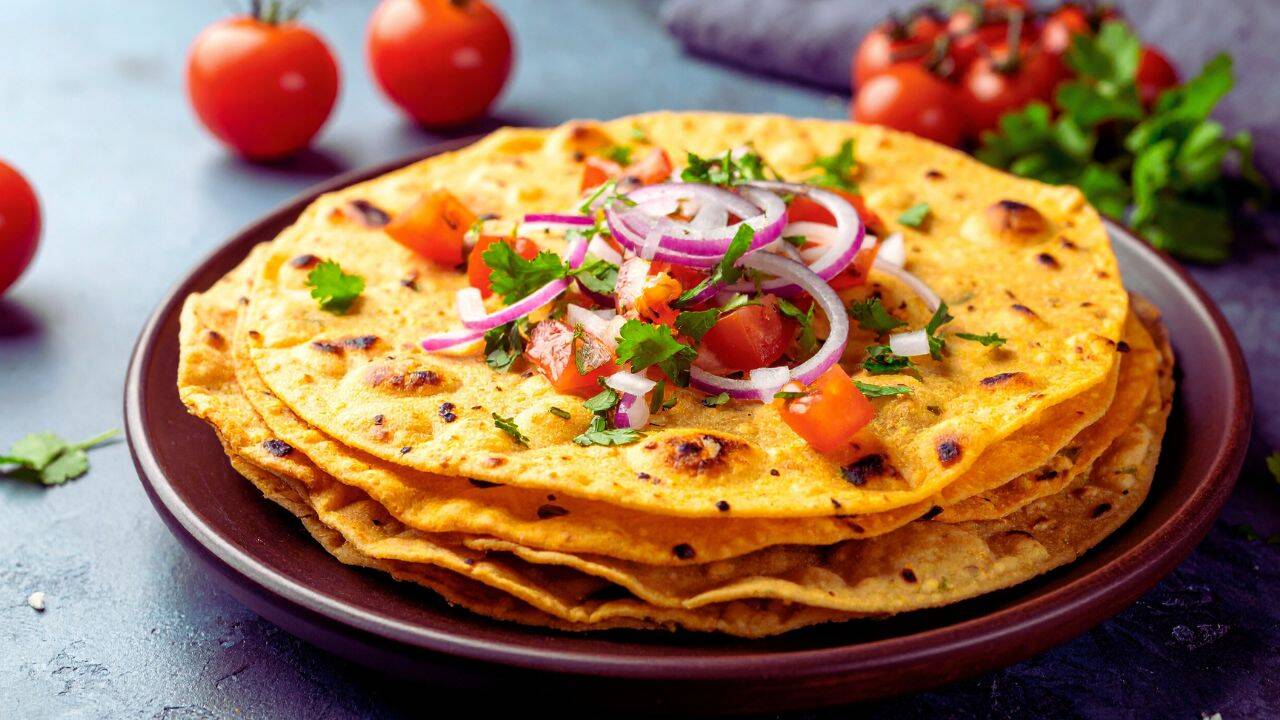
In this newsletter, we will discuss the many types of Indian breads, their origins, unique characteristics, and the cherished role they continue to play in kitchens and celebrations across the nation.
Read more at: 9 Indian breads beyond roti and naan you should know about
Poori, the soul of celebrations
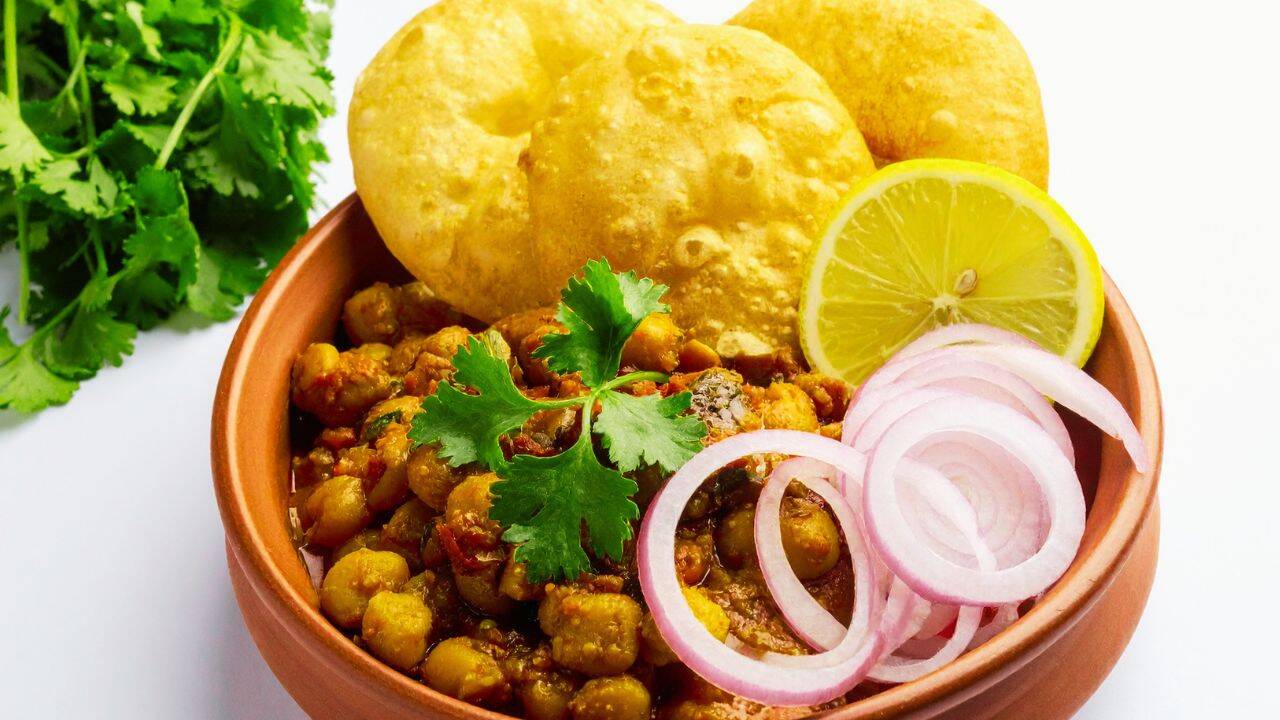
Pooris hold a cherished place among Indian breads, celebrated for their golden puffed form and delightful crispness. Made from simple wheat dough and deep-fried to perfection, they transform everyday ingredients into something festive and special. Pooris are closely associated with celebrations, family gatherings, religious offerings, and joyous occasions such as weddings and festivals. They are often served with flavorful curries, sweets, or potato dishes, creating meals that feel abundant and warm. Their presence on the table symbolizes hospitality, prosperity, and togetherness. More than just bread, pooris carry memories of laughter, tradition, and the comforting spirit of shared celebrations and joy.
Read full article: Exploring the many types of poori across India
From Sannas to Poi: Fluffy Goan breads
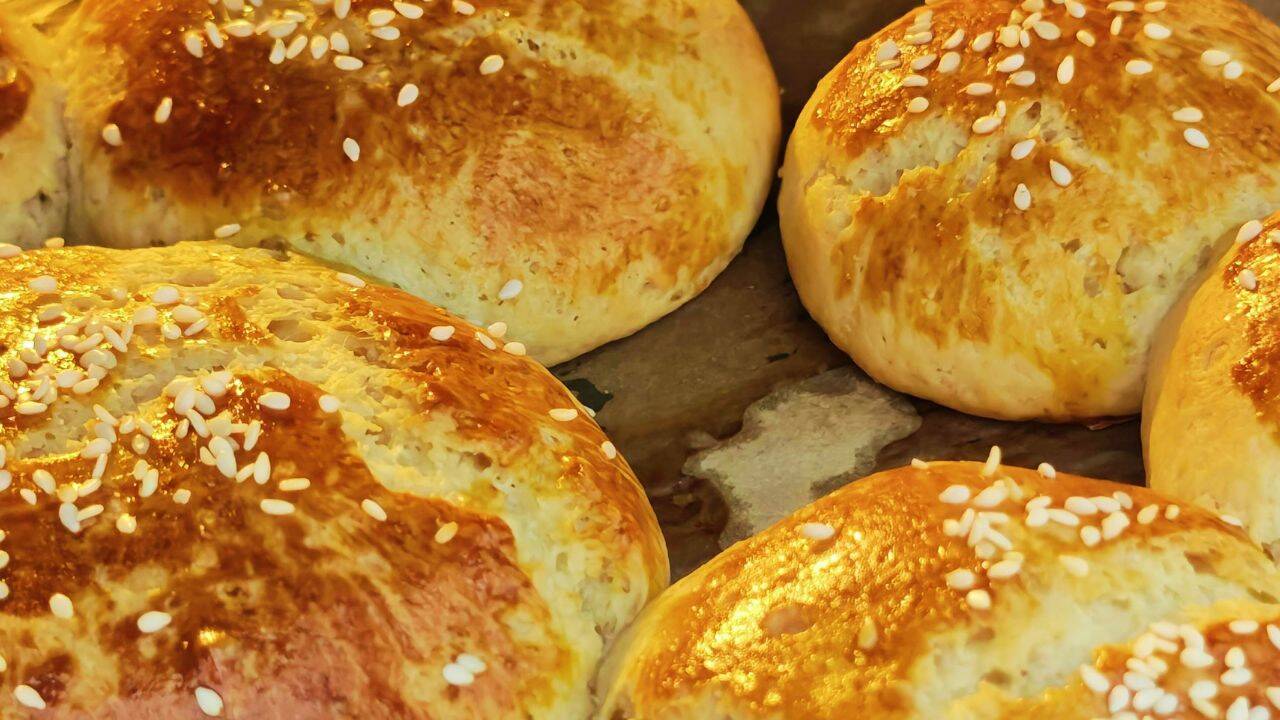
Goan breads are an essential part of the region’s culinary heritage, reflecting centuries of tradition and Portuguese influence. Among the most beloved is poi, a wholesome, slightly chewy bread with a crisp crust and airy center, enjoyed daily with curries, chutneys, or fillings. Pão and undo are other popular varieties, valued for their soft texture and comforting taste. Traditionally baked in wood-fired ovens by local bakers known as poder, these breads carry the aroma of craftsmanship and community. Goan breads are more than food; they symbolize local identity, shared mornings, and the enduring warmth of Goa’s rich culture.
Read full article: 6 simple Goan breads worth trying
Bakarkhani-a taste of nostalgia
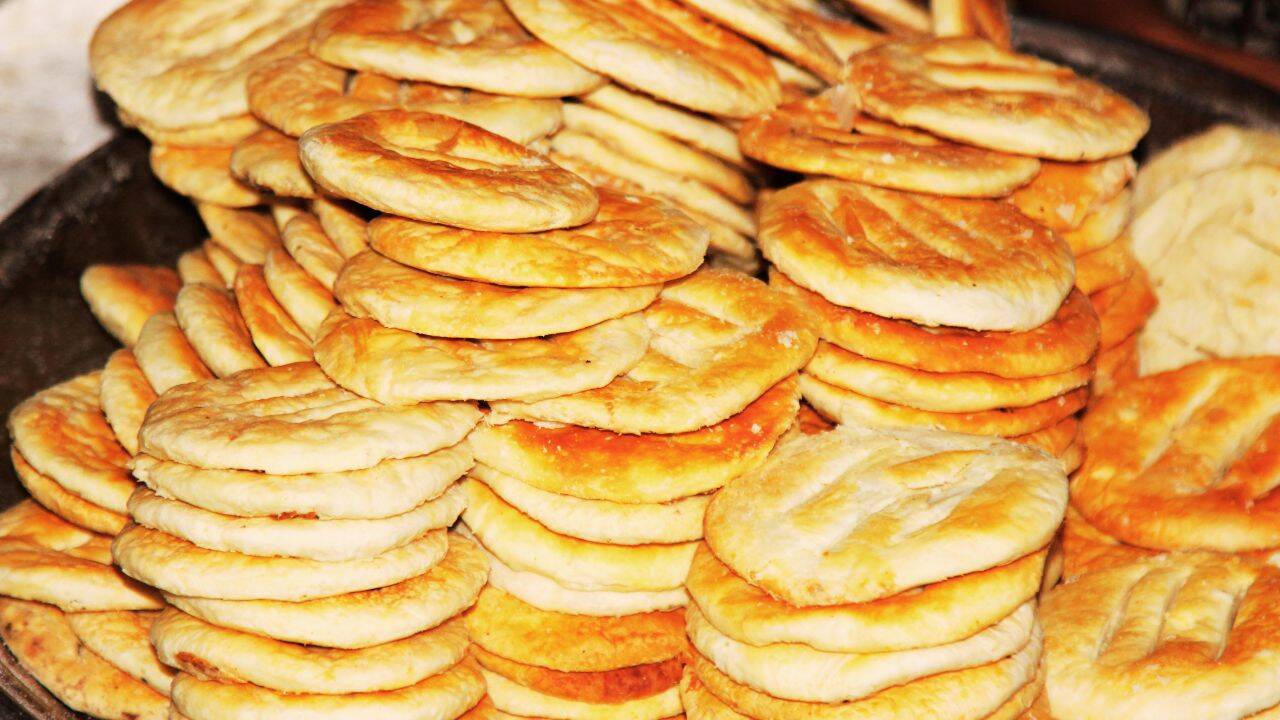
Bakarkhani bread is steeped in nostalgia, recalling the charm of traditional bakeries, festive mornings, and treasured family rituals. Famous for its rich, flaky layers and delicate sweetness, this iconic bread is often enjoyed with tea, kebabs, or warm milk. Its buttery aroma and crisp texture bring memories of bustling markets and the comfort of home. Once prepared with great skill and patience, Bakarkhani reflects a culinary heritage passed lovingly through generations. More than a bread, it is a symbol of celebration, craftsmanship, and shared moments. Each bite carries the taste of history and the enduring warmth of cherished traditions.
Read full article: Bakarkhani, only a sweet memory now
Disclaimer
Views expressed above are the author’s own.
END OF ARTICLE