 Vinay Kumar

“We are not rich by what we possess but by what we can do without.” – Immanuel KantIt’s funny how we usually define being “rich.” Most of us picture money, nice things, a comfortable life – basically, having more than enough. A better phone, a bigger house, maybe a few luxuries thrown in. That’s what we grow up believing.But this quote flips that idea on its head.What Kant is really saying is simple: it’s not about how much you have, it’s about how much you don’t need.Think about your own life for a second. How many things do you feel like you need to be happy? Maybe it’s a certain lifestyle, a certain job, someone’s approval, or even constant progress. The list can get pretty long without us even noticing.And the longer that list is, the more dependent we become.Because then, your mood, your peace of mind – it all depends on things outside of you. If one of those things doesn’t go your way, it throws everything off balance. That’s a tiring way to live.Now imagine the opposite.Imagine being someone who’s okay with less. Not settling, but just… not needing a hundred things to feel okay. You enjoy what you have, but you’re not constantly chasing the next upgrade.There’s a kind of ease in that. You’re not running all the time. You’re not stuck in that loop of “I’ll be happy when…”And honestly, that’s a different kind of richness.This doesn’t mean you give up everything and live with the bare minimum. That’s not the point. It’s more about your mindset -how attached you are to things.Let’s make it real.Picture two people. One earns a lot, has everything they could want, but is always anxious—worried about losing it, comparing themselves, wanting more. The other lives a simpler life, doesn’t have as much, but feels content and doesn’t stress over what they lack.Who seems more at peace?Probably the second one.Because when you don’t need much, life feels lighter. You’re not constantly chasing something or trying to prove anything. You’re just… okay.
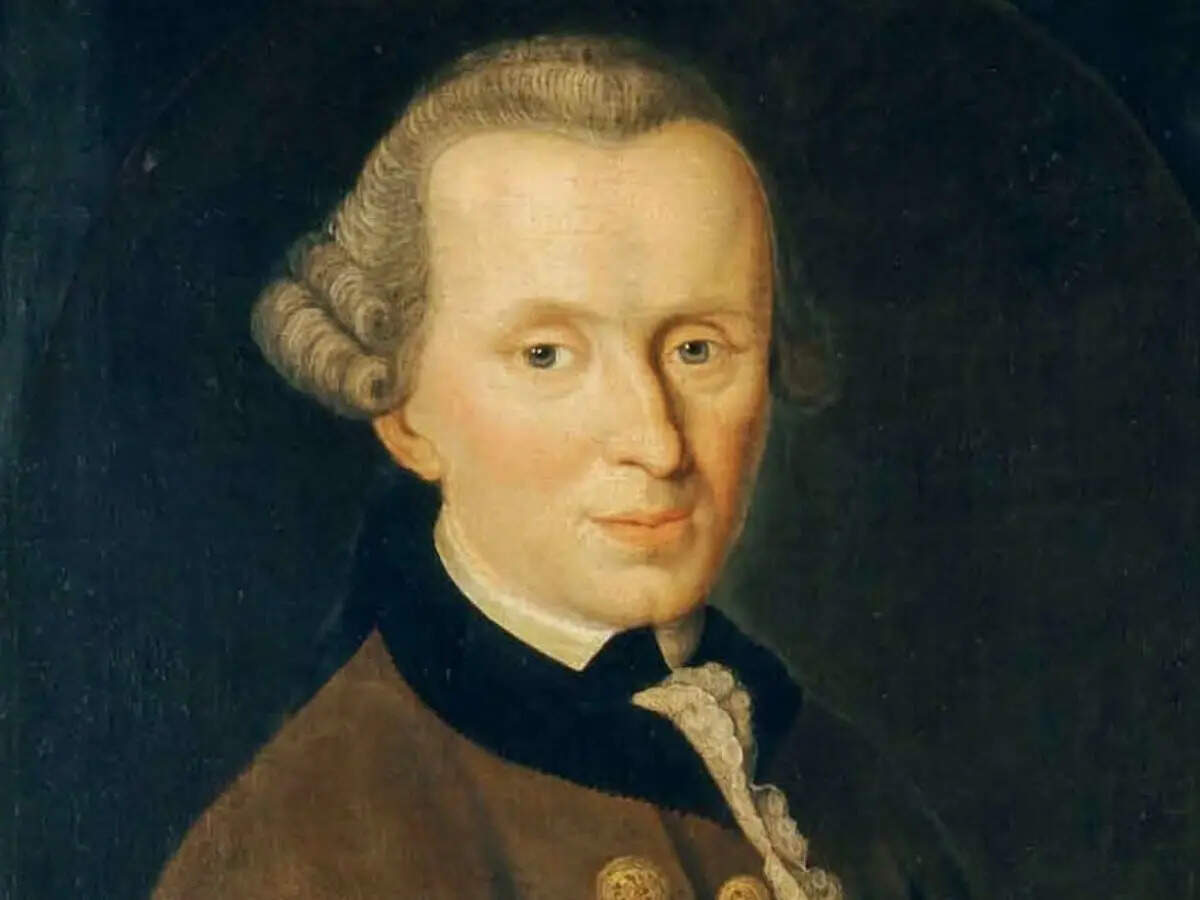
Quote of the Day by Immanuel Kant Gives A Straightforward Guide to Happiness
And if you think about it, a lot of what we “need” isn’t actually essential. It’s just stuff we’ve picked up along the way – expectations, habits, social pressure.It’s not just material things either. We get attached to people, outcomes, routines, even certain versions of how life should look. We hold on tightly because we feel like we can’t do without them.But can we?That’s the uncomfortable part of this quote. It makes you question things you usually don’t.There’s also something powerful about being okay without something. It doesn’t mean you don’t value it – it just means it doesn’t control you.Like enjoying someone’s presence but not feeling lost without them. Or liking nice things but not feeling incomplete if you don’t have them.That’s balance.And in a way, it gives you control. The less you depend on outside things, the more stable you feel inside. Your mood doesn’t swing as much. Your sense of self stays intact.That kind of steadiness is rare.Because let’s be real—the world constantly tells us we need more. Better job, better lifestyle, better everything. There’s always something missing, something to fix, something to upgrade.It never really stops.So choosing to say, “I’m good with what I have right now,” is actually a big deal. It goes against the grain.It doesn’t mean you stop growing or wanting better things. It just means your happiness isn’t completely tied to getting them.And that mindset? It’s peaceful.When you’re less attached to outcomes, you don’t fall apart every time things don’t work out. You still feel disappointed, sure—but it doesn’t shake you the same way. You adjust, you move on.That ability to stay grounded – that’s a kind of wealth too.Another way to think about it: the less you rely on things, the less power they have over you.If your identity isn’t tied to your job, losing it hurts – but it doesn’t define you. If your happiness isn’t tied to one person, losing them is painful – but you don’t lose yourself in the process.That strength? That’s real security.Kant’s idea also makes you rethink having “too much.” Because sometimes, more doesn’t simplify life—it complicates it. More choices, more pressure, more expectations.Meanwhile, having just enough can actually make things clearer.You start focusing on what truly matters – people who feel real, work that feels meaningful, moments that actually stay with you.You’re not distracted all the time by wanting more.And maybe that’s what this quote is gently pointing towards – a simpler, more aware way of living.Not extreme minimalism. Not cutting yourself off from things. Just being a little more conscious.Knowing the difference between what you truly need and what you’ve just been told you should want.Because once you figure that out, something shifts.You stop comparing as much. You stop chasing constantly. You stop tying your worth to things that don’t really define you.And you feel lighter. Calmer.That’s the kind of “rich” Kant was talking about. Not something flashy or visible – but something you feel on the inside.So the next time you catch yourself thinking, “I’ll be happy when I get this,” just pause for a moment.Ask yourself – do I really need it?Or is it just something I’ve convinced myself I can’t do without?Because sometimes, having less need… is actually having more.