Vinay Kumar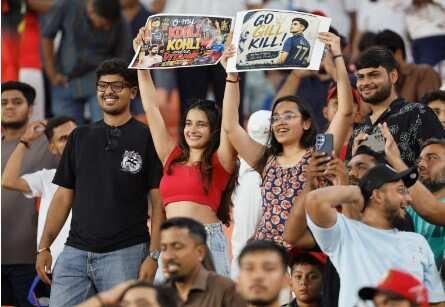
The Indian Premier League is already India’s greatest sporting success story. In less than two decades, it has transformed cricket from a sport into a high-voltage entertainment industry combining glamour, celebrity, commerce, fandom and athletic excellence in a way few sporting properties anywhere in the world have achieved. But today it stands at an important crossroads. Will IPL remain merely India’s biggest cricket tournament, or can it evolve into the world’s biggest sports league, comparable with the NFL, English Premier League, NBA and Formula 1? To achieve that ambition, it will need reinvention.
Game itself needs to be fixed
Let’s start with the most uncomfortable truth: too many IPL matches have ceased to be cricket contests. They have become batting exhibitions. Flat pitches, tiny boundaries, power-hitting depth and the Impact Player rule have tilted the game so heavily in favour of batsmen that bowlers have been reduced to expensive extras. When scores of 220 or 230 become routine, spectators stop being amazed. A six loses its meaning when it arrives every other delivery. The most thrilling T20 matches were rarely the highest-scoring ones. They were the tense, tactical encounters where bowlers matter, captains strategise, and every run feels precious. Cricket’s appeal lies in uncertainty. The fix begins with pitches. Curators must be encouraged, even directed, to prepare surfaces that offer something to everyone: some that assist pace, some that turn and some that reward batting skill. Variety of conditions creates variety of outcomes — the recipe for edge-of-the-seat drama which will keep fans coming back. The Impact Player rule also deserves urgent reconsideration. By allowing teams to effectively bat to number eight or nine, it has diluted the strategic value of wickets. A rule introduced for excitement has, paradoxically, made the game more predictable.

Stadium problem
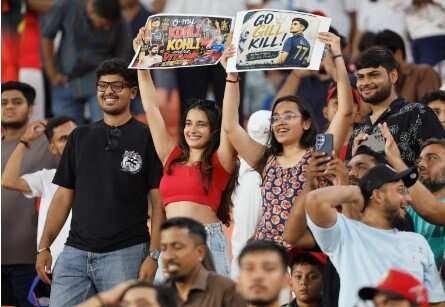
If the IPL aspires to stand alongside the world’s premier sporting events, attending a match must be a joyful evening, not an ordeal. But most stadiums still struggle with basics such as clean toilets, adequate parking, efficient entry systems, and food that a family would willingly pay for. Compounding this is the culture of complimentary passes for politicians, bureaucrats, police, associations and sundry VIPs. This fills the best seats with disengaged guests while genuine fans pay premium prices or stay away entirely. A serious audit is overdue.
Storytelling & stars
IPL’s early rise was powered by larger-than-life personalities. Dhoni’s calm. Kohli’s intensity. Gayle’s swagger. De Villiers’ genius. More than mere players, they were stories, emotions, and cultural events. Fans tuned in as much for the personalities as for the cricket. That generation of icons is fading, and the league has not done enough to build the next. Part of this is a storytelling problem. Most franchises use social media like corporate noticeboards, showing scorecards, birthday greetings, and generic match previews. Global sports brands build passionate communities through humour, documentaries, podcasts, behind-the-scenes access and emotional narratives. Every IPL team should aspire to be a cultural identity. Chennai Super Kings, Mumbai Indians and Royal Challengers Bengaluru have a loyal set of fans. Your city’s team should feel like your city’s heartbeat. Every franchise should aim for nothing less.
Rethinking the format
Scarcity creates excitement. When matches are played every evening for over two months, even passionate fans begin to treat the tournament as background noise. A tighter, sharper window, perhaps six weeks rather than nine, could make every game feel genuinely consequential. Also, move the IPL to the winter. Cool Dec and Jan evenings instead of the punishing heat of April and May will improve both player performance and spectator comfort. Tourism aligned with the IPL could flourish as winter is already peak season for international visitors to India. A winter window would also sidestep exam season, removing one of the biggest reasons younger fans disengage mid-tournament. Yes, this requires complex coordination with international cricket calendars. But the IPL is now powerful enough to demand that conversation.
Broadcast & fantasy frontier
The GenZ viewer is simultaneously watching highlights, tracking fantasy points, following a player cam and reading tactical breakdowns, all on a phone. Proof of this is the staggering 800% increase in connected viewing in the last five years. IPL’s broadcast product must evolve to meet the needs of younger audiences who consume sport differently. Mic’d-up captains during strategic time-outs. Player access during innings breaks. Immersive multi-feed viewing options. Fantasy gaming platforms have already demonstrated the power of emotional investment. Millions now watch matches involving neutral teams because they have skin in the game. This ecosystem, integrated responsibly within India’s evolving gaming regulations, is an asset the IPL should leverage far more deliberately.
Larger ambition
The world’s greatest sporting properties are built on mythology. Wimbledon has tradition. The Super Bowl has spectacle. Formula 1 has glamour. FIFA World Cup has emotion. IPL has scale, talent and commercial valuation. What it now needs is timelessness — rivalries that become folklore, moments that transcend cricket, franchises that become institutions. The league was built on disruption. It will only reach its full potential through a willingness to disrupt itself.
Disclaimer
Views expressed above are the author’s own.
END OF ARTICLE