Vinay Kumar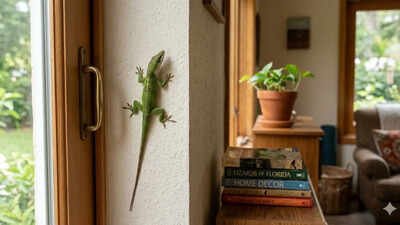
Pest control is an essential part of construction because it helps protect buildings from damage caused by termites, rodents, and other harmful pests. And keeping its importance in mind, modern builders in cities have started taking extra care and assure necessary pest control measures are executed even before the foundation of the apartments and buildings are laid. It is reported that pre-construction anti-termite treatments help create a protective barrier around the building foundation. These treatments include soil treatment, where chemicals are sprayed into the ground before laying the foundation, and wood treatment, where wooden materials are coated with anti-termite solutions and more. And once the building/apartment is ready, different pest controls are executed to keep ants, lizards and other insects away. Rishabh Periwal, Sr Vice President, Pioneer Urban Land and Infrastructure Ltd. says, “Modern high-rises in Gurgaon are no longer just about vertical luxury; they incorporate preventative engineering designed to handle the city’s unique landscape. By integrating structural defenses right at the construction phase—using deep concrete barriers, steel-mesh utility sleeves, and sharp gravel perimeters—we create a natural deterrent that effectively designs pests out before the first brick is laid.“However, warm walls, damp corners, and open balcony doors create easy shelter, especially in the evenings for insects and lizards to gather around the lights. While chemical sprays are commonly used, many apartment residents prefer less aggressive methods indoors, especially in smaller living spaces where smells and residue remain trapped for hours. Here are a few natural and effective remedies for lizard-free apartments/homes this summer.
8 natural remedies for lizard-free apartments this summer
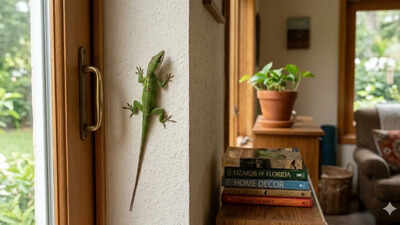
During summer, apartments often become easy hiding spots for lizards because heat, moisture, food crumbs and insects attract them indoors. Many residents prefer simple home remedies over strong chemical sprays, especially in compact apartments when strong odours, fumes and chemical residue can linger for long hours.
1. Garlic and onion near entry points
Strong-smelling kitchen ingredients are commonly placed near windowsills, sink areas and balcony doors where lizards tend to enter apartments. Crushed garlic cloves or sliced onion release a sharp odour that appears to discourage them from lingering too long around enclosed spaces.The smell fades fairly quickly in summer heat, so people usually replace the pieces every day or two. It works better in quieter corners rather than open, ventilated rooms where air circulation weakens the scent.
2. Pepper spray around hidden corners.
A mild pepper-based spray is often used along wall edges, storage shelves and behind appliances. The sharpness irritates sensitive reptiles without permanently harming them, which is why many apartment residents rely on it as a temporary deterrent rather than a long-term fix.The mixture is usually kept light because concentrated sprays can stain painted walls or irritate people indoors. Areas close to children, pets or food preparation spaces are generally avoided.
3. Coffee and tobacco mixtures
Small pellets made from coffee powder mixed with tobacco are another commonly repeated remedy in apartments dealing with frequent lizard activity. These are usually placed near drain pipes, utility cupboards or behind rarely moved furniture.People tend to use this method carefully indoors because loose tobacco can become messy in compact apartment spaces. It is also kept away from pets. The idea behind it is largely connected to the strong smell rather than any instant effect.
4. Eggshells are placed near walls.
Empty eggshell halves are sometimes left near shelves, windows or kitchen corners where lizards regularly appear. Some people believe the shells create the impression of another animal already occupying the area, making reptiles less comfortable staying nearby.Whether the reaction comes from appearance or smell is unclear, though the method remains common because it requires little effort. In apartments with humid kitchens, the shells need replacing before they begin attracting odour themselves.
5. Keeping apartments dry and less attractive to insects
Moisture matters more than many residents realise. Leaking taps, wet mops left indoors, and damp sink cabinets create conditions that attract insects first, followed by lizards feeding on them. Reducing insect activity often changes the problem noticeably.This is why apartment maintenance becomes part of the process. Dry bathroom floors, sealed food containers and regular cleaning behind appliances remove many of the conditions that allow reptiles to settle quietly indoors over time.
6. Cold water in hiding spots
Some apartment residents use cold water to flush lizards out of narrow hiding places behind cupboards or washing machines. The sudden temperature shift disturbs them enough to make them move away from enclosed corners temporarily.It is usually done carefully in apartments where electrical wiring or wooden furniture may be nearby. Excess water indoors can create separate maintenance problems if used carelessly.
7. Sealing small openings around apartments
Tiny gaps around exhaust fans, drain outlets, and sliding windows often become unnoticed access points. In older apartment buildings, especially, cracks near pipes or broken mesh screens allow insects and reptiles to move indoors easily during warmer months.Simple sealing work tends to reduce repeated sightings more effectively than relying only on repellents. Even small adjustments, such as repairing loose window linings or covering ventilation gaps, can make apartments less inviting during peak summer heat.
8. Naphthalene balls in limited spaces
Some residents place naphthalene balls inside storage cabinets or less-used corners because of their strong smell. The odour can discourage lizards from remaining in enclosed apartment spaces for long periods.They are generally kept away from kitchens, pets and open living areas due to the intensity of the fumes. In compact apartments, especially, excessive use can make indoor air uncomfortable quite quickly.