 Vinay Kumar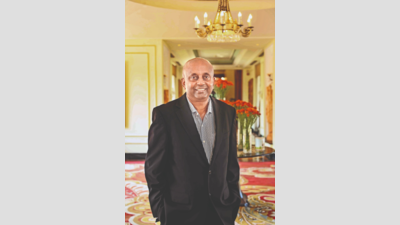
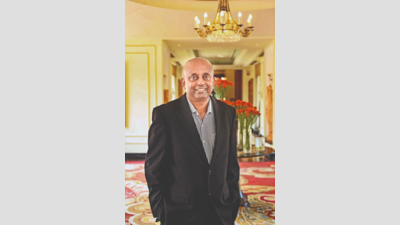
A chemical engineer from IIT Delhi, Vinod Daniel turned to preventive conservation and management of museums while in the US. An elected board member of the International Council of Museums, Daniel has worked in museums in 50 countries and is on the advisory board of major museums in India including the Govt Museum in Chennai. “One of my first projects was to prevent Egyptian mummies from degrading rapidly by reducing the amount of oxygen in the case, the technology of which was used later in India in preserving mummies in the state museum in Hyderabad,” says Daniel in an interview. Excerpts:What is preventive conservation in museums?Any object exposed to light, whether a textile or painting, will eventually fade. Museums therefore try to limit light exposure as much as possible. Anything organic is also vulnerable to pests, so steps need to be taken to prevent insect attacks. And in the event of disasters such as cyclones or flooding, museums need systems in place to rescue and protect objects while minimising damage.Which objects are hardest to preserve?Traditional art used mediums and paints with an intention to preserve it for a long time. But modern art is more difficult to preserve. In addition to that, the humid climate in Chennai is one of the most difficult to preserve objects.You have worked with repatriation of collections to India right from the 1990s. Many western museums are doing due diligence on their Indian collections, especially with regard to their provenance. When a gallery or an antique dealer has not provided the right information on the history of the object, most museums, upon doing their own due diligence, return objects of doubtful provenance to India.You have worked with museums across the world. How do the museums in Tamil Nadu fare?Indian museums have some of the best objects in the world. The Chennai and Tanjore Museums have the best collection of Chola bronzes in the world, which would make a spectacular exhibit. There are renowned Ravi Varma paintings as well here. There is a lot of energy going into museums in India now. What they might have to do is audience engagement and make sure these collections last a long time, not as a six-month project, but as a 10-year one.How do you tell the story of these collections in a way the audience gets engaged? Western museums are fantastic at doing that. They make the museum’s audience friendly and interactive with a cafe; where people can spend a day with their children, like in an amusement park. Even the kind of exhibitions that they come up with are attractive to the younger age group.Museums also need to be at home to diverse voices; marginalized communities need to have some say in it. I’ve been to countries in the Pacific where museums are custodians of the intangible heritage of the country. The community feels like it’s a place they can go and celebrate in, where their voices are heard and their stories are kept. This is their home, and their history.Museums in India are so much into technology but the story behind the objects needs to take prominence. The technology just needs to be an enabler to tell the story.The west also has a concept of smaller museums.Yes, except for a few major museums, all the rest are smaller, some run by the govt, many by private groups or individuals. For example, the sugar industry might have a sugar museum.Even large public museums are rarely fully govt-funded. They raise revenue through ticket sales, cafés and venue hires. In India, govt controls can make this more difficult, but I can see the number of private museums growing.Museums there also have a strong online presence. People can bring their collections to the museum, discuss them with like-minded enthusiasts and attend lectures and events.There is also the concept of a ‘museum in a box’, where replicas, stories and games are packed into a kit that can be used in schools for quizzes, activities and lessons, bringing the museum experience directly to children.Museums are usually neutral, unbiased and trusted places. They have the power to unite people in a divided world.