Vinay Kumar
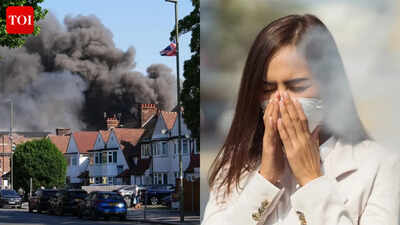
A massive fire broke out Monday evening at a recycling center in Bermondsey, southeast London, filling the sky with huge plumes of black smoke and sending shockwaves across the city.Per the BBC, about 100 firefighters and 15 engines worked overnight to bring the flames under control, but the impact was felt right away: emergency alerts sounded, trains were suspended, and neighbors were told to keep their windows and doors shut as the smoke drifted from street to street.Photos and videos of the smoke blanketing London hit social media almost instantly, and people miles away reported how they could see it on the horizon. So, what’s happening? And more importantly, what should you do if you’re breathing this smoke in?
London fire : What actually happened in Bermondsey?
The fire reportedly started at a recycling plant on Landmann Way in Bermondsey, part of Southwark. The first calls for help came in a little after 5:30 pm. Firefighters raced in from stations across the area — Deptford, Old Kent Road, Greenwich, and more.Officials say a big pile of rubbish at the recycling site caught fire, and the flames spread to a nearby warehouse unit as well. This wasn’t a small job, so crews used two massive ladders and brought in a special hose unit to keep the water flowing. Station Commander Wayne Bloomfield said the teams were pushing hard to get it under control and warned that loose embers from the blaze could drift out and cause small fires nearby. That’s pretty common with big industrial fires like this, especially if the wind picks up.
Why was the smoke so worrisome?
The most obvious concern? That thick, dark cloud overhead. Officials told people across south London to stay inside, close the windows, and keep away from the area. The smoke was bad enough to need these precautions. Fires at recycling plants often burn all sorts of mixed-up waste, which means you never quite know what chemicals or particles are being released. Smoke like this typically includes tiny particulates, carbon monoxide, and other irritants. So, it’s bad news for the eyes, lungs, and throat.Although health agencies didn’t announce any major public health emergency right away, the advice stayed simple: limit your exposure as much as possible until everything’s under control.
What if you’ve breathed in too much smoke?
For most people, inhaling some smoke from an outdoor fire causes only short-term discomfort. Still, it’s advisable to avoid any more exposure.In case you’ve been exposed to that thick smoke, make sure to get yourself into fresh, clean air as quickly as you can. If the air outside still smells smoky, seal yourself indoors, windows and doors shut tight. Drink lots of water, as this helps keep your throat and airways comfortable. A warm shower can help wash off any smoke residue, and you should change clothes to get rid of particles that might cling to fabric.Some people swear by breathing in steam from a hot shower to soothe irritated airways, but don’t rely on this as a cure. Your body already works hard to clear these particles pretty quickly. Your lungs clear out mucus, and your liver and kidneys do the rest. Stay hydrated, get some sleep, and don’t add to the problem by smoking or hanging around other pollutants.But in case you start noticing trouble, like persistent cough, chest discomfort, trouble breathing, dizziness, or confusion — get medical help right away. People with asthma, chronic lung problems, heart issues, or who are older, pregnant, or very young, should be extra careful.
Were there any injuries?
So far, reports haven’t mentioned any serious injuries linked to the fire. Firefighters and police were on the scene for hours, and officials will start investigating what caused the fire once it’s safe to do so.
Travel chaos across London
The fire’s location, which is close to major rail infrastructure, meant big headaches for commuters. Trains were delayed, rerouted, or just cancelled. Thameslink trains between London Bridge and Dartford ground to a halt, Southeastern lines saw big hold-ups, and even the London Overground was hit. Rail companies said fires this close to the tracks threaten everything from the signals to the overhead wires, so they were playing it safe.
What’s next?
As firefighters douse the last hotspots and keep an eye on the site, investigators will try to figure out what sparked the whole thing. Fires at recycling centers aren’t that rare, as piles of waste can overheat, or someone might toss something hazardous into the wrong bin.Right now, though, the main focus is keeping everyone safe, getting the trains running smoothly again, and stopping any more smoke or fire from spreading.