Vinay Kumar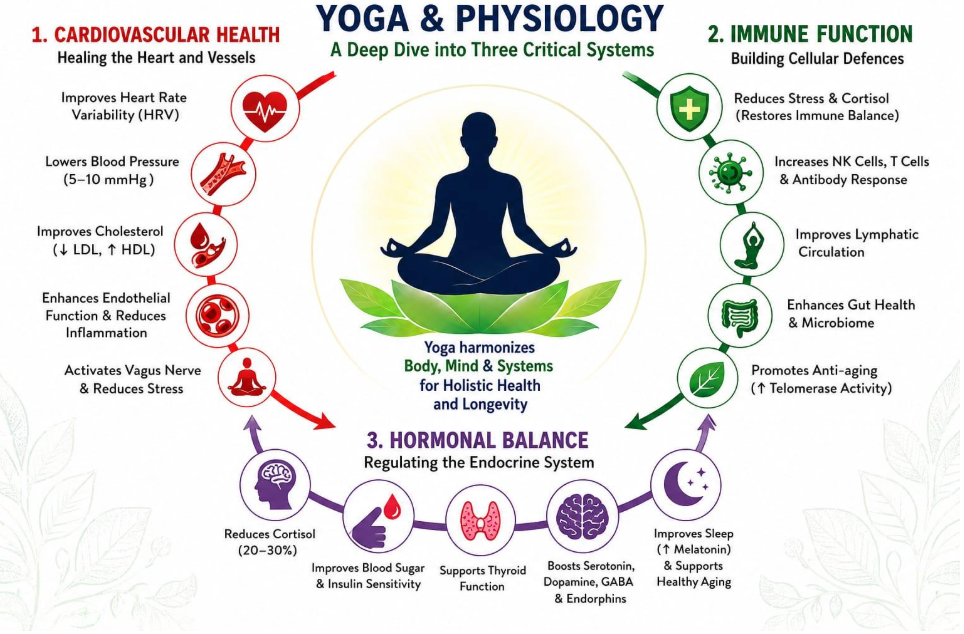
Yoga is often perceived merely as a system of physical exercises and stretching. However, modern scientific research reveals that yoga is a powerful physiological intervention capable of influencing multiple body systems simultaneously. Through a combination of asanas, pranayama, meditation, and relaxation techniques, yoga positively impacts cardiovascular health, immunity, hormonal balance, and overall longevity.
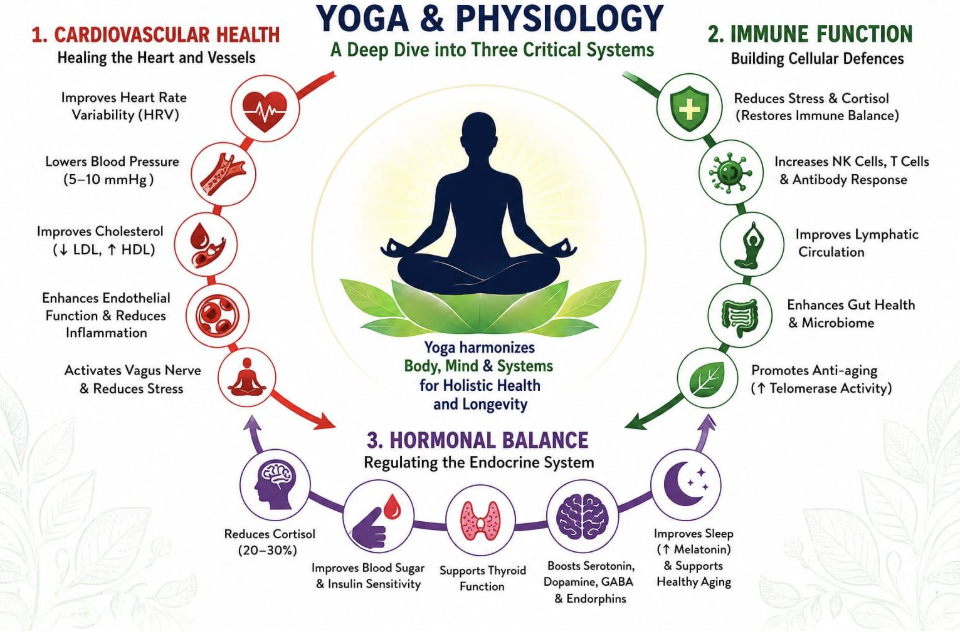

One of yoga’s most significant benefits is its effect on the cardiovascular system. The human heart is regulated by the autonomic nervous system, consisting of the sympathetic (“fight or flight”) and parasympathetic (“rest and digest”) branches. Slow breathing practices and meditation stimulate the vagus nerve, enhancing parasympathetic activity and increasing Heart Rate Variability (HRV), an important indicator of cardiovascular resilience. Regular yoga practice helps reduce stress-induced cortisol levels, promotes blood vessel relaxation through Nitric Oxide release, and can lower blood pressure by 5–10 mmHg, improving overall heart health. It also improves cholesterol profiles by reducing LDL, increasing HDL, and decreasing inflammatory markers such as C-reactive protein.
Yoga also plays a crucial role in strengthening the immune system. Chronic stress suppresses immunity by elevating cortisol, which weakens Natural Killer (NK) cells, T-cells, and antibody production. Yoga interrupts this stress response and restores immune balance. Deep breathing, inversions, twisting postures, and Surya Namaskar stimulate lymphatic circulation, enabling efficient transport of immune cells throughout the body. Research indicates that yoga enhances NK cell activity, increases beneficial immune markers, and reduces inflammatory cytokines. Since nearly 70% of the immune system resides in the gut, yoga further supports immunity by improving digestion, gut motility, and microbiome health. Studies also suggest that yoga and meditation may increase telomerase activity, slowing biological aging and supporting long-term immune function.
Another important dimension of yoga is its influence on the endocrine or hormonal system. Chronic stress often leads to elevated cortisol levels, resulting in insulin resistance, weight gain, thyroid dysfunction, and metabolic disorders. Yoga helps reduce cortisol by 20–30%, thereby improving blood sugar regulation and enhancing insulin sensitivity. Regular practice can significantly improve HbA1c levels in individuals with diabetes. Specific postures such as Sarvangasana, Halasana, and Matsyasana stimulate the thyroid gland and support metabolic health. Yoga also promotes the production of beneficial hormones including serotonin, dopamine, oxytocin, endorphins, and GABA, which enhance mood, emotional stability, motivation, and mental well-being. Furthermore, Yoga Nidra and restorative practices improve sleep quality by increasing melatonin production and supporting healthy aging through enhanced Growth Hormone and DHEA secretion.
The true strength of yoga lies in its integrated action on the body. By activating the parasympathetic nervous system, stimulating lymphatic circulation, improving endothelial function, balancing hormones, and supporting cellular regeneration, yoga creates a cascade of physiological benefits. It is not merely a fitness practice but a scientifically validated pathway toward holistic health, resilience, healthy aging, and enhanced quality of life. Regular yoga practice empowers individuals to achieve harmony between body, mind, and spirit while promoting long-term wellness.
Disclaimer
Views expressed above are the author’s own.