Vinay Kumar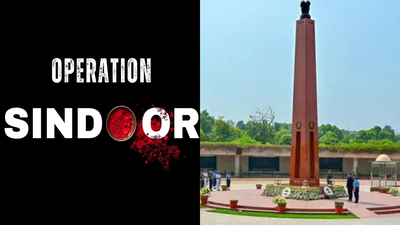
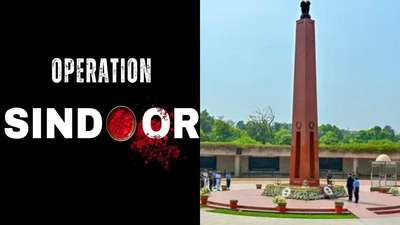
NEW DELHI: The identities of six Indian armed forces personnel who laid down their lives during Operation Sindoor, India’s military response to the Pahalgam terror attack in May last year, have been made public for the first time.The six fallen soldiers will also be honoured permanently at the National War Memorial in New Delhi, where their names will be engraved on the granite bricks of the memorial’s Tyag Chakra (Circle of Sacrifice), ensuring that their supreme sacrifice remains etched in the nation’s memory.The martyrs include five personnel from the Indian Army and one from the Indian Air Force.They are Subedar Major Pawan Kumar, Rifleman Sunil Kumar, Lance Naik Dinesh Kumar, Agniveer Murali Naik, Havildar Sunil Kumar Singh and Indian Air Force Sergeant Surendra Kumar.
Two martyrs received gallantry honours
Among the six, Rifleman Sunil Kumar was posthumously awarded the Vir Chakra, while Sergeant Surendra Kumar received the Vayu Sena Medal posthumously for their bravery.The names of these six personnel have been released alongside the list of all soldiers who made the supreme sacrifice during various military operations in 2025.The National War Memorial’s Tyag Chakra consists of 16 circular granite walls bearing the names, ranks and units of every soldier who has laid down their life for the nation since Independence.The six Operation Sindoor martyrs will now become a permanent part of this memorial.Operation Sindoor was launched on May 7, 2025, after the Pahalgam terror attack. Indian armed forces carried out precision strikes on nine terror launchpads in Pakistan and Pakistan-occupied Jammu and Kashmir (PoK), targeting infrastructure linked to Lashkar-e-Taiba, Jaish-e-Mohammed and Hizbul Mujahideen.The operation eliminated more than 100 terrorists.Pakistan responded with drone attacks and shelling, triggering a four-day military confrontation.India subsequently targeted radar installations in Lahore and facilities near Gujranwala before both sides agreed to a ceasefire on May 10, following talks between the Directors General of Military Operations.On the first anniversary of the operation last month, Prime Minister Narendra Modi described Operation Sindoor as a reflection of “India’s firm response against terrorism and an unwavering commitment to safeguarding national security.”He said the armed forces displayed “unparalleled courage, precision and resolve” while responding to those responsible for the Pahalgam attack.