Vinay Kumar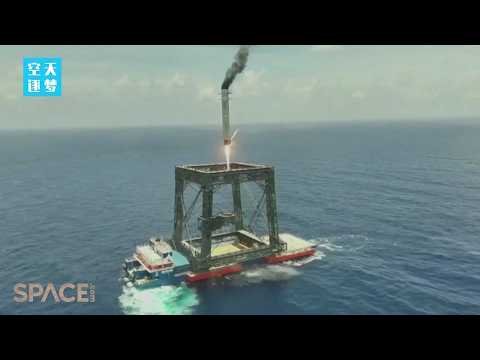
Reusable rockets have changed economics of satellite launches. For Isro, they’re a necessity & an opportunity
Isro set a record in 2017 by launching 104 satellites on a PSLV rocket. Four years later, SpaceX carried 143 satellites on a Falcon 9. That is one way to make satellite launches economical. The other, harder, way is to make rockets themselves reusable. Because a rocket’s first-stage booster is its costliest part, bringing it down safely, and using it again and again, knocks off the biggest chunk of the launch bill. That is SpaceX’s specialty, which has made it undisputed king of the satellite launch market. On average, SpaceX sends a rocket to space every other day.
Of course, others want in on the business, so Blue Origin is developing its New Glenn rocket, and others are close behind. The latest is China, which demonstrated the reusability of its Long March 10B rocket on Friday. Japan followed with a much smaller but also successful demonstration a day later. Europe’s ArianeGroup, is also accelerating development of its Themis reusable vehicle, while Russia has plans to get its own reusable rocket ready by 2028. The reason is simple. Some 70,000 low Earth orbit satellites may be launched by 2030, of which 53,000 could be from China alone, per Goldman Sachs. Which explains the Chinese urgency to nail reusable boosters.
But other countries also want a slice of the $18bn market, growing at 10% per year. And there are new satellite-assisted applications for which dependence on a foreign firm could be disadvantageous. For example, autonomous vehicles. That’s why Honda tested its own reusable rocket in June last year. It succeeded. Who’s missing in this race? India. Not long ago, Isro was known for its economical launch services, but no amount of low-cost innovation can compete with a reusable rocket, which is essentially a taxi to space. India’s share in the satellite launch market has slipped below 2%, and as TOI reported on Saturday, its plans to make a Next Generation Launch Vehicle, or NGLV, have not entered the final design and testing stage. Considering that SpaceX took 15 years to perfect its reusable rocket tech, India has no time to lose now.

https://www.bbc.com/news/articles/cm2rmmx86pdo
https://www.theverge.com/transportation/832364/honda-reusable-rocket-space-exploration
Disclaimer
Views expressed above are the author’s own.