 Vinay Kumar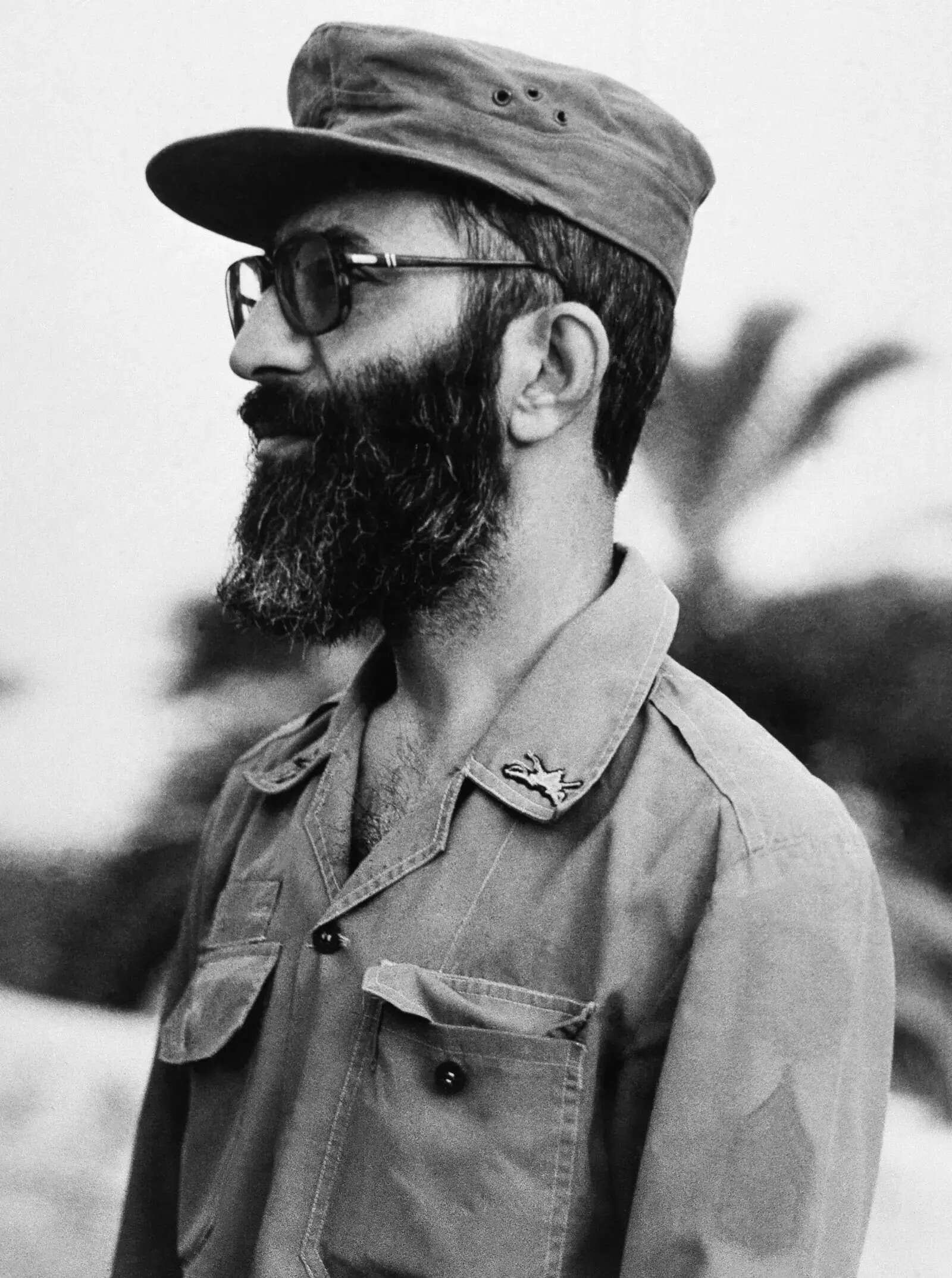
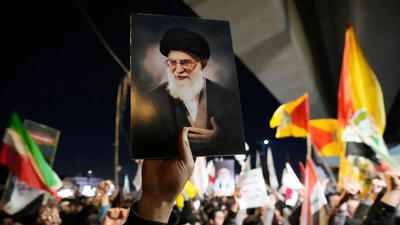
On 16 January 1979, the Shah fled Iran, leaving behind a collapsing monarchy and a revolutionary tide that would reshape the Middle East. From that upheaval emerged a new political order, an Islamic Republic built on the doctrine of clerical rule. Nearly half a century later, the system created in revolution has been shaken by another upheaval, one that ended with the death of the man who embodied it for more than three decades.Ayatollah Ali Khamenei, Iran’s second Supreme Leader, rose from the ranks of revolutionary clerics to become the most powerful figure in the Islamic Republic. He survived assassination attempts, war, sanctions and repeated waves of protest. He outlasted presidents at home and adversaries abroad. In the end, however, it was war with the United States and Israel, the very confrontation that had defined much of his rule, that brought it to a close.
His death, confirmed by Iranian state media after extensive US and Israeli air strikes on Tehran, closes a chapter that began with the overthrow of a monarch and concludes with the violent unravelling of a revolutionary state. Born in resistance, the Islamic Republic was shaped by struggle. Under Khamenei, it hardened into a system that tolerated neither dissent nor compromise.
From Mashhad seminarian to supreme authority
Born in 1939 in the holy city of Mashhad, Ali Khamenei was the second of eight children in a modest clerical family. He later recalled periods of hardship when the family subsisted on little more than bread and raisins. As a teenager in the early 1960s, he was radicalised by opposition to the Shah’s reform programme.He studied in Qom under Ayatollah Khomeini and joined the clerical movement against the monarchy. Imprisoned repeatedly by the Shah’s security services, he endured torture and isolation. The experience left a lasting mark, reinforcing a worldview shaped by anti-colonialism, hostility to western influence and a conviction that Islam could serve as an ideological weapon.
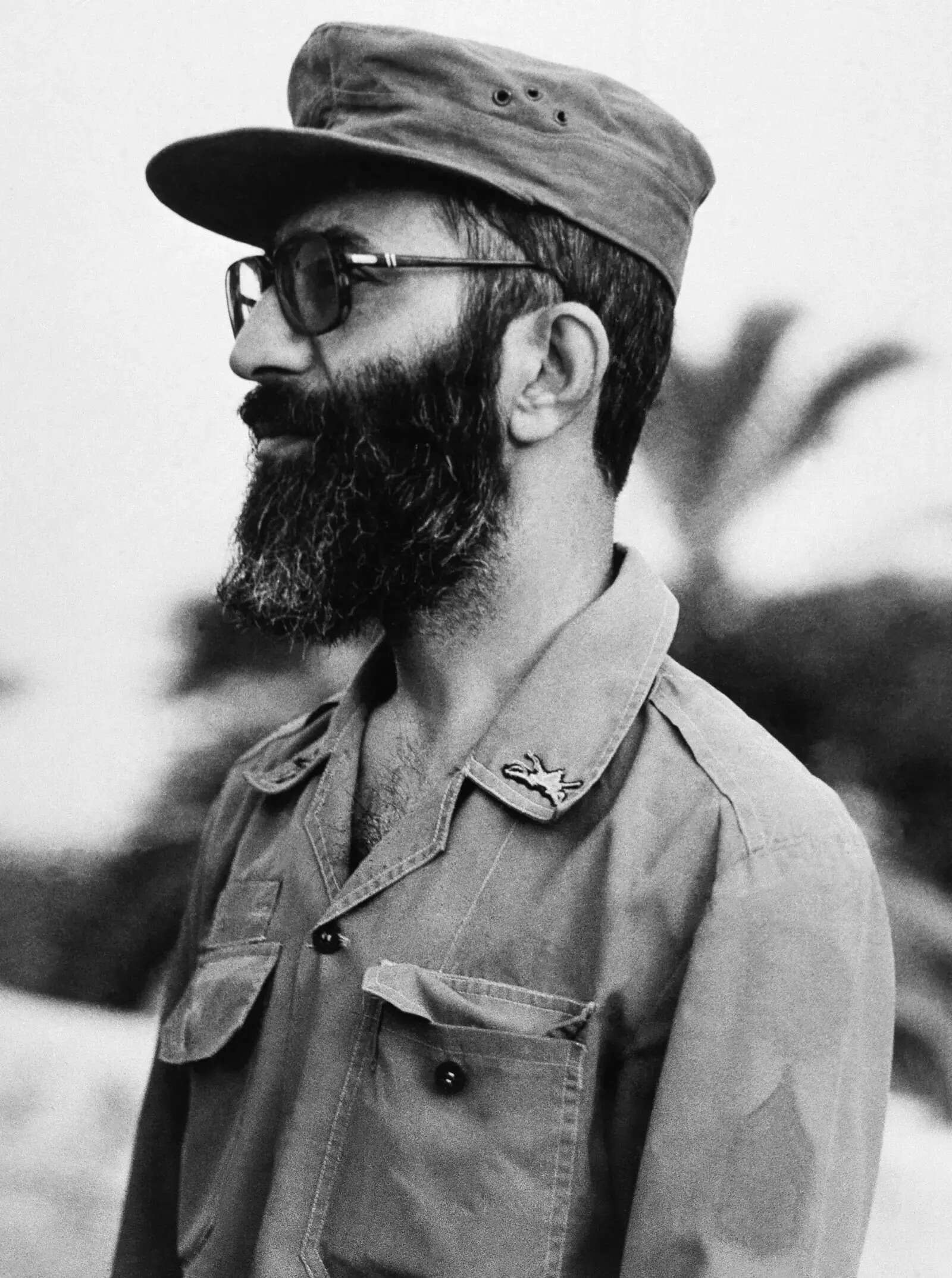
Khamenei stands in a military uniform in October 1981 (Photo credit: AP)
Khamenei was also an avid reader. He admired Persian poetry and western literature alike, describing Victor Hugo’s Les Misérables as “miraculous”. Yet his political imagination was deeply influenced by Islamist thinkers such as Sayyid Qutb and by the concept of gharbzadegi – “westoxification”.After the revolution, he rose swiftly. He served as deputy defence minister during the Iran–Iraq war, forging close ties with the IRGC. In 1981 he survived a bomb attack that paralysed his right arm. He later remarked that he did not need the hand, “so long as my brain and tongue work”.He served two terms as president before Khomeini’s death in 1989. Though lacking the senior clerical rank traditionally associated with the role, he was elevated to supreme leader after constitutional changes expanded the office’s powers.
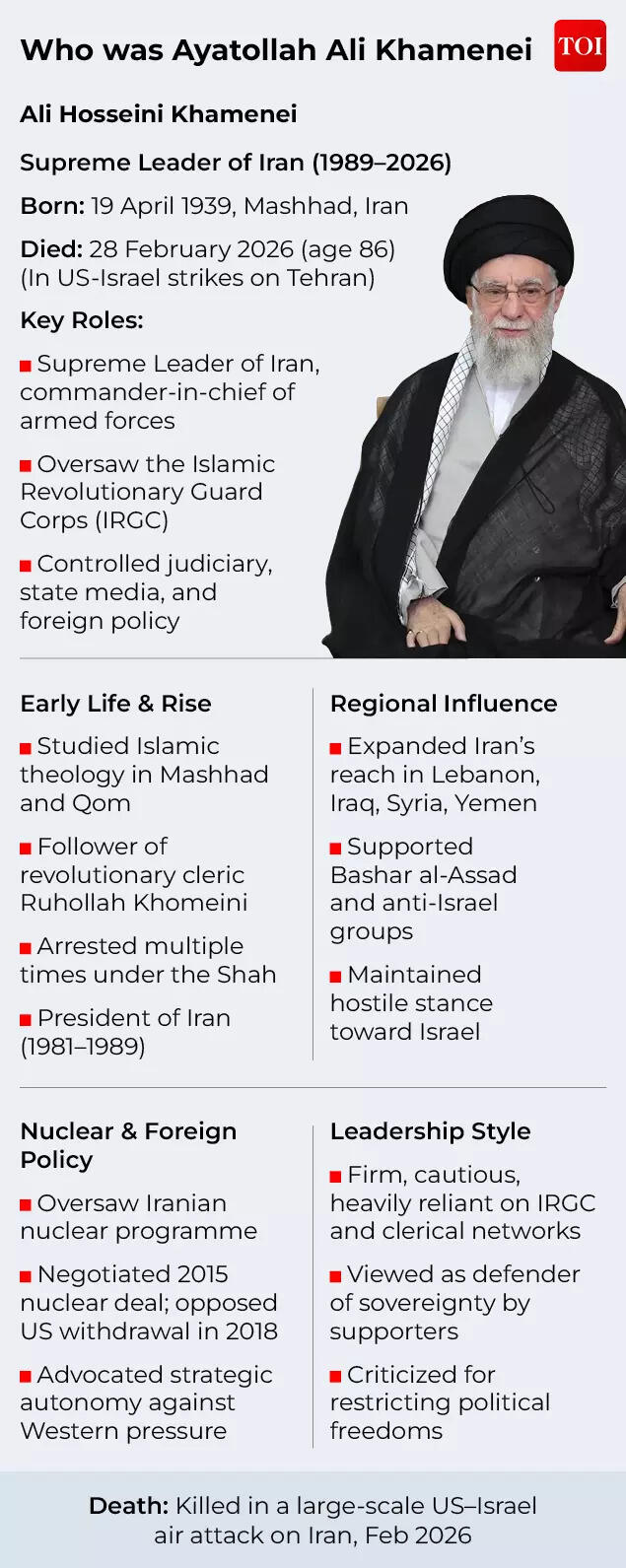
Initially dismissed as weak, he consolidated control through the security apparatus. The IRGC and the Basij militia became the backbone of his authority. Over time, he embedded loyalists across the judiciary, parliament and state institutions. Karim Sadjadpour of the Carnegie Endowment later described his ascent as an “accident of history” that transformed a weak president into one of the most powerful Iranians of the past century.
Building a security state
Central to Khamenei’s power was the Islamic Revolutionary Guard Corps (IRGC). He expanded it into Iran’s dominant military and economic force, granting it oversight of the ballistic missile programme and vast commercial interests. In return, it became his most reliable instrument of control.The Basij militia and intelligence services were repeatedly deployed to crush dissent. Student protests in 1999 were put down. The 2009 “Green Movement”, which erupted after a disputed presidential election, was suppressed with arrests and force. Economic protests in 2017 and 2019 met similar fates.
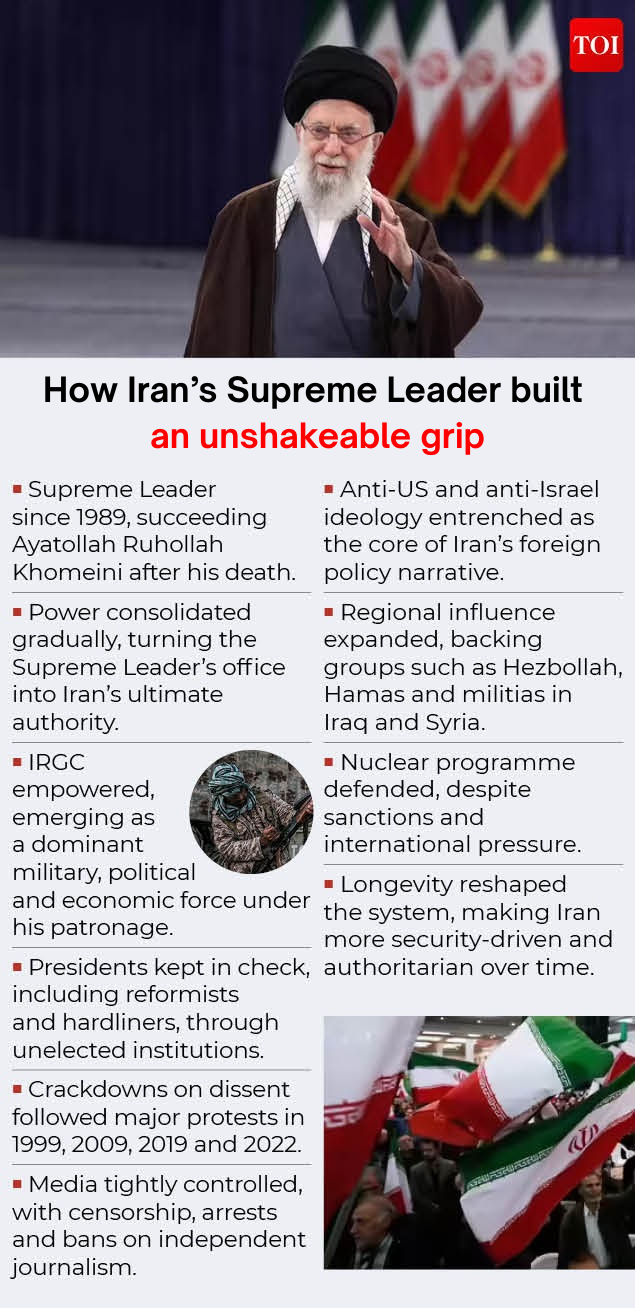
The most profound domestic rupture came in 2022 after the death in custody of Mahsa Amini, detained for allegedly breaching Iran’s strict dress code. Demonstrations led by women and young people spread nationwide. Hundreds were killed, thousands arrested. Khamenei framed the unrest as foreign-instigated sedition and refused concessions on compulsory hijab or political reform.His final and bloodiest crackdown followed a currency collapse that drove the rial to record lows. When protesters again chanted “Death to the dictator”, he declared that “rioters must be put in their place”. Security forces opened fire. Activists reported thousands killed. It was a show of force that revealed both the regime’s resilience and its fear.
Confrontation with the West and regional ambition
If repression defined Khamenei’s domestic rule, confrontation marked his foreign policy. He consistently cast the United States as Iran’s principal adversary, accusing it of seeking regime change. The 1979–81 US embassy hostage crisis, supported by revolutionary leaders including Khamenei, cemented decades of hostility.Under his watch, Iran pursued an expansive regional strategy. Through allies and proxies – from Hezbollah in Lebanon to Hamas in Gaza and the Houthis in Yemen – Tehran projected influence while avoiding direct war. Khamenei viewed Israel as illegitimate and supported armed resistance as both ideological duty and strategic leverage.Iran’s nuclear programme became the central flashpoint. The 2015 Joint Comprehensive Plan of Action (JCPOA) offered sanctions relief in exchange for limits on enrichment. Khamenei endorsed it cautiously, describing tactical compromise as “heroic flexibility”. When the United States withdrew in 2018 and reimposed sanctions, Iran gradually breached the deal’s limits.
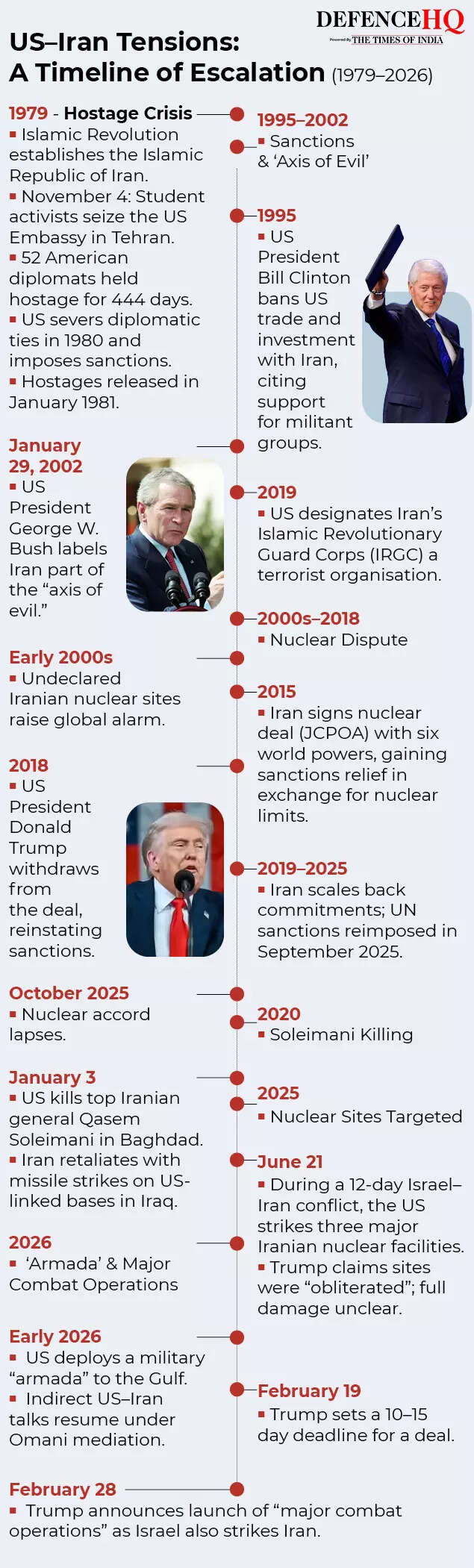
Years of sanctions, mismanagement and corruption hollowed out the economy. Inflation soared, oil revenues dwindled and public anger deepened. Yet Khamenei refused to abandon missile development or regional alliances, seeing them as essential deterrents.His final months were marked by escalating brinkmanship. As US forces massed in the region and Israel struck Iranian assets, he warned that any attack would trigger wider war. Negotiations flickered but faltered. Then came the strikes that targeted key military sites – and his own compound.
The axis of resistance
Under Khamenei, Iran invested heavily in what became known as the “axis of resistance”: Hezbollah in Lebanon, Hamas in Gaza, Shia militias in Iraq, the Houthis in Yemen and the Assad regime in Syria. This network allowed Tehran to project influence while avoiding direct war.
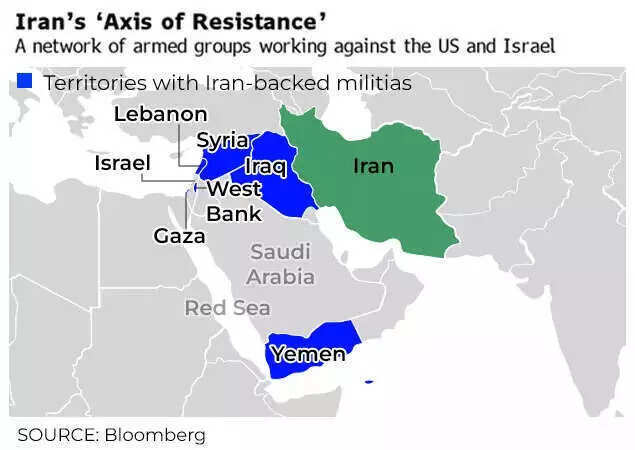
For years, the strategy appeared to give Iran strategic depth. But Israeli operations after October 2023 weakened Hamas and Hezbollah. The fall of Bashar al-Assad in Syria in December 2024 dealt another blow. Iran’s regional reach was stunted, and its allies proved less capable of deterring Israeli action than once assumed.When US and Israeli missiles struck Tehran, Hezbollah’s leadership offered rhetorical support but little more. Hamas was in no position to intervene. The Houthis remained largely inactive. Khamenei’s deterrent web had frayed.
The strike on Tehran
CIA intelligence indicating that Khamenei would attend a meeting of senior Iranian officials at a secure compound in central Tehran helped guide the US–Israeli operation that killed him, according to reports in the New York Times. American officials, who had been tracking his movements for months, learned that a high-level meeting was scheduled for Saturday morning.Washington and Tel Aviv had initially planned to strike overnight. That timetable was altered after fresh intelligence suggested Khamenei would be present at the morning session, dramatically increasing the strategic value of the attack. The United States shared the information with Israel, which executed the strike on the leadership compound.
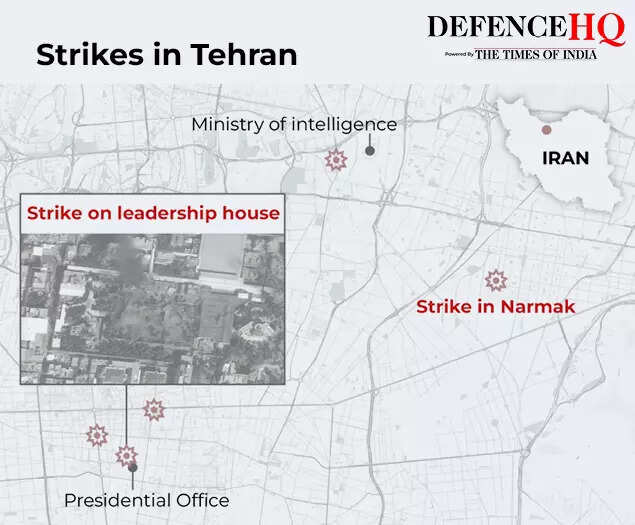
The operation reportedly began shortly after 6am Israeli time. Long-range missiles hit the compound before 10am. Senior national security officials were gathered in one building; Khamenei was in a nearby structure. Satellite imagery later showed significant destruction across the site.Iranian state media confirmed that Khamenei had been killed. Also reported dead were General Mohammad Pakpour, the chief of the Islamic Revolutionary Guard Corps (IRGC), and Ali Shamkhani, a senior security adviser. President Donald Trump declared that the bombing would continue “as long as necessary”. Israel’s leadership made little secret of its view that removing Khamenei could accelerate the collapse of the Islamic Republic in its present form.
Electing a new Supreme Leader
Under Iran’s constitution, the supreme leader is appointed by the Assembly of Experts, an 88-member clerical body. During a previous period in hiding amid Israeli airstrikes, Khamenei is said to have identified three potential successors: Gholam-Hossein Mohseni-Eje’i, the head of the judiciary; Ali Asghar Hejazi, his powerful chief of staff; and Hassan Khomeini, a grandson of the revolution’s founder associated with the reformist camp. Israeli officials later claimed Hejazi had also been killed.Khamenei’s son, Mojtaba, long viewed as influential behind the scenes, had backing among some factions. Yet Khamenei had publicly signalled that he did not wish the position to become hereditary.In the immediate aftermath of his death, Iranian state media announced that the president, the head of the judiciary and a jurist from the Guardian Council would oversee a transitional period, though the precise contours of power remained opaque. The IRGC, now the most formidable institution in the country, was widely expected to shape any outcome.
An uncertain future
Khamenei’s death marks a seismic moment for the Islamic Republic. He had navigated four decades of turmoil, balancing ideological rigidity with tactical compromise, repression with calculated restraint abroad. His final confrontation suggests that balance ultimately failed.Whether his removal hastens regime change remains unclear. The CIA reportedly assessed that, even if killed, he would likely be replaced by hardline figures from the IRGC. The Assembly of Experts must now convene, but the Guards’ influence looms large.Iran stands at a crossroads. The system forged in revolution and hardened under Khamenei’s rule has shown resilience in the face of sanctions and unrest. Yet beneath it lies a society weary of isolation, economic hardship and repression.For nearly 40 years, Ali Khamenei sought to preserve Khomeini’s legacy and his own authority, steering between war and compromise, dissent and survival. In the end, the confrontation he long predicted came not in gradual erosion but in a sudden, violent strike on the heart of Tehran.