Vinay Kumar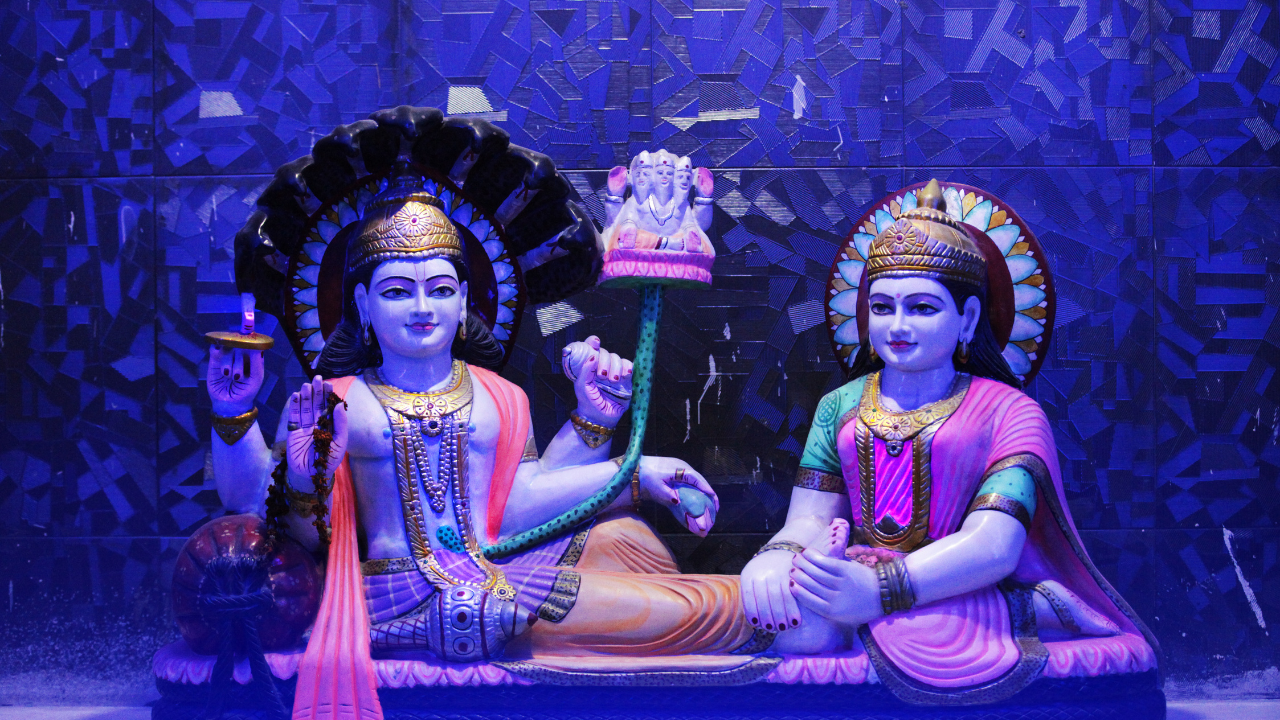
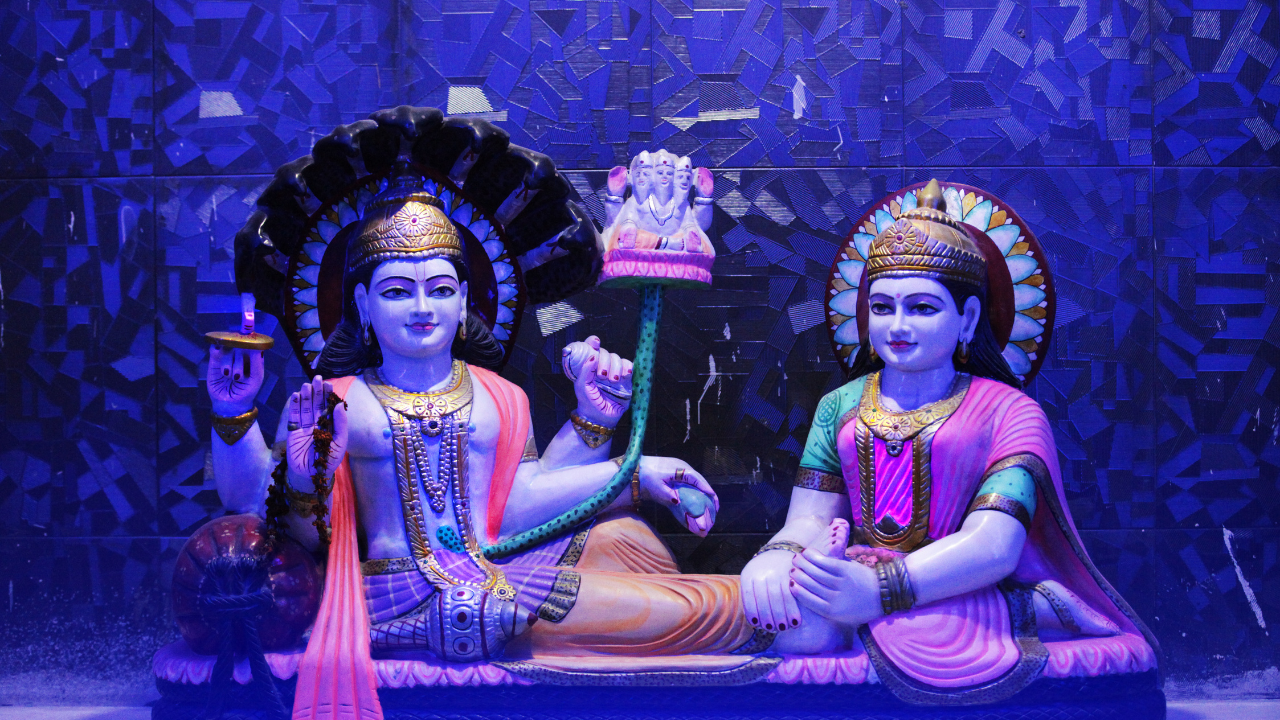
Putrada Ekadashi, a holy fasting day in the Hindu lunisolar calendar, holds great importance for those who wish for children, particularly sons. Occurring on the 11th day (Ekadashi) of the waxing phase of Shravana (July-August), it is believed that sincere devotion through prayer and fasting on this day gives blessed children and domestic peace to the faithful. Putrada Ekadashi in 2025 will occur on Tuesday, August 5.It is quite interesting to note that there are two Putrada Ekadashis in a year: one in Pausha (January) and the other in Shravana (August). Both of them are celebrated with reverence for Lord Vishnu and are highly worshiped by married couples, especially those who are childless or wish for their children’s well-being.
The time of Ekadashi?As per Vedic astrology, the Ekadashi falls twice monthly on the 11th lunar day (tithi) of the waxing moon (Shukla Paksha) and waning moon (Krishna Paksha), roughly 11 days after each full and new moon. It is believed that it is the best time to cleanse the body, mind and soul by devotion and abstaining from rajasic and tamasic foods, as doing so helps in internal healing.

The science behind Ekadashi?According to modern beliefs, Ekadashi fasting aligns with lunar cycles that occur on the 11th day (tithi) of each lunar phase when the moon’s gravitational pull peaks, intensifying its influence on the body’s water content, much like the ocean tides that potentially disrupt digestion, emotions, and mental focus. It is believed that abstaining from grains and heavy foods during this period can help the digestive system to rest and go through a process of cleansing and detoxification, autophagy (cellular repair), improved metabolism, insulin sensitivity, and reduced inflammation along with better mental clarity and willpower as blood flow prioritizes the brain over digestion. This Vedic practice thus balances internal tides, fostering physical rejuvenation, emotional stability, and spiritual discipline in harmony with cosmic energy. How does Ekadashi impact the mind and soul?Have you noticed how we often eat when we are bored stressed or angry? Well, a simple way to understand the science behind this Vedic tradition is when you consciously decide to fast on Ekadashi, you have a strong hold on your senses and even cravings, which eventually helps in effective mind control and is believed to be an important way of cleansing your mind and soul.As per the books of Vedic astrology, observing this fast has an interesting connection with the moon. Our bodies are mostly made of water like the oceans. Just as the moon pulls the tides, the moon is believed to affect the tides inside our bodies and minds, making us feel more emotional or restless around days. Ekadashi is the day when we balance that out keeping us calm and steady when the moon’s pull is strongest. Ekadashi is a day to remember that we are not just beings who need food but spiritual beings who need peace and calm.