
 Vinay Kumar
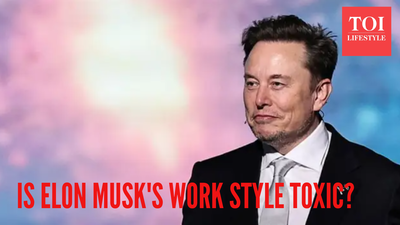
Businessman Elon Musk who leads Tesla, SpaceX and multiple other businesses, dedicates his time to work 80 to 100 hours per week, and occasionally, even exceeds that number! According to Musk, extended work hours are imperative for achieving world-changing results. According to him, no person has ever accomplished world-changing achievements through regular 40-hour workweeks. The extreme work schedule of Elon Musk creates two polar opposite results-as it either drives employees to work harder, or damages their mental state. Let’s examine the pros and cons for both…

The inspiration behind Elon Musk’s work ethicMany entrepreneurs and workers find inspiration in Musk’s dedication, because they aim to succeed, and create new things. His commitment to extreme work hours enables him to drive innovation in electric car development, and space exploration. The dedication of more than 80 hours per week represents his willingness to make sacrifices for tackling enormous obstacles. During critical periods, Musk even sleeps in his office, to demonstrate his complete dedication to his business goals. People who dedicate themselves to their work can find inspiration in Musk’s non-stop schedule, to reach their ambitious targets.Mental health repercussionsResearch indicates that working beyond 50 hours per week, leads to negative effects on mental health through increased stress, anxiety and burnout development. People who work extended hours, face higher chances of developing sleep disorders and depression, while their work-life separation becomes unmanageable. Research indicates that working long hours results in decreased productivity, and more workplace mistakes. Research conducted in 2020, demonstrated that working extended hours, leads to decreased work performance and higher mistake rates. The practice of working 80 hours or more, becomes both impossible to maintain, and causes harm to most individuals. Musk himself has revealed that his mental and physical body has suffered due to extended hours.

The productivity paradoxResearch indicates that employee productivity reaches its peak between 40 to 50 working hours per week, before it starts to decline rapidly. People who work excessive hours experience physical exhaustion, which makes their concentration weak, and their mental processes slower. Working 80 hours per week, might appear productive, but it actually leads to decreased work quality. Research shows that organizations which adopt shorter workweeks, achieve higher employee contentment, and superior performance outcomes. The scientific evidence supports rest and recovery as essential factors for long-term achievement, yet Musk promotes working longer hours.The cultural shift around work-life balanceMultiple countries together with their businesses, now adopt shorter workweeks to support employee wellness without compromising productivity levels. The French and Finnish governments have established work hour restrictions, which provide employees with additional paid time off, to support their mental health. People across the world now understand that taking breaks and having flexibility and rest time, leads to better creativity and happiness. The world has moved away from Musk’s belief in working extended hours, because most organisations now understand that rest time leads to better results.Finding a BalanceWhile it is important to work hard, it is equally important to draw a balance, for mental peace and relaxation. Musk’s dedication to work has resulted in health problems, which serve as evidence against his extreme work schedule. People who maintain strong mental resilience and show deep passion for their work, can sustain long working hours, but this does not ensure their mental health will not suffer. Experts recommend people should establish work boundaries and make time for sleep and scheduled breaks, to maintain their mental health. Most people will achieve their long-term goals and happiness through maintaining regular focused work hours, while making time for rest. Through his example, Musk demonstrates how to achieve great things, but also showcases the dangers of working too much. So do what works best for you, but learn to draw a balance. To sum it up with a famous proverb, “All work and no play makes Jack a dull boy!”