Vinay Kumar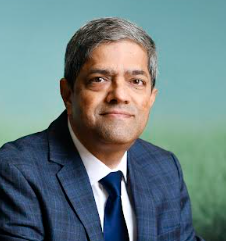
As India rises economically, its food processing sector must move to create global value – transforming farm surplus to innovation, opportunity and competitiveness
India stands at a defining economic juncture. As the nation advances toward becoming the world’s third-largest economy, growth can no longer be measured solely in aggregate output. It must increasingly be assessed by how effectively we convert our core strengths into sustainable value. Few sectors reflect this imperative as clearly as food processing. For a decade, India has consistently recorded agricultural surplus across multiple categories, placing us in a position of both opportunity and responsibility.
India ranks among the world’s largest producers of foodgrain, fruits, vegetables, milk and marine products. Yet only, 12-13 per cent of its agro-produce currently undergoes processing. This gap between production and value addition represents a significant structural opportunity. Over the next six to seven years, India aims to double its food processing output – strengthening value chains, enhancing farmer incomes and minimising post-harvest losses. It will also significantly elevate India’s global stature in the food processing sector.
Prime Minister Narendra Modi has consistently emphasised that India must move beyond being merely a supplier of raw foodgrain to emerging as a global leader in sustainable, hygienic and ready-to-consume food products. As he has stated: “India must add value to its agri-produce and make its farmers partners in prosperity.” This vision provides clear strategic direction to our policy framework.
Growing Urban Appetite
India’s demographic transition is reshaping demand patterns in fundamental ways. A young, aspirational and increasingly urban population is redefining consumption behavior. Consider a working couple in a major metropolitan center such as Bengaluru. Time-constrained yet quality-conscious, they are unlikely to prepare three elaborate meals daily. Instead, they seek safe, nutritious and high-quality ready-to-eat or ready-to-cook products that align with modern lifestyles.
This is not a transient trend; it is a structural shift. A significant proportion of India’s population now forms part of the urban working middle class. Their expectations are clear: transparency in sourcing, nutritional integrity, reliable packaging and adherence to global food safety standards. The food processing industry is well positioned to respond to these expectations while generating employment, attracting investment and stimulating allied sectors such as logistics, cold chains and packaging.
Technological advancements are reinforcing this transition. Modern packaging solutions extend shelf life without compromising quality and, in many cases, without requiring artificial preservatives or emulsifiers. Innovations in aseptic packaging, modified-atmosphere storage and eco-friendly materials are strengthening India’s competitiveness in domestic and international markets.
From Surplus to Strength
Agricultural surplus, in the absence of adequate storage and processing capacity, can translate into wastage and income volatility. Food processing is therefore not merely an industrial policy priority; it is central to agricultural value realisation. By converting perishable produce into value-added products – whether frozen vegetables, fruit concentrates, dairy derivatives or nutritionally fortified staples – we reduce post-harvest losses and create stable demand channels. More important, we enhance income predictability for farmers. Each additional processing facility serves as an anchor for agricultural output, integrating producers more closely with organised markets and formal supply chains.
Since its establishment in 1988, the Ministry of Food Processing Industries has progressively expanded its mandate in alignment with national priorities. Our approach today is ecosystem-driven, such as infrastructure creation, cold-chain development, support to micro, small and medium enterprises, encouragement of start-ups and facilitation of foreign direct investment. Flagship initiatives, including mega food parks and production-linked incentive schemes, are structured to catalyse scale, attract technology and strengthen global competitiveness.
These efforts are anchored in partnerships: between the Centre and States; between government and industry; and between India and international stakeholders. Food processing is inherently collaborative, spanning the entire value chain from farmgate to consumer.
Anvesh 2026: Global Convergence
In this context, Anvesh 2026 assumes strategic importance. Conceived as a global platform for dialogue and technology exchange, it will bring together leading experts in food processing, packaging and food technology. Anvesh reflects India’s commitment to positioning its processed food sector among the world’s best. The scale of participation underscores this: the event will host 115 speakers, including 33 global experts from 25 countries across all continents. Fourteen technical sessions and 339 oral and poster presentations will address themes ranging from sustainable processing and smart packaging to food safety, traceability and nutrition science. Cookery showcases will underline how India’s traditional culinary strengths can be complemented by modern technology.
Such global engagement strengthens India’s ability to benchmark against international best practices, adopt emerging technologies and forge partnerships. It sends a clear signal to investors, researchers and entrepreneurs that India is committed to building a globally competitive processed food ecosystem.
Our larger objective is straightforward; Indian packaged and processed food must command the same trust globally that our agricultural produce already enjoys. This requires uncompromising standards in quality, traceability and sustainability, supported by robust regulation and industry compliance. The challenge is significant, but so is the opportunity; it is a blueprint for India’s future success.
Shared Responsibility
As our economy expands, expectations rise in tandem. Consumers demand convenience, but they also seek accountability. Safe, nutritious and responsibly sourced food is no longer optional; it is fundamental. Environmental considerations such as water stewardship and sustainable packaging must inform production decisions across the value chain.
Under Prime Minister Modi’s leadership, the government has prioritised value addition in agriculture as a pathway to inclusive growth. Food processing sits at the intersection of farmer welfare, consumer well-being and industrial growth. When the sector strengthens, farmers benefit from assured demand, entrepreneurs gain avenues for innovation and consumers access safe, diverse and quality products.
The goal of increasing the share of processed agro-produce in just a few years is ambitious. It requires sustained investment in infrastructure, skill development, research and regulatory harmonisation. It calls for concerted action by stakeholders and continuous technological upgrade. While demanding, these tasks are quite achievable with a clarity of purpose and institutional commitment.
India’s food narrative has evolved from scarcity to surplus. The next phase is leadership. By converting agricultural abundance into high-quality, value-added products for domestic and global markets, we can redefine our position in the global food economy. The transition from food security to food leadership is both an opportunity and a national responsibility. With strategic direction, institutional commitment and collaborative effort, India can emerge not only as a granary to the world, but also as a trusted global provider of healthy, sustainable and table-ready food products.
Disclaimer
Views expressed above are the author’s own.
END OF ARTICLE