
 Vinay Kumar
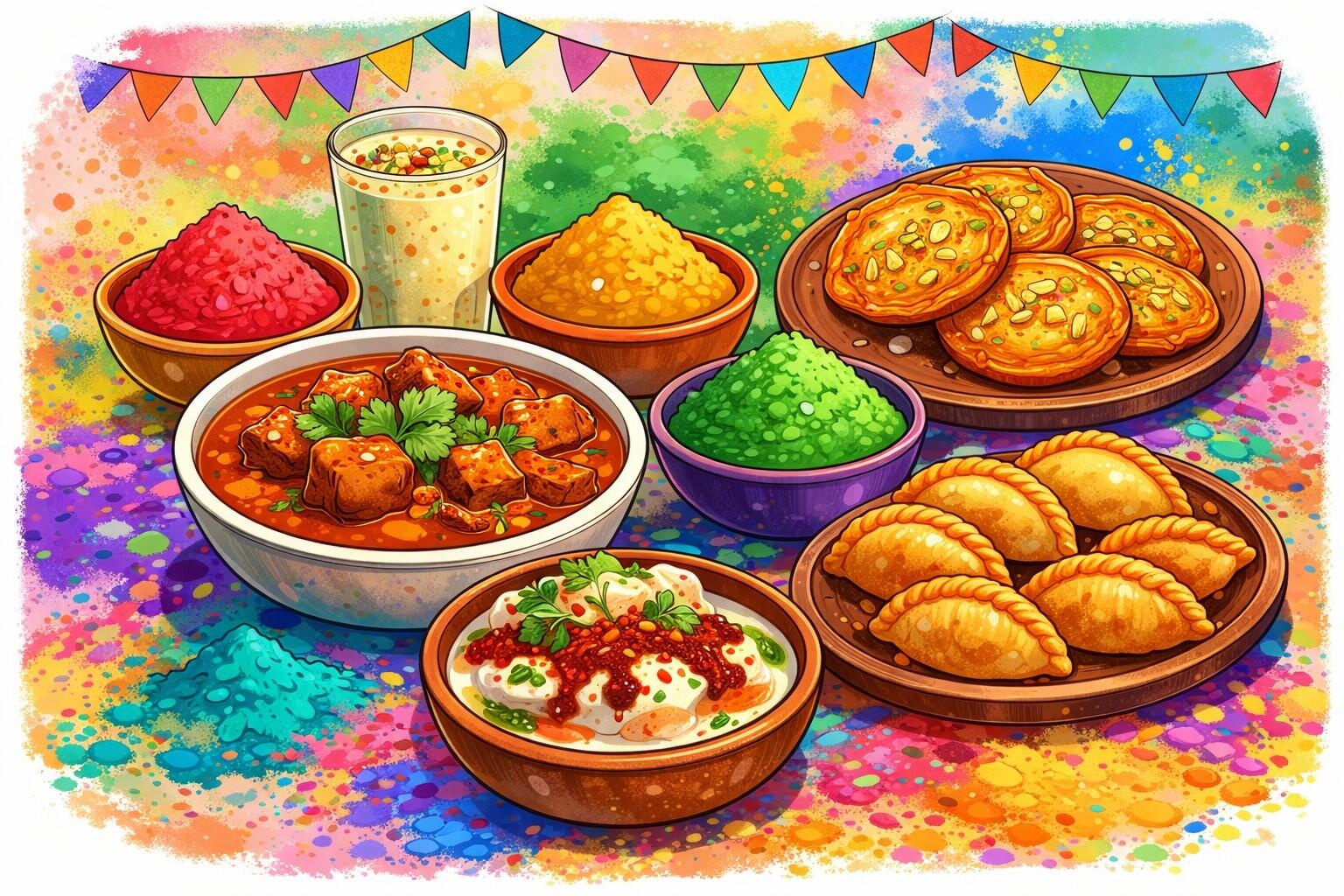

Holi, the radiant festival of colors, is as much a celebration of flavor as it is of joy. Welcoming the arrival of spring and symbolizing renewal, Holi transforms homes across India into kitchens fragrant with cardamom, saffron, and freshly fried sweets. Food becomes an expression of love, generosity, and togetherness, binding communities in shared delight. In Uttar Pradesh and Delhi, families lovingly prepare gujiya—delicate pastries filled with sweetened khoya and nuts—golden and crisp from the fryer. Platters of dahi bhalla, soft lentil dumplings bathed in yogurt and tangy chutneys, balance sweetness with spice. Thandai, infused with almonds, fennel, and rose, cools the spirit after a day of playful color. Further west, in Maharashtra, puran poli graces festive tables, its warm sweetness symbolizing abundance. In Gujarat, shrikhand and savory farsan add rich variety, while in West Bengal, Dol Jatra is sweetened with malpua and delicate sandesh.

Read more at: 9 must-try dishes in Vrindavan on your Holi trip to the city
What is Holi without Gujiya!
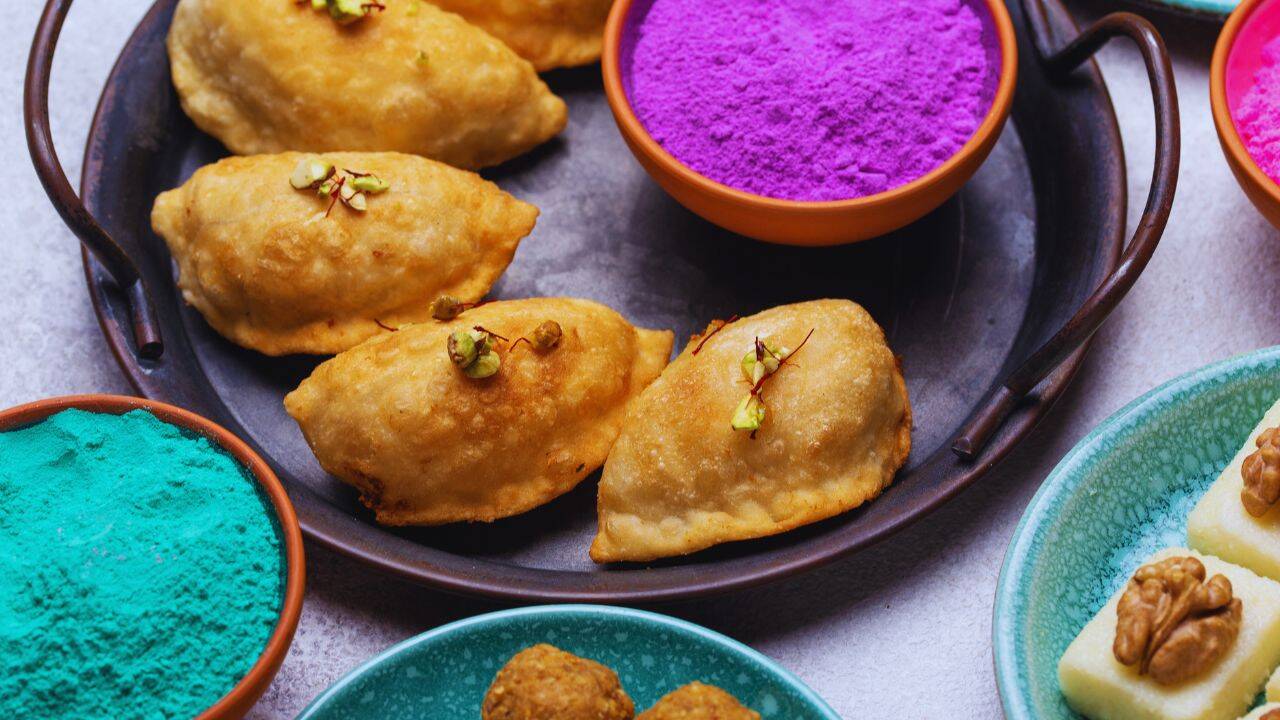
What is Holi without Gujiya! Long before the colors touch our cheeks, the fragrance of roasting khoya drifts through the house, whispering that the festival has arrived. In homes across India, grandmothers sit patiently folding delicate edges, while children sneak spoonfuls of the sweet filling, earning playful scoldings. The night of Holika Dahan glows outside, but inside the kitchen glows warmer—with stories, laughter, and flour-dusted hands. When morning comes and colors bloom in the air, it is the first bite of crisp, syrupy gujiya that truly feels like Holi—sweet, familiar, and wrapped in memory.
Read full article: How to make desi style Gujiya at home
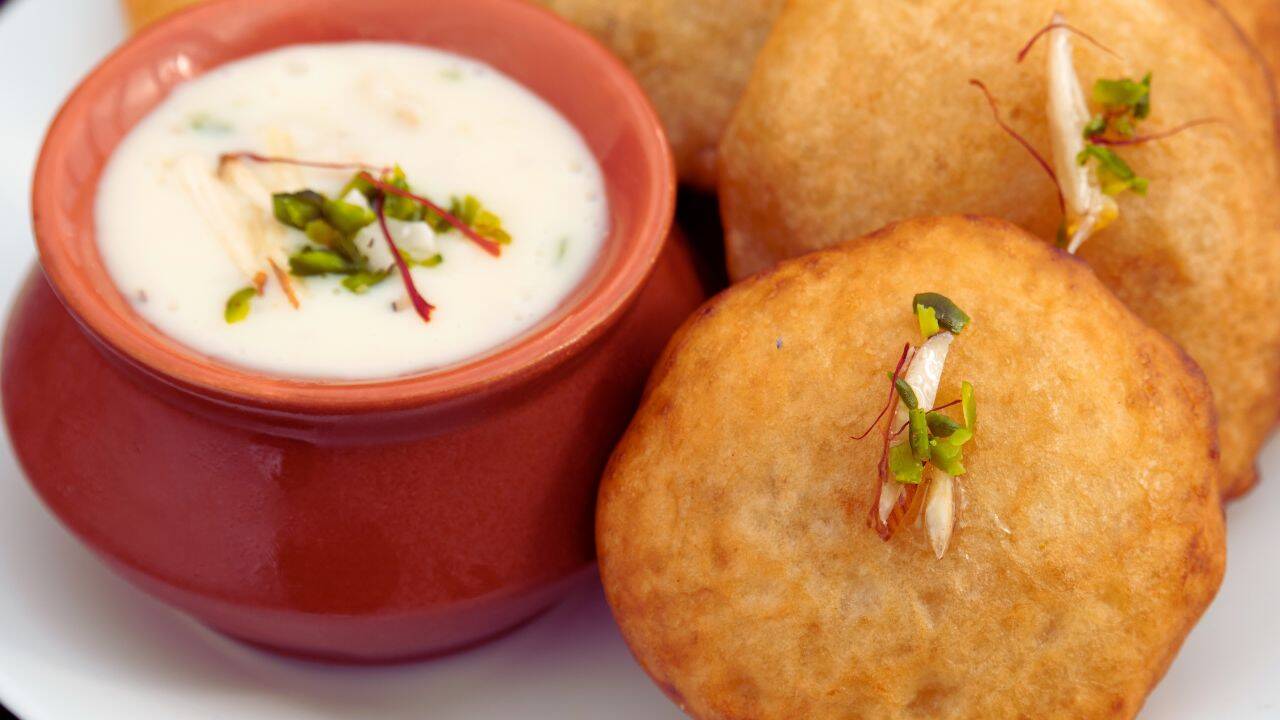
Dare to imagine Holi without Dahi Bhallas?
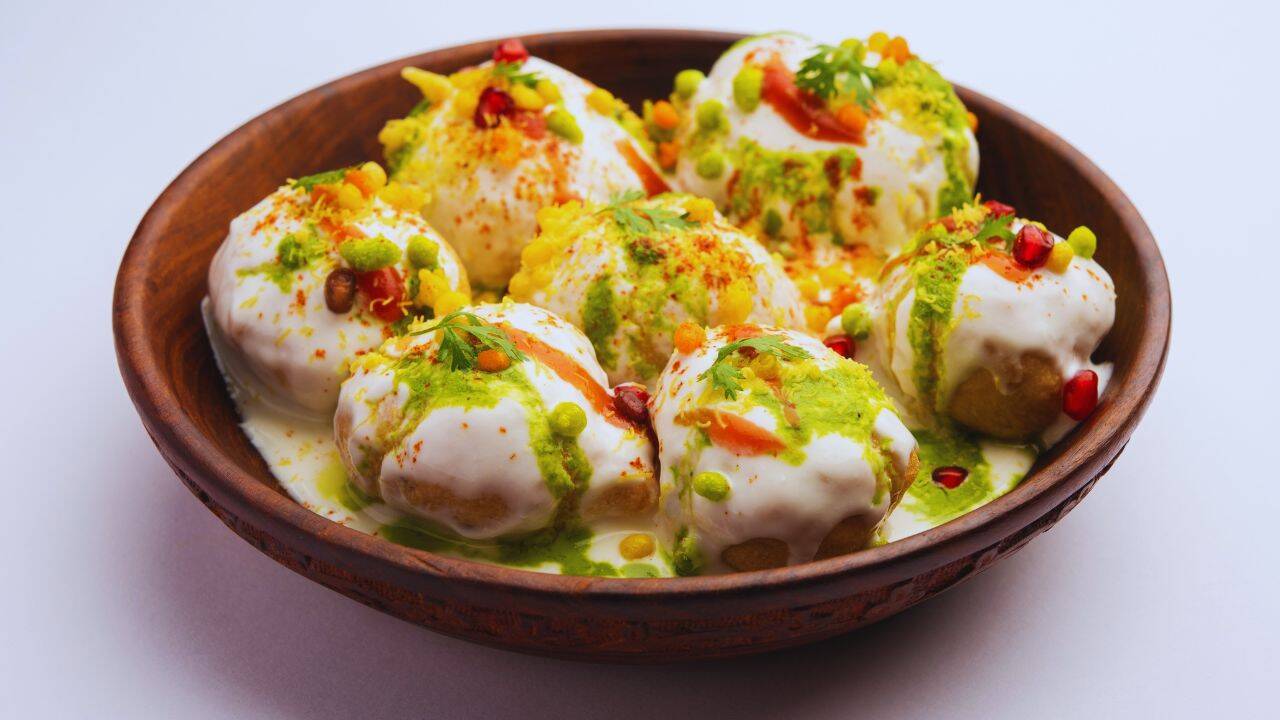
Across India, Holi is not only a riot of colors but also a celebration of cherished flavors, and dahi bhallas hold a special place on every festive table. From the bustling lanes of Delhi to the vibrant homes of Jaipur and Varanasi, this cooling delicacy balances the day’s excitement. Soft lentil dumplings soaked in creamy yogurt, topped with tangy tamarind chutney and fragrant spices, offer comfort after hours of playful celebration. As colors stain clothes and laughter fills the air, sharing dahi bhallas becomes an act of togetherness—refreshing, nourishing, and lovingly prepared, just like the spirit of Holi itself.
Read full article: 9 traditional curd-based dishes to enjoy this Holi
Why is meat an integral part of Holi celebrations
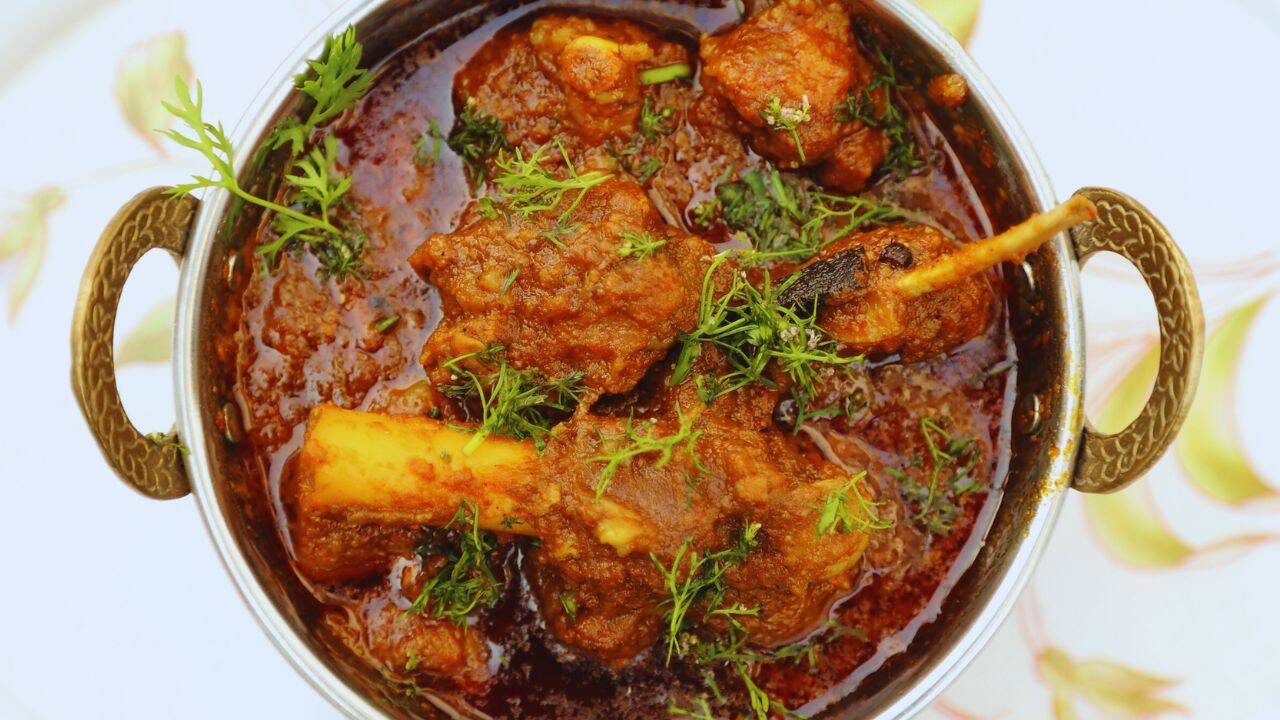
While Holi is often painted in shades of gujiya and thandai, the tradition of cooking meat during the festival runs deep in many communities across India. Holi marks not just a religious celebration but a seasonal turning point—the end of winter’s restraint and the arrival of spring’s abundance. In agrarian regions like Uttar Pradesh, Bihar, and parts of West Bengal, this shift historically meant fresh harvests, fuller granaries, and the freedom to feast richly after months of simplicity. Meat, especially slow-cooked mutton or spiced chicken, became a symbol of prosperity and renewal. The night of Holika Dahan signifies the burning away of negativity; the following day’s meal celebrates life’s vitality.
Read full article: Why is meat traditionally eaten in several parts of India during Holi?
Disclaimer
Views expressed above are the author’s own.
END OF ARTICLE