Vinay Kumar
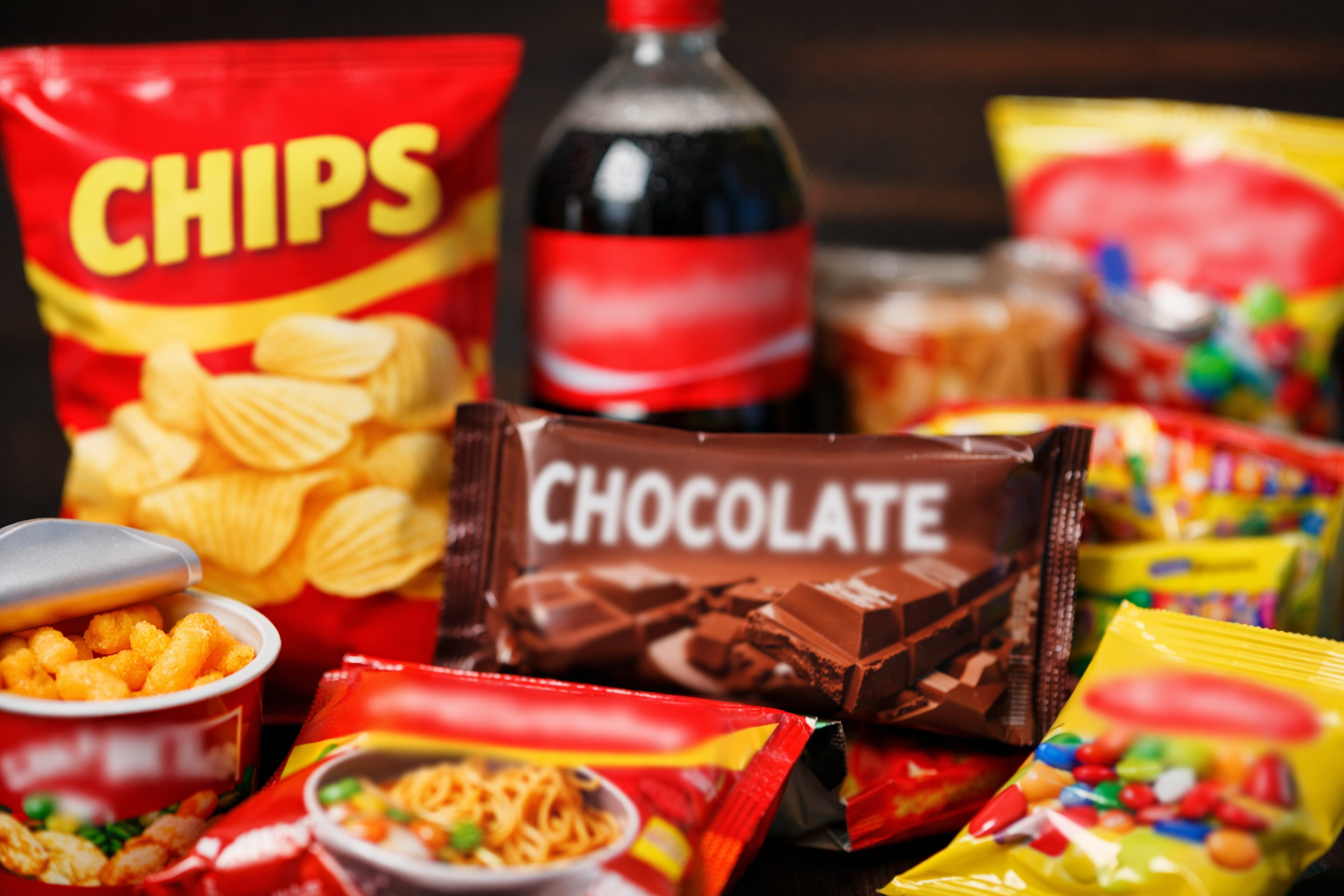

It’s now 12 years since the Food Safety and Standards Authority of India (FSSAI) admitted in 2014 that there was a need for front of pack labelling of packaged foods. Yet, not only has it not put in place such regulation, it has informed the Supreme Court that it could take a great deal longer.
The sequence of events started in 2010, when a Delhi NGO filed a public interest petition on junk food being served in school canteens, after which the court ordered FSSAI to frame guidelines on sale of junk food, especially in schools. The food and beverage industry had first contended that ‘junk’ food does not fall under the purview of the FSSAI and then tried to argue that the problem was not junk food but children’s lack of physical activity. It is the same industry that FSSAI is holding endless consultations with.
Two years later, the guidelines that were framed included front-of-pack labelling specifying how much fat, sugar or salt packaged food contained. FSSAI put it in the public domain in 2014 stating that the guidelines would be “converted into regulation in due course after following the process of inviting suggestions and comments, suggestions etc. from various stakeholders”.
After holding half a dozen ‘stakeholder consultations’, most of them dominated by the food and beverages industry, FSSAI told Supreme Court in its affidavit filed on March 13 that “further consultations may also be required”. While civil society groups point out that there is a conflict of interest in consulting the industry which is to be regulated on the framing of the regulations, food and beverage industry representatives continue to dominate the ‘stakeholder’ consultations.
Timeline of regulation for front of pack labelling of packaged food
Dec 2010– PIL filed by Uday Foundation, a Delhi-based non-profit seeking a ban on junk food sold in schools and around them, regulation of junk food promotion and advertisement, and development of a school canteen policy
Nov 2011– All India Food Processors Association became party in the case
Jan 2012– High Court gave health ministry six months to frame guidelines
Jul 2013– Court gave union govt 10-day deadline to frame detailed guidelines on sale of junk food in and around schools
Sept 2013– Centre sought expert committee review of recently drafted guidelines on regulating sale of junk food in and around schools, court allowed it
Oct 2013– Court rejected objections by the food and beverages industry and rejected industry’s contention that ‘junk’ food does not fall under the purview of FSSAI. Industry tried to argue that problem was not junk food but children’s lack of physical activity
Mar 2014– FSSAI submitted guidelines for making quality and safe foods available in schools which included strict control on promotions and advertisements designed and targeted to children and adolescents across all media, with strong recommendations against celebrity endorsement and front-of-pack labelling specifying the amount of fat, sugar or salt contained
Apr 2014– Sunita Narain, co-chair of the expert committee, alleged that guidelines that FSSAI submitted in court were diluted on influence of food industry, and that key changes were made to original guidelines submitted by expert committee
Oct 12, 2015– FSSAI put draft guidelines in public domain stating that they would be “converted into regulation in due course after following the process of inviting suggestions and comments, suggestions etc. from various stakeholders”
Jun 2016-2018 FSSAI signed MoU with CHIFFS (CII-Hindustan Unilever Initiative on Food Safety Sciences) “to co-produce food safety as a shared responsibility” and forged several partnerships with food industry such as the Eat Right campaign and launched the Nestle Food Safety Institute to build food safety awareness, training on regulatory standards, and improving testing methods, aimed at strengthening India’s food safety ecosystem
Oct 2017– National Multisectoral Action Plan-NMAP (2017-22) drawn up included enactment of laws and other regulatory measures, launching of IEC (information, education, communication) campaigns, formulation of appropriate policies, and so on for “reduction of risk factors levels in children, adolescents and adults”. Unhealthy diet was one of the key risk factors identified
Apr 11, 2018– FSSAI put draft Food Safety and Standards (Labelling and Display) Regulations, 2018 in public domain and sought comments and suggestions from stakeholders
Aug 17, 2018– CUTS International (Consumer Unity and Trust Society), a consumer rights organisation, in partnership with FSSAI organised a national consultation on food labelling regulation for safe and healthy foods attended by representatives from the health ministry, WHO public health experts and industry associations including Vanaspati Manufacturer’s Association of India, Federation of Biscuit Manufacturers of India and Assocom Institute of Bakery Technology & Management
Nov 18, 2020– Food Safety and Standards (Labeling and Display) Regulations 2020 put in public domain
Jun 30, 2021 –FSSAI decided to hire a reputed institution like IIMs to carry out a study of FOPL formats to identify ease of understanding and behavioural change of Indian consumers on a national level.
Feb 15, 2022– IIM, Ahmedabad report submitted, suggested star rating
Feb 15, 2022– FSSAI held meeting on FOPL. All 17 food industry representatives voted for star rating system and all six consumer organisations asked for warning labels.
Mar 2022– Consultation of public health and nutrition experts rejected health star rating saying that it could be misleading to give stars to foods which didn’t deserve to be called healthy by creating health haloes, while a warning system would be more easily understood.
Sept 13, 2022– Amended draft of the Food Safety and Standards (Labeling and Display) Regulations 2020 was put in public domain for objections and suggestions. Draft included the proposed Indian Nutrition Rating (INR) for FOPL which was a star-rating system where higher star rating would indicate a healthier product to help consumers make healthier dietary choices. The draft regulation also suggested a four-year voluntary period before making FOPL mandatory. 14,452 comments and suggestions were received from public and stakeholders including food businesses, associations, consumer organisations, public health organisations and other regulatory bodies
Feb 17, 2023– FSSAI constituted an expert committee to analyse and address the public feedback received. Committee conducted five meetings to carefully review all stakeholder comments and prepared its report in the fifth meeting.
Oct 30, 2023– Extension in tenure of expert committee to review comments related to FOPL regulation. FSSAI said that the expert committee’s report and amended draft notification of FSS (Labelling and Display) Regulations, 2022 will be submitted to the scientific committee for further recommendation and approval and after approval from scientific committee the proposal will be placed before the food authority for final approval
May 15, 2024– writ petition filed in court by 3S and Our Health Society seeking mandatory FOPL in the form of clear warning labels as FOPL on packaged products high in sugar, salt and saturated fat and stating that star-rating was insufficient.
Nov 12, 2024– FSSAI impleaded as a respondent in the case
Jan 29, 2025– FSSAI in its affidavit in court sought time from the court “to continue with its structured, consultative and evidence-based approach” to deliberate on FOPL and related regulations to ensure “effective, sustainable and contextually appropriate solutions for public health”
Apr 9, 2025– Govt told court it had decided to undertake necessary amendments in the FSS (Labelling and Display) Regulations, 2022. Court gave three months for expert committee to submit report and prepare its recommendations so that necessary amendments could be made based on the report.
May 16, 25, 26, 30, 2025– FSSAI organized four stakeholder consultations with food business operators and other concerned stakeholders across four regions-Delhi, Goa, Hyderabad and Kolkata
Jul 7, 2025– FSSAI filed an affidavit to inform the court about the stakeholder consultation
Jul 15, 2025– Govt sought a further extension of three months to enable expert committee to prepare the report as directed by the court and court gave the extension.
Jul 23 to Sep 30 2025– Expert committee held seven meetings to discuss the draft regulation and the comments received
Oct 8, 2025– Expert committee submitted its report two years and eight months after it was constituted in February 2023. It noted that there was no consensus among stakeholders regarding Indian Nutritional Rating using star rating format
Oct 9, 2025– Committee of secretaries (CoS) held meeting under chairmanship of cabinet secretary. Committee said “serious concerns have been raised on the draft notification by the stakeholders as it does not balance the requirements of different sections”. CoS said that the Ministry of Food Processing Industry had independently received 430 representations. Cos recommended that FSSAI withdraw FOPL notification and decide further course of action based on expert committee recommendations and stakeholder consultations
Nov 28, 2025– FSSAI filed affidavit in court submitting expert committee report and informing court about the CoS meeting and its recommendation.
Dec 16, 2025– Parliament committee submitted report on amendments to FSS (Labelling & Display) Regulations 2020 after receiving oral submissions and written comments from the health ministry, National Institute of Nutrition, FSSAI, ministry of micro, small and medium enterprises and various food industry associations and their representatives
Mar 19, 2026– FSSAI organised a stakeholder consultation on FSS (Labelling and Display) Regulations, 2020 including representatives from regulatory departments, food industry associations, consumer organisations, scientific experts and research institutions
Disclaimer
Views expressed above are the author’s own.
END OF ARTICLE