Vinay Kumar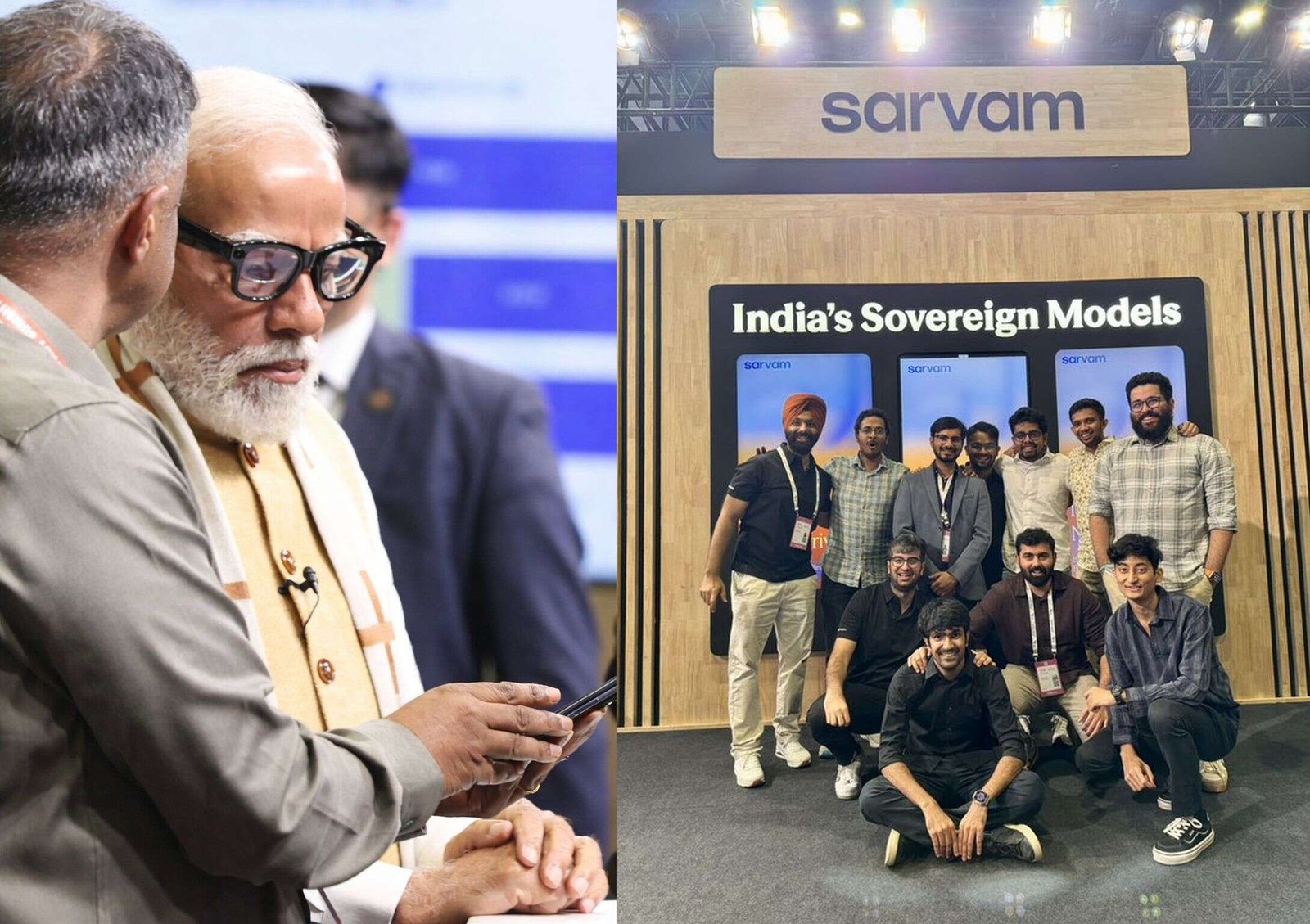
This week, India’s AI ambitions make a decisive leap as Sarvam unveils a 105-billion parameter foundational model. Back home, Zoho founder Sridhar Vembu reignites the brain drain debate with sharp remarks aimed at an Indian-origin White House adviser. And globally, religion’s footprint appears to be shifting, with one in four people now identifying as non-religious.
Let’s go.
THE BIG STORY
Sarvam’s 105B moment
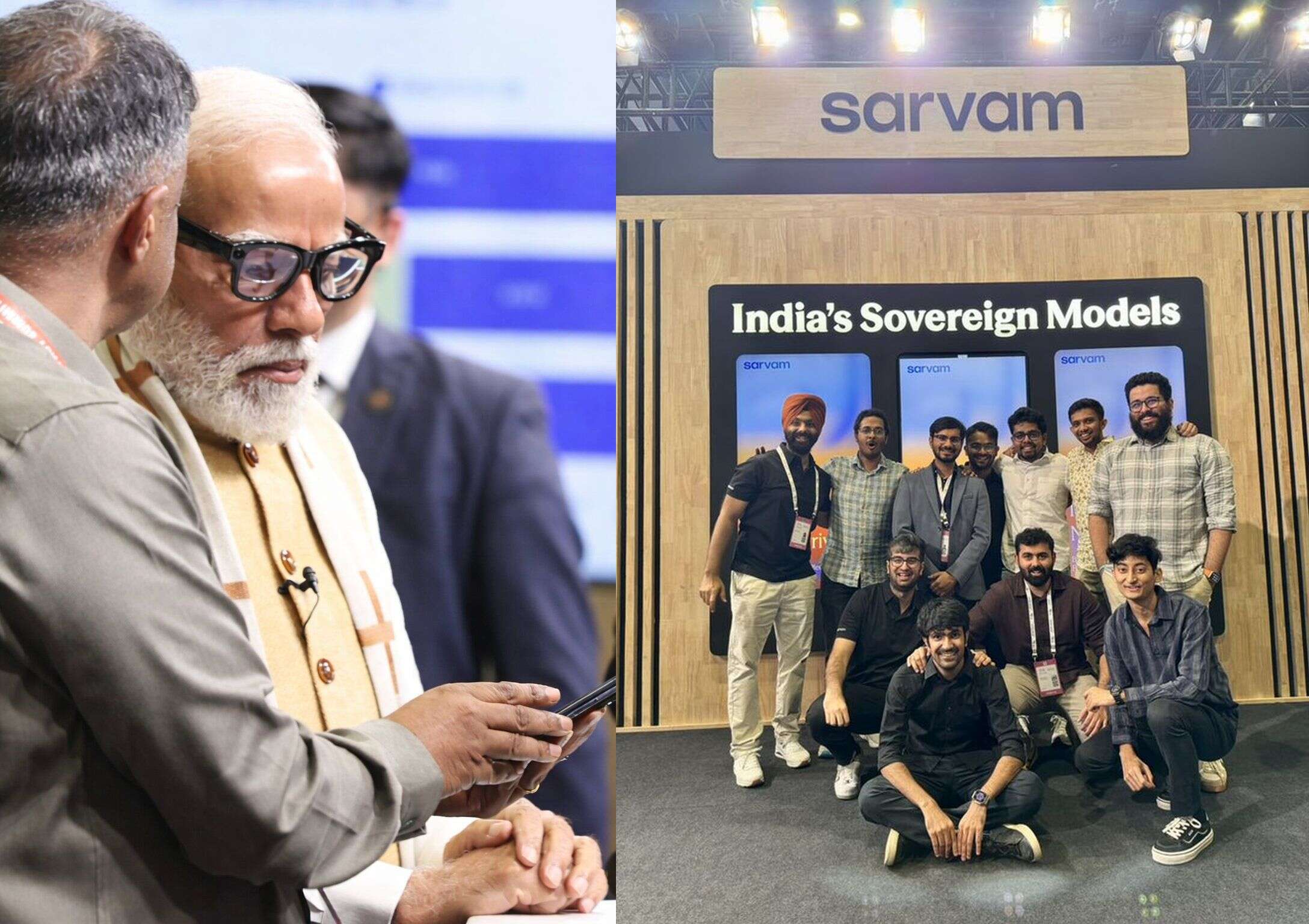

India has long spoken about building sovereign AI capability. This week, it delivered a marker.
Sarvam AI has unveiled a 105-billion parameter foundational model, placing an Indian startup in a category that, until recently, was dominated by American and Chinese firms. Parameter counts alone do not define intelligence, but they signal scale, ambition and compute depth. Crossing 100B is a statement that India intends to compete at the frontier layer, not merely at the application layer.
The model builds on Sarvam’s earlier 30B system and is designed with Indian languages, speech patterns and cultural contexts in mind. It reflects a strategic push to reduce dependence on foreign AI stacks and strengthen domestic capability.
Why it matters:
For years, Indian companies have excelled in deploying AI tools built elsewhere. A 105B foundational model changes that equation. It strengthens India’s argument for technological sovereignty and gives enterprises and public platforms a domestic base model to build on. It also signals that the country’s AI push is moving from policy intent to technical execution.
Driving the news:
The announcement comes amid India’s broader AI expansion, including enhanced compute access, multilingual initiatives and public digital infrastructure. Sarvam’s 105B model positions India more firmly on the global AI map at a time when foundational models are shaping economic and strategic power.
NRI WATCH
Sridhar Vembu and the brain drain debate
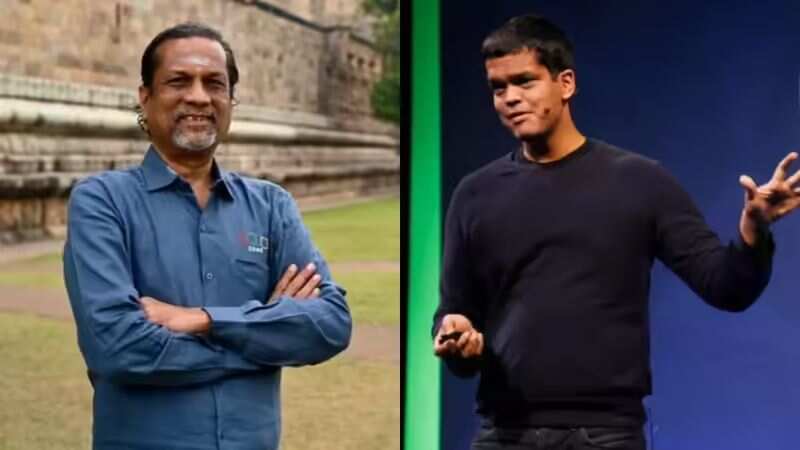

The global Indian story is often told as one of diaspora success. This week, that narrative met pointed criticism from within India.
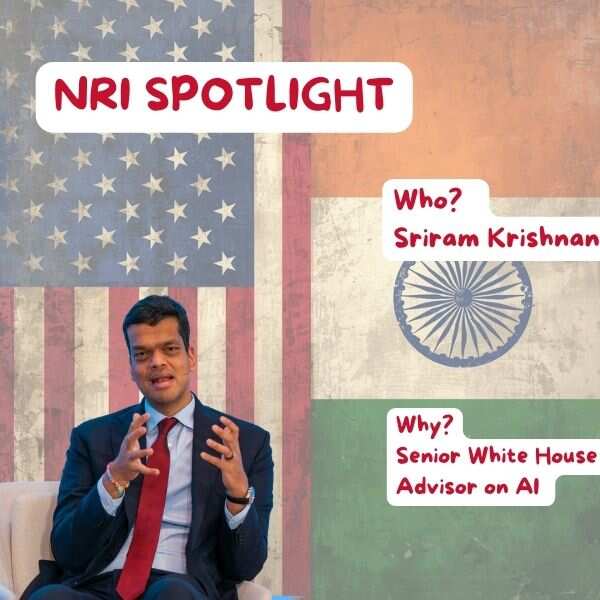
Zoho founder Sridhar Vembu took aim at an Indian-origin White House adviser, arguing that India’s persistent brain drain is costly and under-discussed. His remarks were made in India and quickly sparked debate online and in policy circles.
Vembu questioned the celebratory framing of Indians rising abroad while domestic ecosystems continue to lose high-end talent. The comment struck a nerve because it touched a familiar tension: pride in global Indian success versus concern over domestic capacity gaps.
The debate quickly expanded beyond individuals to larger structural questions. Is talent mobility a natural feature of a globalised economy, or does it represent a long-term loss for a country aspiring to technological self-reliance?
OFFBEAT
A world less religious
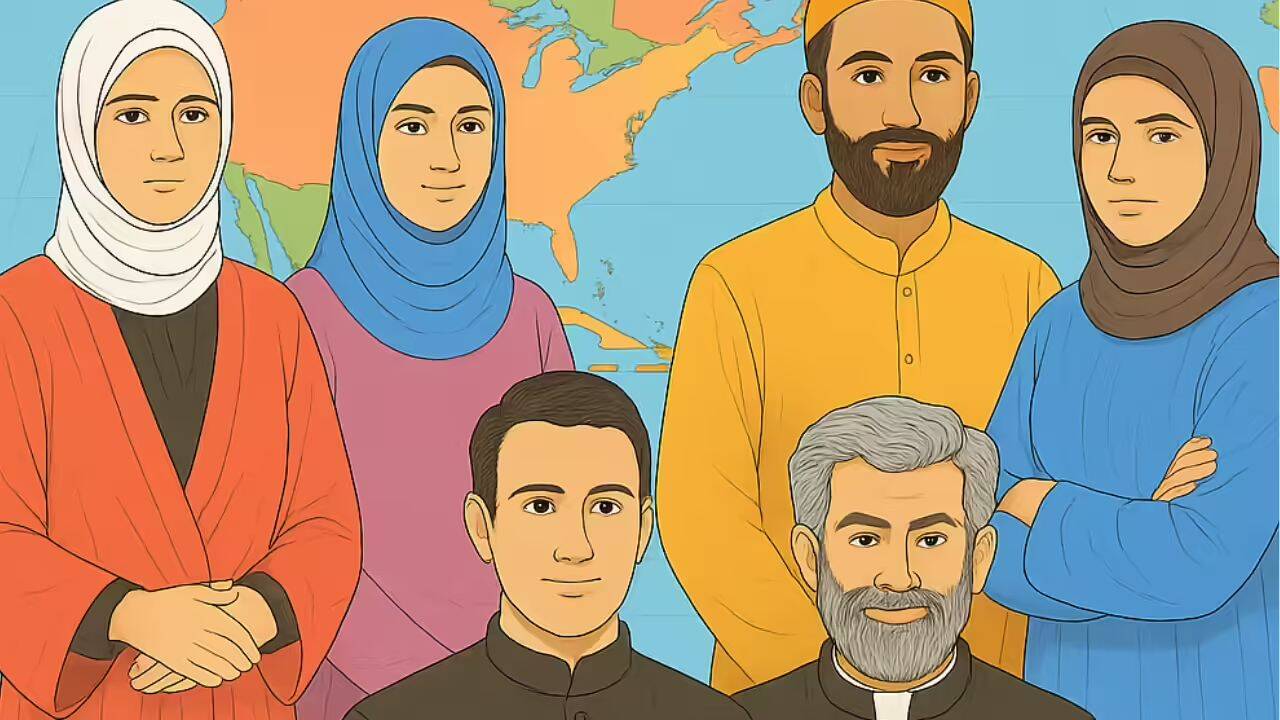

For centuries, religion has shaped politics, culture and identity. New data suggests that affiliation patterns are changing.
A global analysis shows that one in four people worldwide now identify as non-religious, making the non-affiliated the third-largest grouping globally. Christianity’s relative share has declined, while secular identities are rising in several regions, particularly among younger demographics.
This does not signal the disappearance of faith. In many countries, religion remains central to public life. However, generational shifts and social change are altering how people identify and organise themselves.
For diaspora communities, including Indians abroad, religion often serves as a cultural anchor. A more secular global environment may reshape community structures, political alignments and identity narratives in subtle but significant ways.
NRI SPOTLIGHT

DID YOU KNOW?

LEMONCHILLI.NEWS


Disclaimer
Views expressed above are the author’s own.
END OF ARTICLE