 Vinay Kumar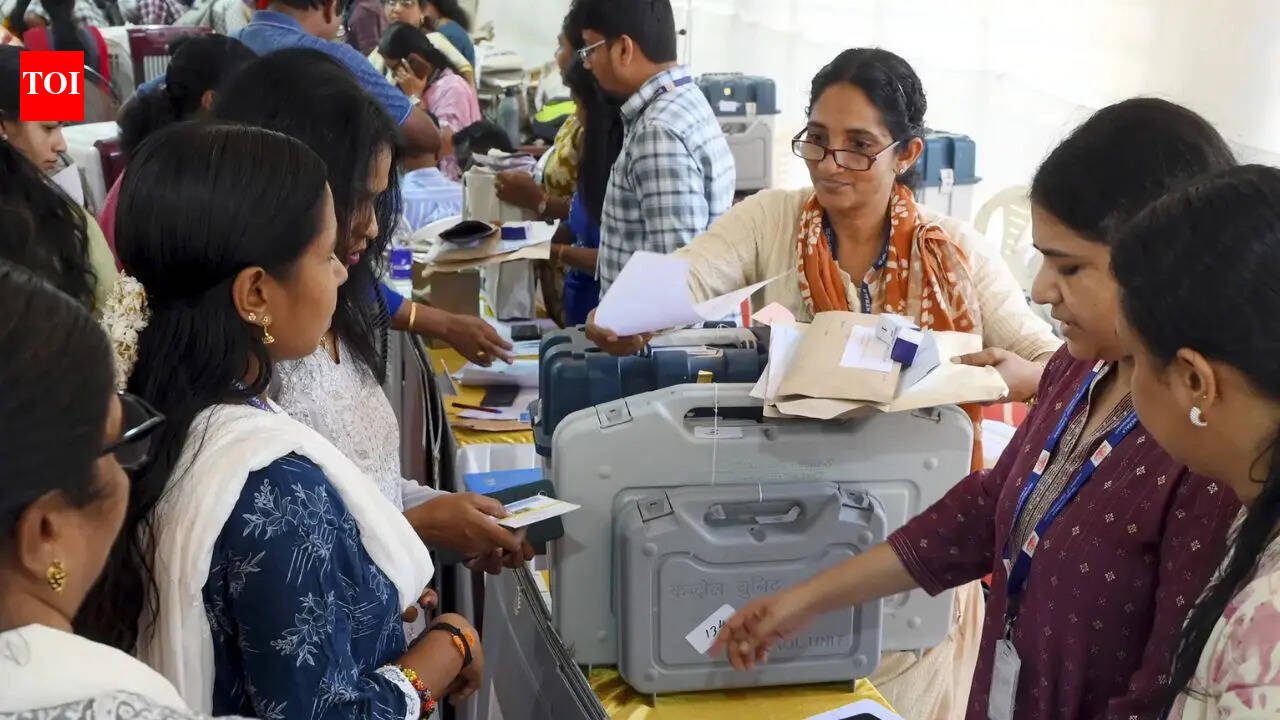
NEW DELHI: Kerala on Wednesday entered the mandatory silence period ahead of the April 9 assembly elections, with candidates and party workers making last-mile efforts to reach voters through door-to-door visits and personal contacts, as public campaigning came to an end.With high-decibel campaigning concluding Tuesday evening after nearly a month-long electioneering, a total of 2.71 crore voters are set to decide the fate of 883 candidates in the crucial polls for the 140-member assembly to be held on Thursday.
During the silence period, the Election Commission has strictly prohibited campaigning through public meetings, rallies, media interactions, and election-related interviews to ensure a level playing field. Star campaigners and political leaders have also been directed to refrain from addressing the media on poll-related matters.The electoral contest in the state is primarily among three fronts — the CPI(M)-led Left Democratic Front (LDF), the Congress-led United Democratic Front (UDF), and the BJP-led National Democratic Alliance (NDA).According to officials, all arrangements have been put in place for the smooth conduct of polling. A total of 30,495 polling stations have been set up across Kerala, including 24 auxiliary booths created following the Special Intensive Revision (SIR) of electoral rolls. These additional booths are located in Kasaragod, Kannur, Palakkad, Malappuram, and Ernakulam districts.Security measures have been intensified, with prohibitory orders imposed in sensitive constituencies to prevent untoward incidents. Around 2,000 persons identified as potential troublemakers have been placed under preventive detention, while authorities have executed about 11,000 non-bailable warrants. Additionally, over 3,400 social media posts have been removed for alleged violations of poll norms.Among the electorate, 1.32 crore are men, 1.39 crore women, and 273 transgender persons, along with over 2.42 lakh overseas voters eligible to cast their votes.Special arrangements include 352 polling stations managed entirely by women and 37 by persons with disabilities. Authorities have also established 140 distribution and collection centres, while counting will take place in 140 strongrooms across 43 locations.The final day of public campaigning on Tuesday witnessed a vibrant display of political mobilisation across the state, with roadshows, rallies, and processions filling town centres, marked by party flags, drum beats, and slogan-shouting workers.Apart from traditional canvassing, political parties also relied heavily on television, print media, and social media platforms to reach voters during the campaign period before the silence phase came into effect.