Vinay Kumar

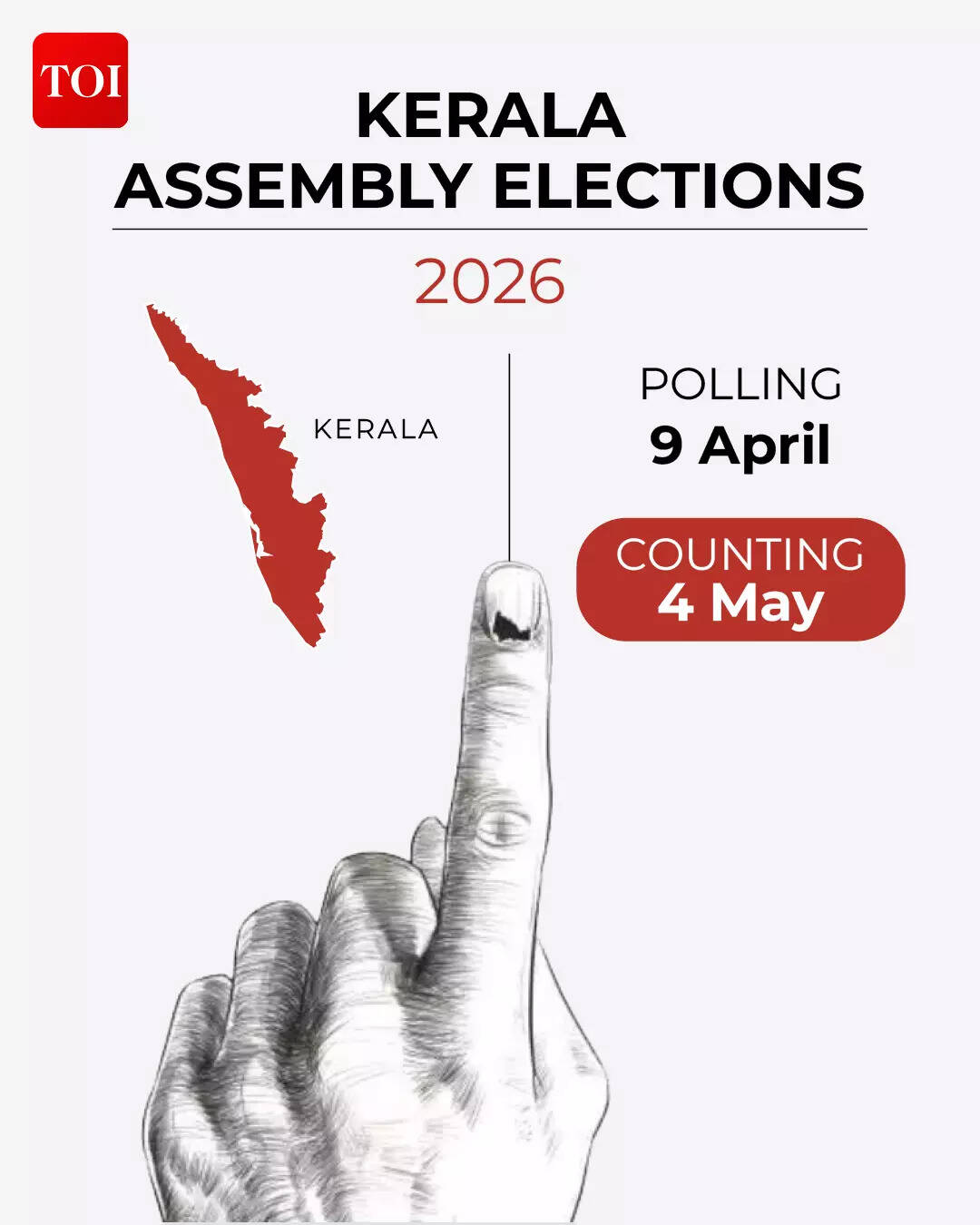
As Kerala heads towards the 2026 Assembly elections, data from the 2021 polls indicates that electoral contests in the state remain highly competitive, with narrow victory margins, fragmented vote shares and a small but steady NOTA presence shaping the political landscape.According to an analysis by the Association for Democratic Reforms (ADR) and Kerala Election Watch, the NOTA (None of the Above) vote share stood at 0.47% in 2021, with 97,695 voters opting for it out of over 2.08 crore votes polled. The figure was nearly unchanged from 0.5% in 2016, pointing to a consistent but limited protest vote that has not yet influenced electoral outcomes.
At the same time, constituency-level data shows that most victories in 2021 were far from decisive. The average vote share of winning candidates was 47.98%, with only 39 out of 140 MLAs securing more than 50% of the vote. A majority, 101 winners, were elected with less than half the votes polled, reflecting the impact of multi-cornered contests involving the Left Democratic Front (LDF), United Democratic Front (UDF), NDA candidates and independents.Victory margins further tell the competitiveness. Two constituencies were decided by fewer than 500 votes, while a large number of seats saw margins below 10%. Only five constituencies recorded margins above 30%, making landslide victories rare. Among re-elected MLAs, nearly 46% won with margins under 10%, suggesting limited incumbency advantage.The ADR assessment highlights that such sub-50% wins are a structural feature of Kerala’s electoral system rather than an exception. In several constituencies, runner-up candidates remained within close range, indicating that small shifts in vote share can alter outcomes.NOTA usage, though limited, showed variation across constituencies. Thalassery recorded the highest number of NOTA votes at 2,313, while Kalamassery saw nearly 0.97% of votes going to NOTA. Other constituencies such as Chittur, Manjeri, Sulthan Bathery, Vallikunnu, Paravur, Thripunitura and Alappuzha also crossed 1,000 NOTA votes. However, NOTA did not affect the result in any seat.Broader electoral patterns from 2021 add to the complexity. The ADR data shows that 77 winning candidates were crorepatis, while 99 MLAs declared criminal cases. Only 11 women were elected to the Assembly. Despite these factors, voters largely continued to back candidates based on party strength and local dynamics rather than shifting towards protest voting.Subsequent trends from the 2025 local body elections suggest potential shifts ahead of 2026. While the LDF retained close to 40% vote share, it saw significant seat losses across rural and urban bodies. The UDF secured 43.21% of the vote, while the BJP-led NDA maintained around 16%, with gains driven by better seat conversion. In Assembly segment terms, the UDF led in 81 constituencies, compared to 57 for the LDF, with several seats showing narrow margins.In at least 32 constituencies, the margin of defeat for the LDF was between 1,000 and 10,000 votes, reinforcing the importance of micro-level swings. The data also points to sharper three-cornered contests and vulnerabilities in urban segments.Taken together, the numbers suggest that Kerala’s elections are driven less by sweeping mandates and more by closely fought contests. As the state approaches the 2026 polls, even small changes in vote share, including any rise in NOTA from its 0.47% baseline, could become significant in tightly contested constituencies.(With inputs from agencies)