Vinay Kumar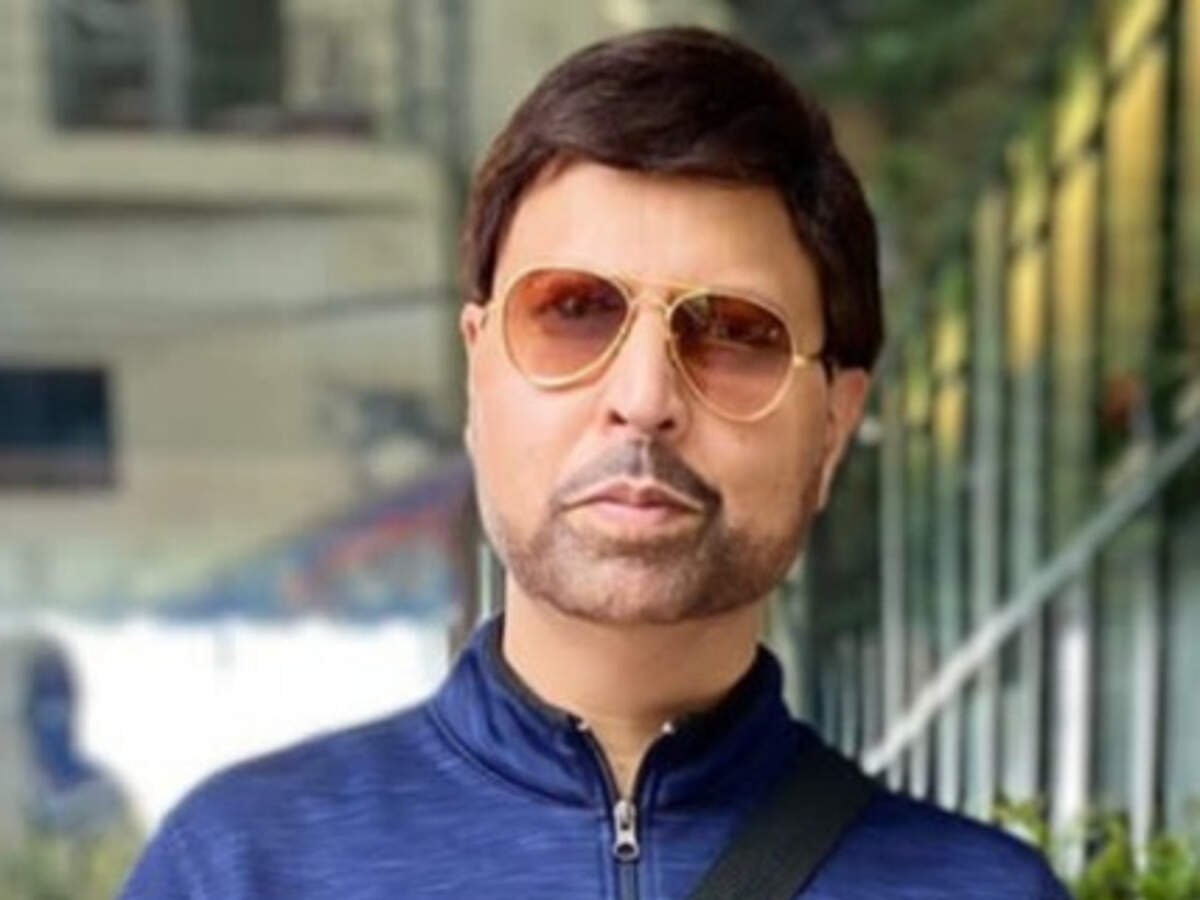
At some point in life, most of us encounter motivational speakers, life coaches, or even thoughtful friends who seem to possess clarity about resilience, emotional balance, forgiveness, discipline, and inner peace.
Their words often feel reassuring, like life maps drawn with confidence. Yet sometimes, if we look closely, we discover that the very people drawing these maps are still trying to find their own way through the same wilderness.
This is not necessarily deception. Nor is it always hypocrisy. More often, it is simply the paradox of being human.
There is a common but rarely discussed fallacy surrounding motivational figures…the assumption that the ability to explain a principle means mastery over it.
We unconsciously expect that someone who speaks about conquering fear must be fearless, that someone who teaches detachment must be free of emotional struggle, and that someone who advocates calmness must never lose their composure. But knowledge and embodiment of that knowledge are two very different journeys.
A doctor advising healthy living may still struggle with his own diet. A psychologist who understands anxiety may still experience restless nights. A financial expert may still make rash decisions about money. Expertise does not grant immunity from human vulnerability. It only provides the vocabulary to understand and decode life better.
We often forget that understanding something intellectually is very different from changing emotional responses built over decades.
Insight may arrive in a moment, but transformation demands repetition, awareness, and patience.
Knowing what is right is clarity. Living what is right is practice.
Another quiet truth is that people often speak most about the lessons they themselves are still trying to learn.
Many who speak about strength have known helplessness. Many who advocate hope have walked through despair. Many who talk about letting go are themselves practicing that lesson every day. Their words are not always declarations of victory but reminders they are giving themselves in public.
When they say heal your emotional wounds, they may still be healing. When they say stay strong, they may still be gathering their own strength.
This does not automatically make their message false. In many cases, it makes it more genuine. Advice born from lived struggle often carries more depth than advice born from comfort. Their sentences may not come from arrival, but from experience.
Often, those who have suffered develop a deeper sensitivity toward the suffering of others. Someone who has faced rejection may become exceptionally encouraging. Someone who has struggled with self-worth may become gentle in supporting others.
Their wisdom may not come from perfection but from proximity to pain. Their struggle becomes their biggest qualification.
We do not have to be fully healed to become a source of healing for someone else.
Sometimes, our unresolved battles make us more compassionate companions. Sometimes, the very cracks in our own lives allow us to recognize fractures in others.
The real danger lies not in the imperfection of motivational speakers, but in our expectation that they must be perfect.
We forget that insight often arrives long before change becomes visible.
Understanding does not guarantee peace. Awareness does not automatically dissolve pain.
The distance between what we know and what we consistently practice is not a moral failure. It is part of the slow architecture of human growth.
Perhaps the contradiction is not that those who speak about growth sometimes falter. The real contradiction is our belief that humans should stop being human the moment they begin speaking wisely.
Maybe the wiser way to listen is this.. accept the wisdom, reflect on the lessons, but remember that the speaker too is walking an unfinished path.
Because sometimes the most honest teachers are not those who have reached the destination, but those who are still battling their own battles.
It is not hypocrisy.
It is humanity.
Disclaimer
Views expressed above are the author’s own.
END OF ARTICLE