Vinay Kumar
Think of war like a game of chess. At the start, players make quick, bold moves. But the middle part of the game is the hardest – because every move can change everything, and no one is sure how it will end.
The conflict involving Iran has now reached that tricky middle stage. In the beginning, the attacks by the United States and Israel were fast and powerful. Important leaders in Iran were killed, including Ayatollah Khamenei, and later others like Ali Larijani and Esmaeil Khatib. Israel has even suggested more such attacks could happen. At the same time, the US is moving ships closer to the region, making people wonder if a bigger war might start.
But now, things are getting more complicated. One important lesson from history is that just attacking from the air usually does not make a government fall. Even though Iran has lost some leaders, new ones are quickly taking their place. This shows that the system is still strong in many ways.
Since direct attacks may not bring big change, some leaders like Donald Trump and Benjamin Netanyahu are hoping that people inside Iran will protest and rise up against their government. But this is very risky. Earlier protests in Iran were stopped very harshly, and many people were hurt or killed. So, instead of peaceful change, this could lead to chaos.
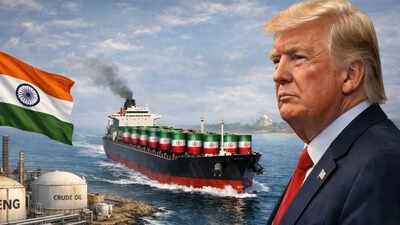
If chaos spreads inside Iran, it could affect many other countries too. Iran has already shown it can hit nearby places and disturb important routes like the Strait of Hormuz, where a lot of the world’s oil passes through. If fighting gets worse, it could cause problems for many countries and make life more difficult around the world.
Countries in the Gulf region are especially worried. They did not start the war, but they could still suffer because of it. They are asking everyone to calm down, but so far, no one is really listening.
So, even though the war started with strong and confident moves, it is now in a dangerous stage where the future is unclear—and things could turn out much worse than anyone expected.
Disclaimer
Views expressed above are the author’s own.
END OF ARTICLE