
 Vinay Kumar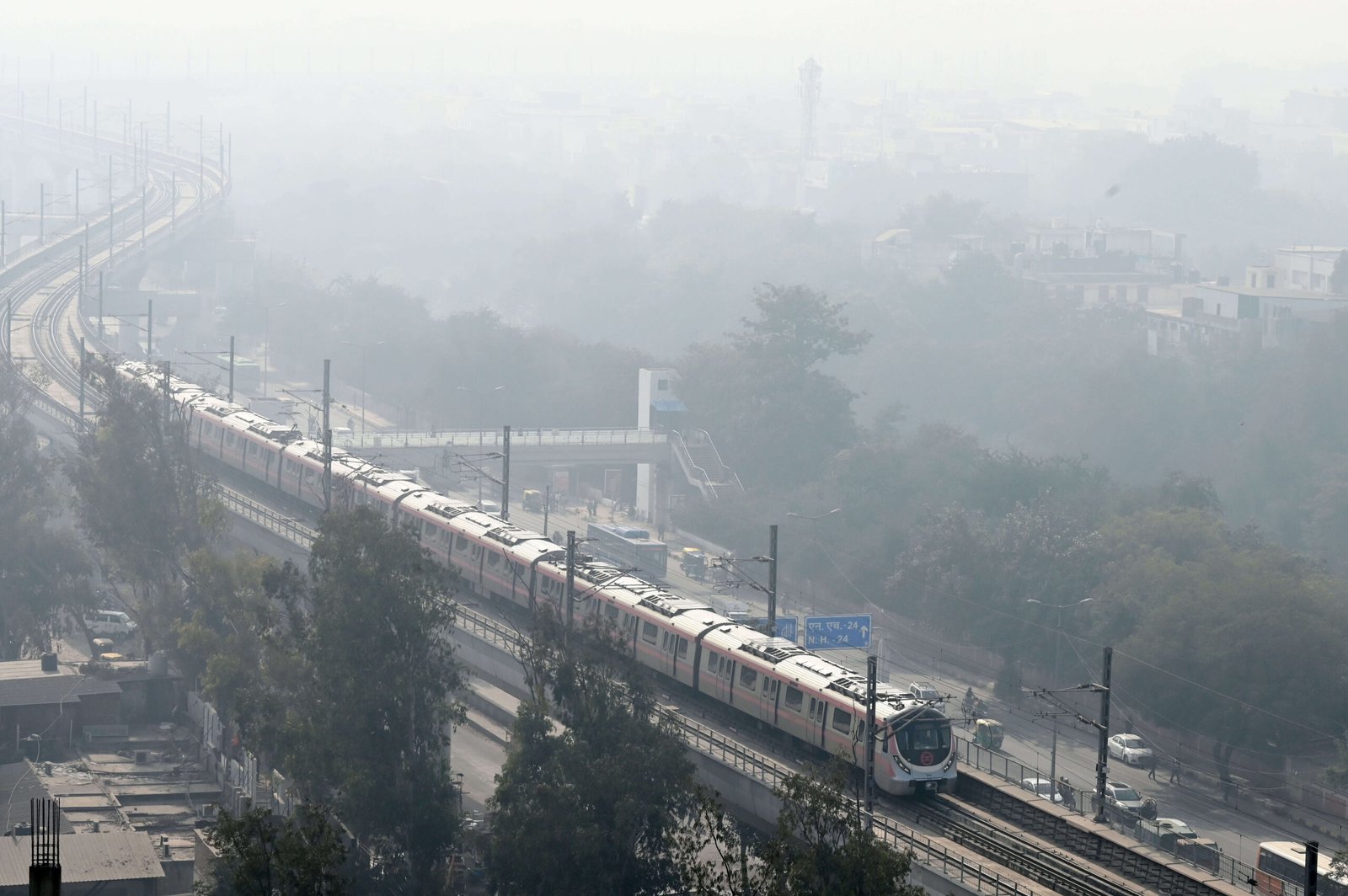
We have mastered predictable panic. Every winter, Delhi’s air turns toxic on schedule. Schools close, offices empty and construction freezes. The timing and meteorology are understood, yet like clockwork, we respond as though ambushed: with emergency bans. We blame the weather, promise action, then quietly wait for next winter’s repeat performance. Air pollution is no longer environmental theatre. It is a public health emergency.
This is not just about health; pollution is a silent tax that makes everything harder, preventing Delhi from becoming a city where clean air attracts talent, drives productivity, builds cultural capital, and signals credibility.

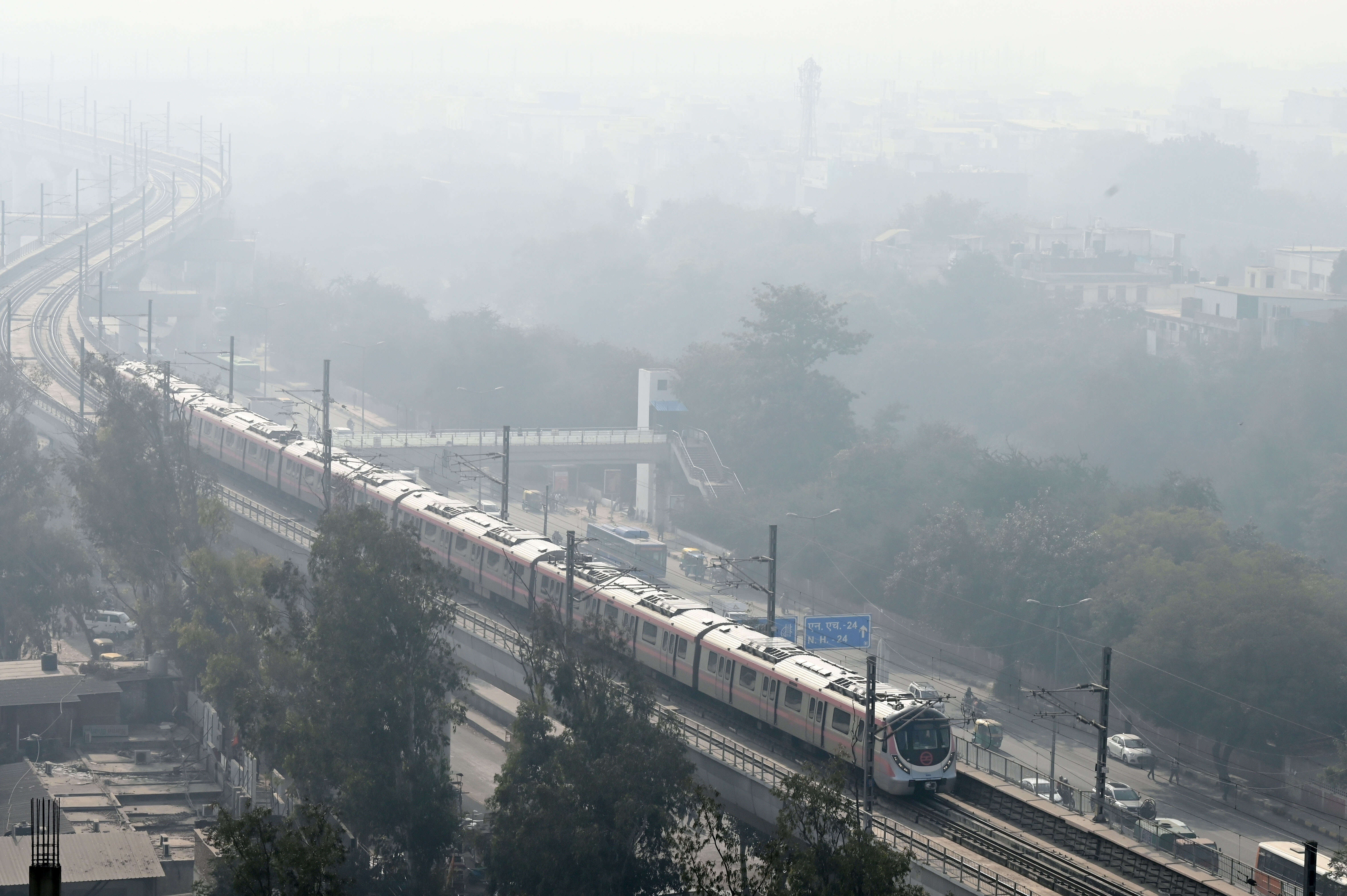
This problem, unfortunately, is partly geographical. Delhi sits between the Thar-Aravalli desert and Indo-Gangetic plain; when winds stop, the basin traps dust and pollutants. As youngsters, we saw dystopian movies where the air was thick and coloured grey and orange; on some days, this is how the city’s air now looks!
Delhi’s deeper problem, however, is institutional. Delhi, Gurugram, Faridabad, Noida and Ghaziabad have one common airshed, where pollutants move across freely (as they do through India’s borders in the west). Enforcement, sadly, is not common: responsibility fragments, accountability dissolves, and “not my jurisdiction” becomes the official language. Given this complexity, it is convenient to blame various authorities; yet they are making efforts, albeit sporadic, and without sustainable outcomes.
There is much to learn from global cities that have escaped their own smog traps. London cleaned up after the Great Smog of 1952, pushing the city away from dirty coal, then later pivoting when vehicles became the dominant problem. Pittsburgh treated smoke and smog as a punishable offence, Beijing shut or relocated heavy industry and changed the energy mix. Dubai landscaped verges and medians to prevent dust. Each city successfully treated blue-sky days as a deliverable.
Delhi has six main sources of pollution: desert sand, loose soil, construction site materials, liquid and solid waste, transportation, and polluting industries; addressing each source is concurrently necessary. Take dust: Delhi sits at a desert’s edge. Dust is inevitable, so it is essential to fix unpaved shoulders, stabilise verges and mandate covered trucks, implement vacuum sweeping, compact materials and find positive uses for dust in various forms. Beyond outdoor sources, we must also acknowledge that indoor air remains unmeasured in most buildings and is often as unclean. It would be useful to incentivise buildings that are “clean-air shelters” by design — better ventilation standards, filtration with positive pressure, and routine monitoring.
There is also a need to be honest about scale. This is a multi-year, multi-agency, multi-lakh-crore rebuild of an urban operating system in which all of us have a role. We must also acknowledge that while court orders can drive compliance, the heavy lifting must come from administrators (rules and plans announced early, enforced evenly and funded honestly), supported by businesses, citizens, and civil society, each with a clear responsibility.
Vehicle policy needs clarity and predictability. It is as important to retire highest-emitting old vehicles as it is to push clean mobility. EVs must be one lever among many. Similarly, crop residue burning must be addressed at source, with economic logic, not moral lectures. Farmers burn because it is fast and cheap. The solution must make “not burning” faster and cheaper — through equipment access, residue markets, and payouts tied to verified outcomes.
The playbook must deepen. Delhi needs faster transition to clean public transport, dependable last-mile connectivity on both ends, and cleaner freight movement. This is possible through parking policies, congestion management, and carpooling. Conversely, actions that undermine these efforts ought to incur financial costs on users.
Green infrastructure should scale systematically, but with ecological intelligence. The Baansera bamboo project on the Yamuna floodplains demonstrates positive impact when land serves as a pollution sponge rather than decorative greenery. But since bamboo may not be ideal for the region, micro Miyawaki forests with local flora (especially those that clean the atmosphere and sequester more carbon) can be a useful alternative. Separately, some industries simply do not belong in a dense basin with a winter inversion layer. Relocation, cleaner fuels, and strict emissions monitoring must be mandatory.
The Commission for Air Quality Management must have teeth, data, and operational authority across NCR. Currently, Delhi has 46 active monitoring stations and seven manual ones, with each covering only 12-15 sq. km. We should instead split the entire 55,000 km NCR (which includes districts across Haryana, UP, and Rajasthan), into manageable zones and constantly monitor each with follow-up action.
The economics must shift permanently. Subsidies, pricing, procurement, and contracts need alignment so that clean choices win by default. A construction contractor who cannot control dust and hand over a project that is clean inside, outside and the vicinity should be penalised or not be operating. None of this is a technical mystery and merely requires determined political commitment, civic resolve, and social discipline, with full involvement of the govt and citizenry.
Delhi’s air will not improve because of one winter’s emergency measures. It will improve when we treat it as it is: one city, one airshed, one shared problem — and when we run clean air like a serious capital runs security: preemptively, predictably, and without excuses.
Munjal is chairman of Hero Enterprise
Disclaimer
Views expressed above are the author’s own.
END OF ARTICLE