Vinay Kumar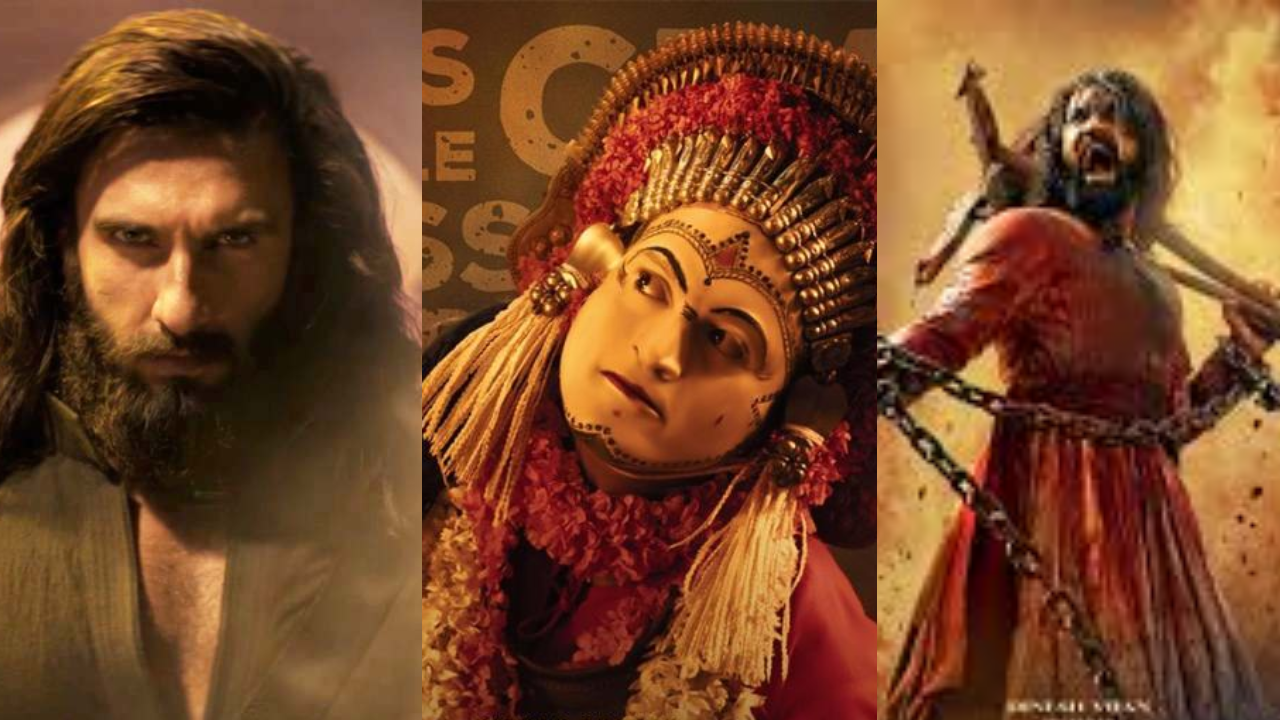
2025 has been a year where Indian cinema finally stopped trying to copy the West. The three biggest box office hits of 2025- Kantara Chapter 1, Chhaava, and Dhurandhar- found gold in our own folklore, history, and grit. These films not only achieved remarkable commercial success but also connected with pan-Indian audiences. The plot of these movies focussed on nationalistic and culturally rooted narratives. Their multilingual presentations and storytelling style expanded their reach beyond the usual traditional market and attracted bigger audiences to cinemas. They have restored faith in movie theaters in the time of the growing popularity of OTT platforms.
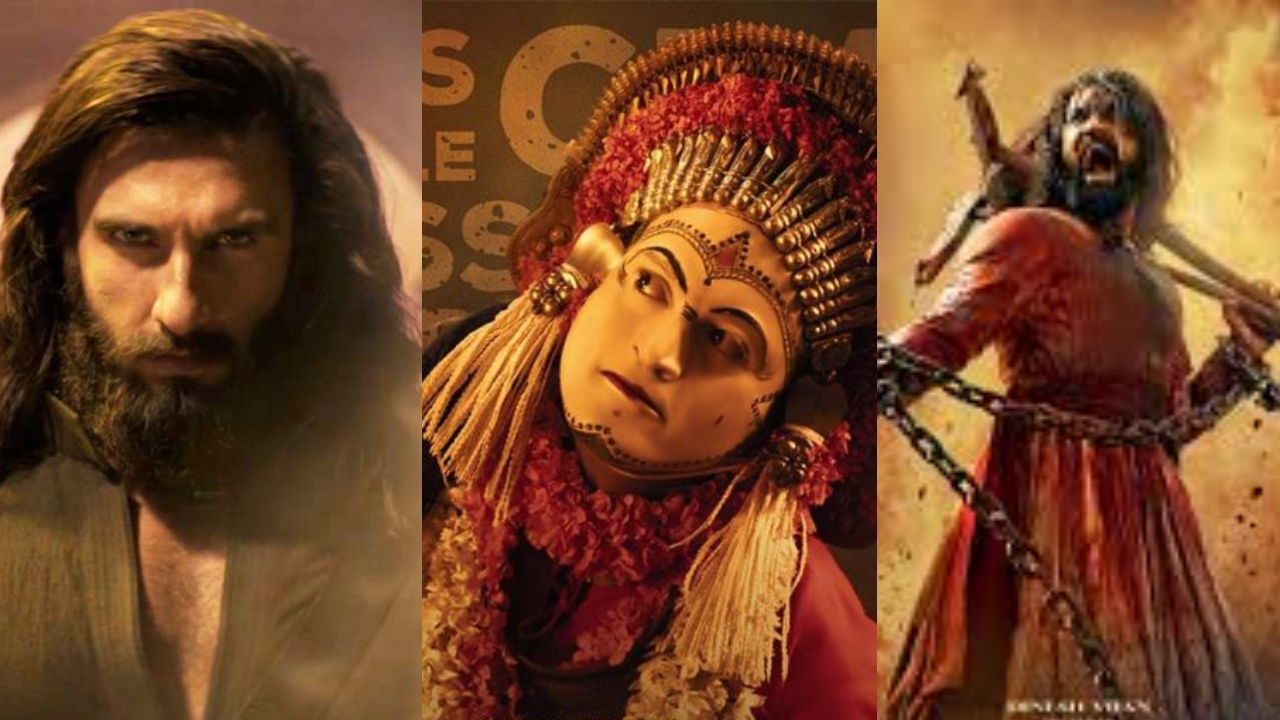
First, Rishab Shetty’s Kantara: Chapter 1. After the global shockwave of the first film, many expected a bigger, louder sequel. Instead, we got a glimpse of the Kadamba dynasty. It’s more than just a prequel. It’s a vibe of its own kind. The story root is very local. Kantara Chapter 1 explores the Bhoota Kola traditions and the conflicts between humans and nature rooted in the mythology of coastal Karnataka. What we experienced is just not cinema but our own culture, our roots, a unique folklore. This film is redefining cinema by proving that Pan-Indian doesn’t mean generic. It proves that the more the story smells of its own soil and speaks of its own gods the more universal it becomes. It has also taught the industry that folklore isn’t just a part of cultural history it could also be a cinematic spectacle. Rishab Shetty didn’t merely tell a story; he utilized folklore as a technical perspective. Kantara: Chapter 1 sets a new benchmark in cinematography, sets and sound design for creating an awesome world.

An adaptation of the Marathi novel by Shivaji Sawant Chhaava is a masterclass in legacy branding. It depicts the bravery of Chattrapati Sambhaji Maharaj. But creating the life of Sambhaji Maharaj on that grand scale? That’s the reason we go to theatres. That’s why we cheer, we whistle, and we line up for the first-day-first-show.
Director and cinematographer Laxman Utekar and Vicky Kaushal just raised the bar. The film beautifully balances the grand scale of war with the emotional depth. It shows the emotional cost of empire-building. The film successfully humanizes a glorious historical figure and connects instantly with western part of the country. The modern cinematic techniques create a nationalistic appeal to Gen Z’s craving for grand view.
Aditya Dhar’s Dhurandhar opted for realism. In an age of super-spies who jump off Burj Khalifa without a scratch or fight goons and mercenaries on the roof of high-speed running trains or aeroplanes, Dhurandhar gives us a taste of realism. The film has gripping Karachi settings. It showed us that an undercover agent’s life is defined by sweat, silence, and anonymity. This choice reshaped the thriller genre by focusing on psychological tension rather than flashy effects. The most cinematic element camera can capture is a human face under stress. Ranveer Singh and Akshaye Khanna didn’t just play characters; they lived a reality that felt uncomfortably and brilliantly real. By stripping away the glamour and the slow-motion romance, it redefined the Indian action thriller. It’s a film that proves Indian audiences are no longer just looking for escapist stories but the real feel of the secret world. After a long time, a film respects the Indian audience as an adult.
These films can be framed as case studies in how cinema converts identity, grievance and fear into emotionally satisfying narratives and box office successes. At the box office these movies hit the bull’s eye because they blend stunning visuals with a powerful emotional connection based on the themes of identity, belonging, and narratives of protection against threats. Today’s cine-goers are mentally ready to engage with these concepts. Kantara transforms a local tradition, land disputes, and tribal marginalization into a legendary battle where the deity ultimately safeguards the community and its forest and audiences feel that our gods and lifestyles are finally in the winner. Chhaava portrays Sambhaji as a brave protector of Swaraj and faith against Aurangzeb, connecting with Maratha pride and general sentiment regarding Mughal rule. It allows viewers to interpret it as a cinematic reclamation of our historical narrative. Dhurandhar presents a spy fantasy where an Indian agent demonstrates dominance over Pakistan, reflecting current geopolitical tensions. These stories provide emotional relief when the hero or deity finally makes things right. They convey to viewers that their regional, religious, and national identity is heroic, wronged, and now justified. It validates the audience’s collective ego.
These three films tell us one thing: The ‘formula’ is dead. Real winners are those who disrupted the status quo. Kantara: Chapter 1 serves as a prime example of moving from local to global appeal. When done with high quality, a local product can give a huge return on investment. Like literature, cinema also acts as a mirror to society’s current state of mind. There is a social appetite for these kinds of films. The theory here is that as a society becomes more politically aware and has greater access to information, it demands cinema that acknowledges systemic conflict and justify modern sentiments. The success of these movies also shows us that a unique selling point is cultural specificity. Thus, from the mystical forests of the south to the gritty streets of the north or the blood-soaked pages of our past, a part of the journey of Indian cinema in 2025 is unapologetically Indian.
Disclaimer
Views expressed above are the author’s own.
END OF ARTICLE