Vinay Kumar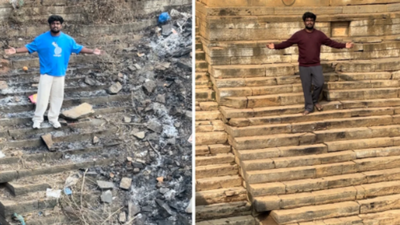
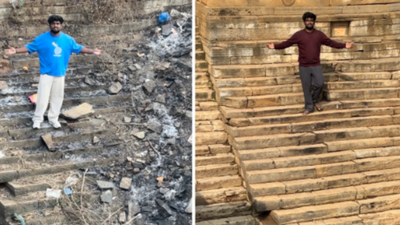
For years, an ancient stepwell in Andhra Pradesh’s Peapully Mandal lay buried under layers of garbage. What was once an important water structure had slowly turned into a dumping ground, choked with plastic waste, discarded food wrappers, coconut shells, turmeric sachets, leaf plates, and flower garlands from temple offerings.The gradual erosion of the heritage site might have gone unseen, had it not been for the social influencer Abbayi Kanth. Frustrated by the state of the old well, Abbayi decided to create a video, not just pointing out the filth, but also pointing out the erosion of a historical site. His appeal worked.Within days, over 300 volunteers came forward under the banner of the Poorva Sampada Rakshaka Sena, an organization whose core activity is heritage protection. What followed was not a symbolic clean-up, but a coordinated restoration effort. People turned up with gloves, tools, and they climbed into the stepwell, clearing out heaps of waste and debris that had accumulated over the years.
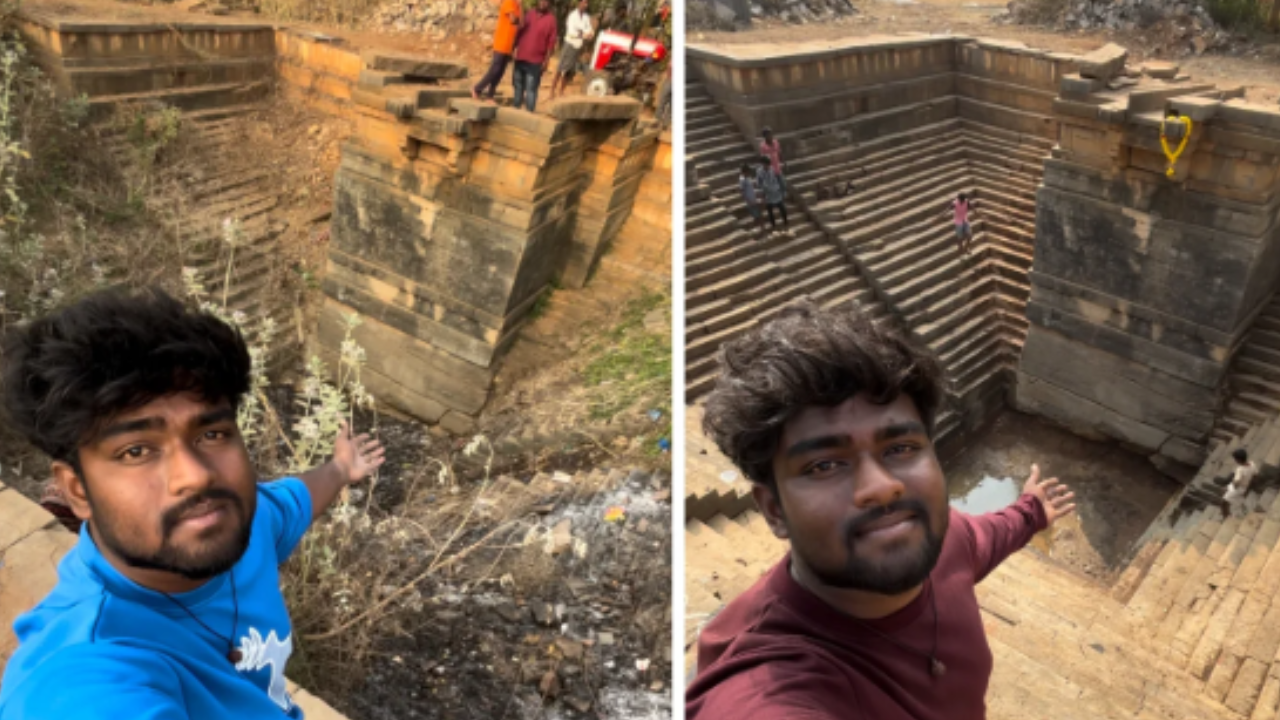
Telugu Abbayi Kanth/ Instagram
Teams worked in shifts, ensuring the cleaning was not confined to a single day. Plastic and organic waste were removed systematically. The stone steps, once hidden beneath dirt and refuse, gradually began to reappear. Videos circulating online showed villagers and youth groups washing the steps with water, carefully restoring the structure’s original form.For many in the Nandyal district, the stepwell had long been part of the landscape but not part of daily concern. With the passage of time, neglect had normalised its condition. The revival effort changed that narrative. Local residents, first-time volunteers, and youth groups were seen working alongside Kanth, united by a shared purpose: to reclaim a piece of their history.Read more: Guess the place: There are no traffic lights in this capital cityWhat stands out in this initiative is that it was driven not by official directives, but by community will. The restoration was a citizen-led movement, proving how quickly collective action can reshape neglected spaces when people decide something matters.The work did not end with the removal of garbage. To ensure the stepwell does not slip back into neglect, organisers have begun spreading awareness among locals and visitors. Community engagement drives are being conducted to emphasise responsible waste disposal and respect for heritage spaces. Signage is being introduced around the site to remind people that preservation is a shared duty. The transformation has drawn widespread attention on social media, where many users praised the volunteers for their efforts. Comments described the group as “unsung heroes” and celebrated the initiative as a hopeful example of community spirit. The story quickly went viral, striking a chord with those who see heritage conservation as a collective responsibility rather than a task reserved for authorities.Read more: European Commission unveils first-ever EU Visa Strategy: What it means and how it could affect travelThese step wells have historically provided essential water supplies and community meeting places in many areas of India. Additionally, these buildings symbolize ingenuity and continuity in Indian culture. Therefore, the degradation of these wells is not only physical but also symbolic.A renewed Peapully stepwell is also a reminder that conservation may begin with awareness. The once disappearing structure, covered and buried under waste, is now visible again, not just as a renewed structure, but as a sign of what can actually happen when people unite.