Vinay Kumar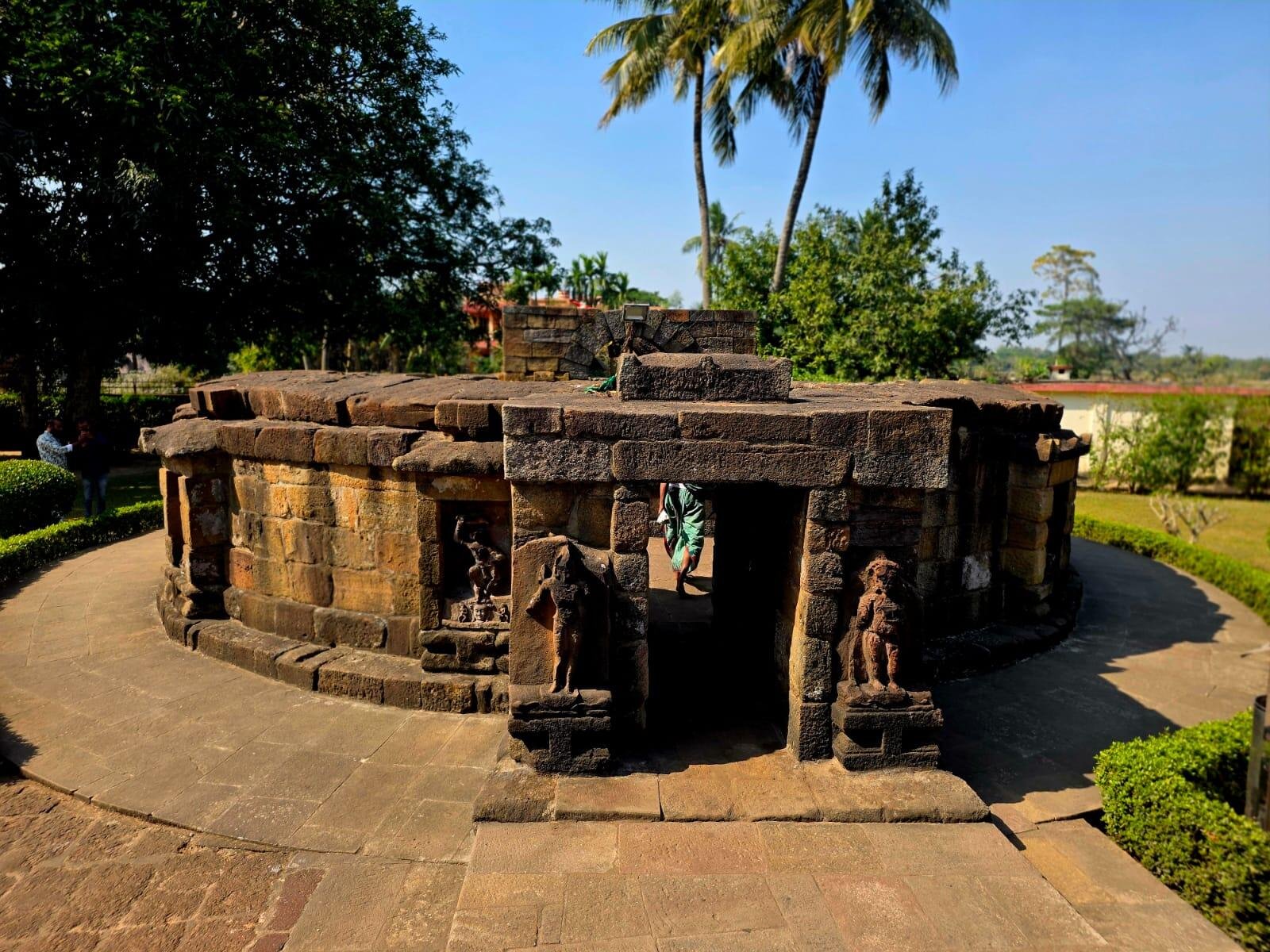
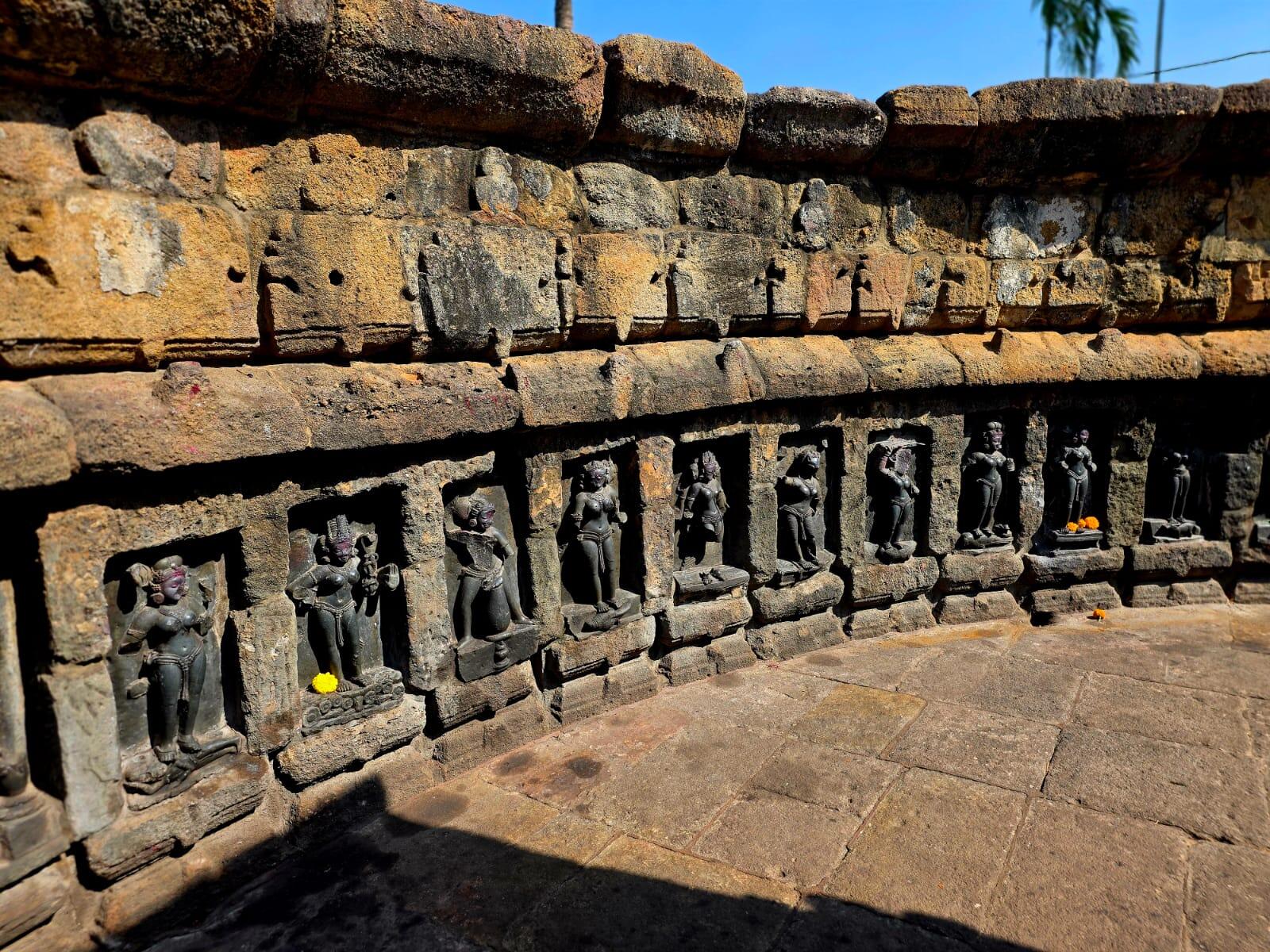
Recently, when I went to Bhubaneswar, Odisha, I visited the Chausath Yogini Temple (64 Yogini Temple) of Hirapur, also called the Mahamaya Temple, a UNESCO World Heritage Site. I was stunned. Hirapur’s Yogini temple is a Tantric shrine with hypaethral (roofless) architecture, as Tantric prayer rituals involve worshipping the bhumandala (environment consisting of all the five elements of nature—fire, water, earth, air and ether), and the Yoginis are believed to be capable of flight.
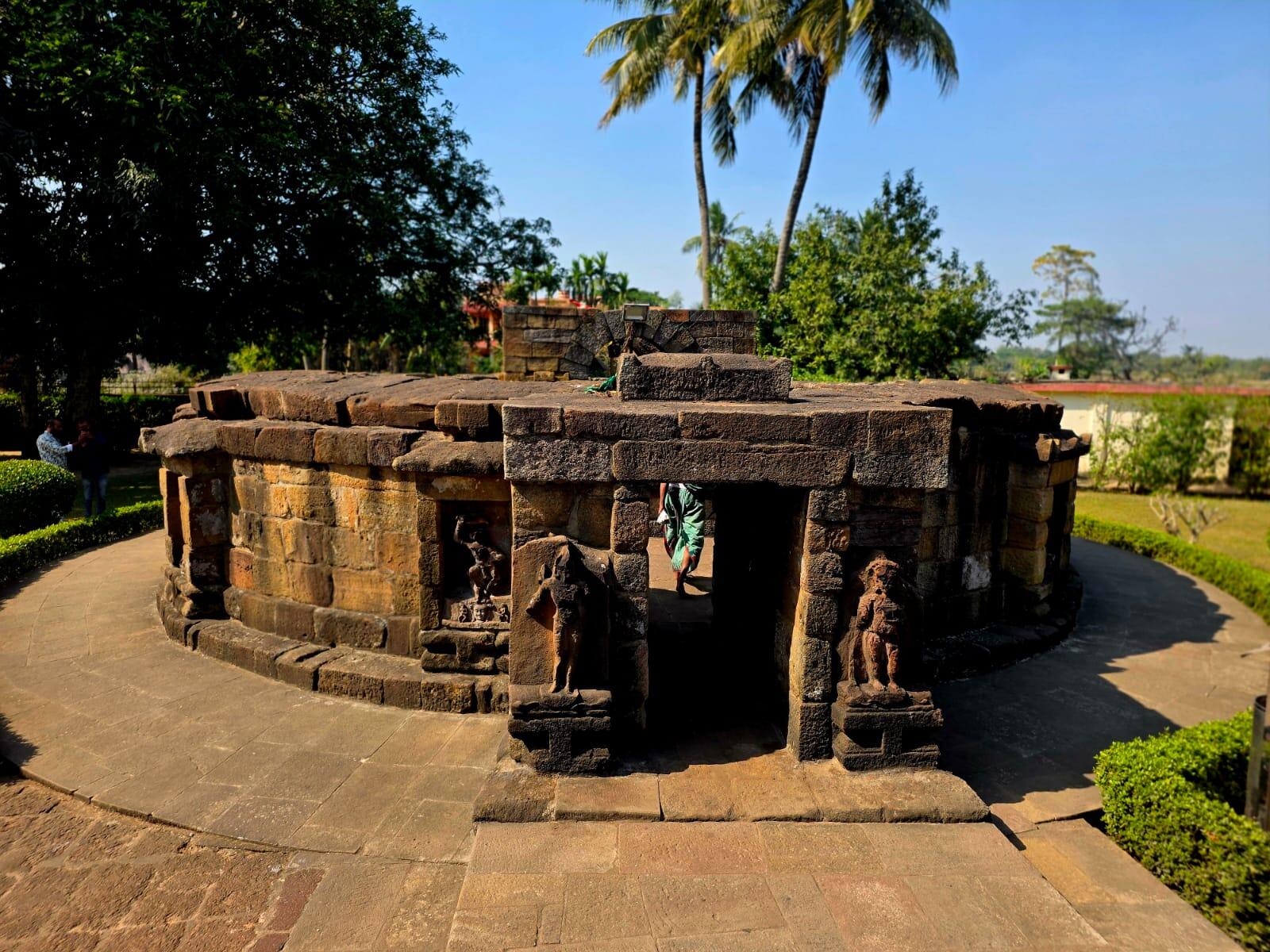

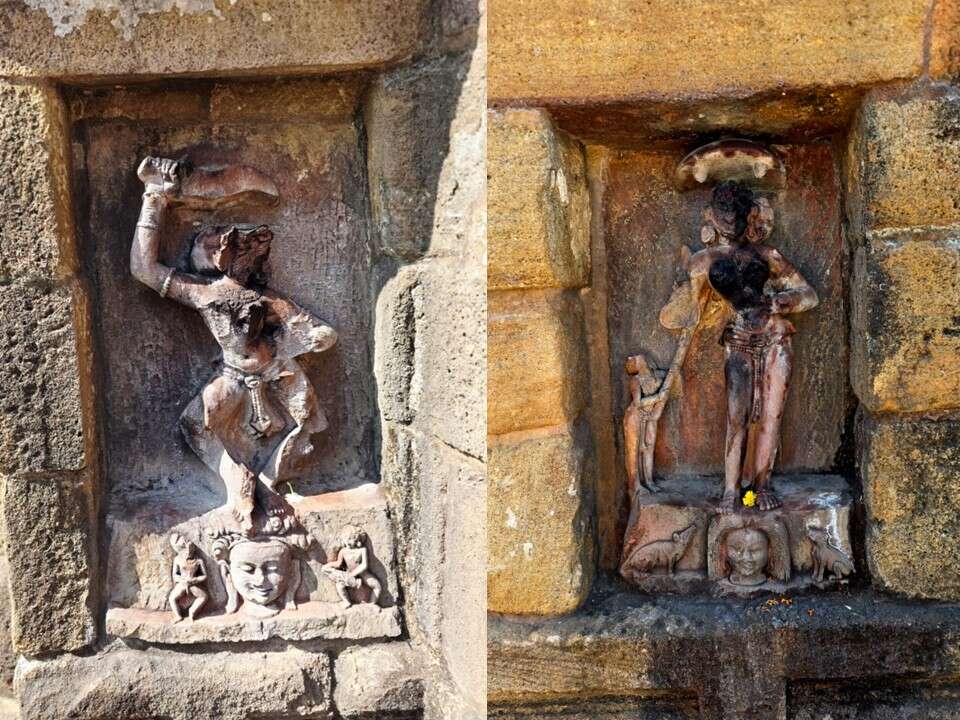
The Yogini idols represent female figures standing on an animal, a demon or a human head, depicting the victory of Shakti (eternal power). According to Hindu mythology, Aadi-shakti is the eternal power which came into existence on its own and then created everything by its will. Aadi-shakti (recognised as the goddess because of its motheristic character) is the supreme power. The idols express everything from rage, sadness, pleasure, joy, desire and happiness. The number 64 finds its reference in Hindu mythology.
The temple is small and circular, only 25 feet in diameter. It is built of blocks of sandstone. The inside of the circular wall has niches, each housing the statue of a goddess. Fiffy-six of the 64 idols, made of black stone, survive. They surround the main image at the centre of the temple, the Goddess Kali, who stands on a human head, representing the triumph of the heart over the mind. The temple seems to follow a mandala plan, in a way that concentric circles are formed, while a Shiva at the centre inside the inner sanctum is roundly surrounded by four Yoginis and four Bhairavas.
The Chausath Yogini Temple represents the Yogini Tantra current of medieval India (8th–10th century). Guru Padmasambhava (Guru Rinpoche) is deeply rooted in Vajrayana (Tantric Buddhism), Yogini Tantras, Dakini traditions, sacred feminine wisdom (Yeshe Tsogyal lineage).
The Yogini cults influenced early Vajrayana practices; the Dakini principle in Buddhism evolved in dialogue with Yogini traditions. Guru Padmasambhava mastered and transformed these Tantric currents into Buddhist Vajrayana. In Vajrayana, Yogini (Hindu Tantra) and Dakini (Buddhist Tantra) represent similar archetypes like sky dancers, wisdom energies, transformative feminine forces, guardians of secret teachings. Guru Padmasambhava is often depicted surrounded by dakinis, wrathful feminine energies. From an esoteric lens, the Chausath Yogini Temple represents the mandala of feminine cosmic power. Guru Padmasambhava represents the master of Tantric mandala energies. Both operate in the realm of sacred geometry, Charnel ground symbolism and non-dual transformation.
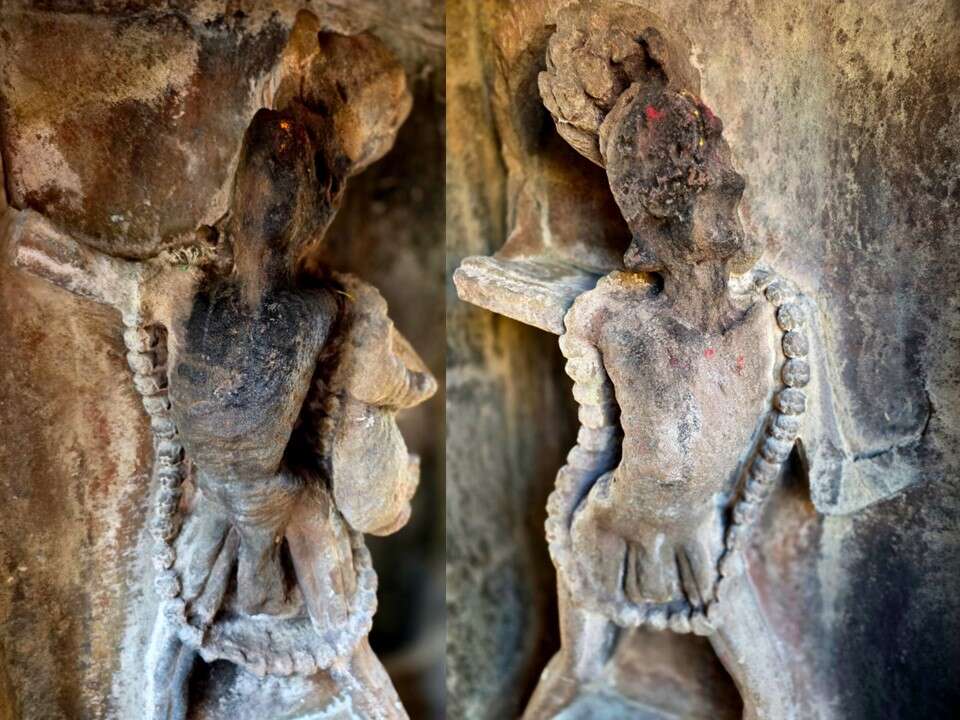

The highest class of Buddhist Tantras practiced by Guru Padmasambhava are called Yogini Tantras. In Shakta Tantra, it is Yogini; in Vajrayana Buddhism, it is Dakini. Energetically and symbolically, they represent the same archetype: sky-dancing feminine wisdom, guardians of secret teachings, initiators into non-dual realisation, fierce compassion. Guru Padmasambhava is inseparable from dakinis like Yeshe Tsogyal (wisdom consort) and Mandarava. The Eight Great Charnel Grounds are wrathful feminine protectors.
The Yogini temples were connected to cremation-ground rituals, skull symbolism, bone ornaments, and transcending fear and death. Guru Padmasambhava is described as meditating in charnel grounds, subduing spirits and yoginis, receiving secret teachings from dakinis, and manifesting in wrathful forms. The Eight Great Charnel Grounds in Tibetan iconography reflect the same Tantric landscape.
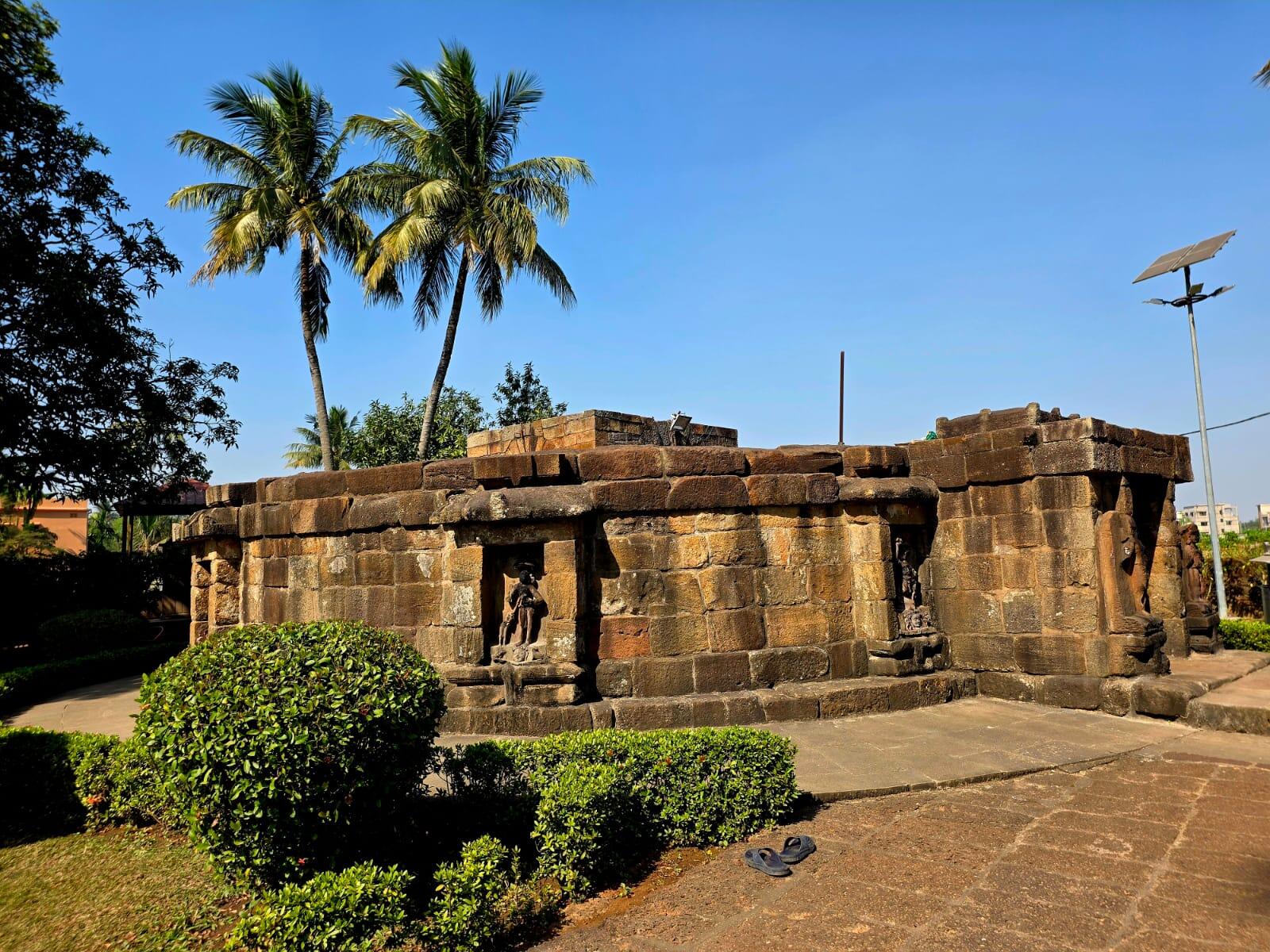
From a mystical perspective, the 64 Yoginis represent 64 aspects of awakened feminine consciousness. Guru Padmasambhava represents the master who integrates, transforms and liberates these energies into enlightenment. The Yogini circle is the field.
Guru Rinpoche is the Vajra master moving within that field.
There is a connection between the 64 Yoginis and the eight manifestations of Guru Padmasambhava in a mandalic way, esoterically and archetypally. In Tantra, numbers are symbolic: 8 directions. Each manifestation of Guru Rinpoche radiates 8 Yogini powers. 8 manifestations × 8 Yoginis = 64 Yogini energies.
The mandala structure is such that the 8 manifestations are the Vajra Axis and the 64 Yoginis are the Radiating Shakti Currents. Guru Padmasambhava is the still centre. The Yoginis are the dynamic movement.
The eight manifestations:
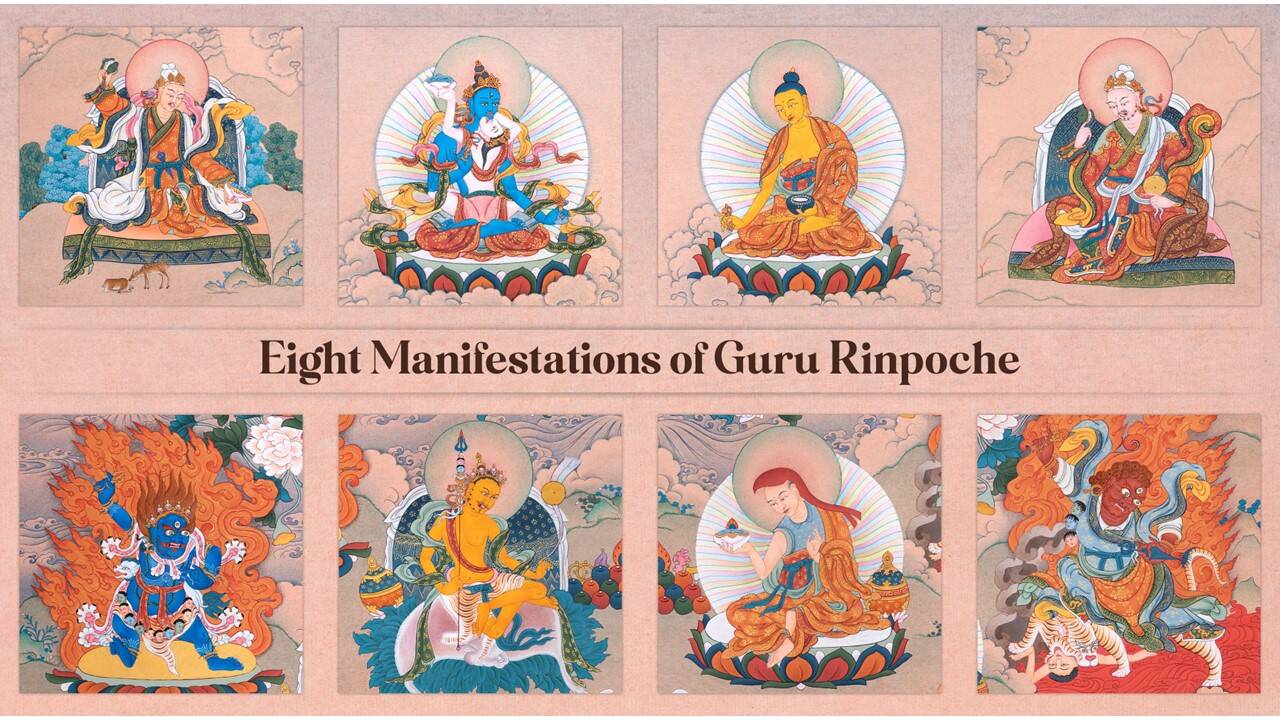

Guru Tsokye Dorje (Lotus Born – Primordial Emergence)
It represents spontaneous appearance; pure awareness arising from emptiness. His eight Yoginis symbolise the birth from void, creative Shakti, cosmic womb energy, primordial sound, elemental formation, radiant innocence, divine play and unconditioned wisdom. This corresponds to Yoginis as cosmic creators.
Guru Shakya Senge (Monk Form – Discipline and Renunciation)
It represents order within chaos, containment of power. His 8 Yoginis symbolise controlled fire, ethical restraint, sacred boundaries, purification, inner tapas, stability, subdued passions and focused awareness. Here Yogini becomes refined Shakti.
Guru Loden Chokse (Seeker of Supreme Knowledge)
It represents learning all systems, mastering philosophies. His 8 Yoginis symbolise wisdom streams, scriptural knowledge, mantra mastery, subtle intellect, esoteric sciences, sacred speech, Tantric transmissions and secret insight. Here Yoginis are embodiments of vidya (knowledge).
Guru Senge Dradok (Lion’s Roar – Subduer of Forces)
It represents power over negativity, fierce compassion. His 8 Yoginis symbolise wrathful protection, cutting ignorance, lightning force, storm energy, boundary guardians, charnel-ground power, fearlessness and karma purification. Here Yoginis appear as fierce protectresses.
Guru Nyima Ozer (Rays of the Sun)
It represents illumination, dispelling darkness. His 8 Yoginis symbolise solar radiance, clarity, insight flashes, aura purification, healing light, vitality, expansion and revelation. These Yoginis are luminous Dakinis.
Guru Pema Jungne (Lotus Arisen in the World)
It represents engagement with samsara, transformation of poison. His 8 Yoginis symbolize desire transmutation, death awareness, impermanence wisdom, passion purified, earth power, blood vitality, cycles of rebirth and earth–sky union. These reflect charnel-ground Yogini energies.
Guru Dorje Drolo (Wrathful, Riding the Tigress)
It represents subduing wild forces, shattering ego. His 8 Yoginis symbolise wild feminine power, ecstatic liberation, shock awakening, breaking structures, Kundalini surge, shadow integration, instinct mastery and raw primal Shakti. This is closest to Chausath Yogini temple energy.
Guru Pema Gyalpo (Lotus King – Royal Magnetism)
It represents magnetising blessings, harmonizing energies. His 8 Yoginis symbolize attraction, beauty, grace, devotional power, prosperity, harmony, charisma and heart expansion. Here Yoginis are benevolent and enchanting.
The 64 Yoginis represent the complete spectrum of Shakti. The 8 manifestations represent the complete spectrum of Vajra mastery. Shakti (dynamic power) and Vajra (unshakable awareness) = enlightened union. In inner practice, the 64 Yoginis are your 64 energies—emotions, instincts, desires, fears and talents. The 8 manifestations are the 8 ways consciousness transforms them. The 64 Yoginis are the dancing energies of life; the eight manifestations of Guru Rinpoche are the mastery of that dance.
Disclaimer
Views expressed above are the author’s own.
END OF ARTICLE