
 Vinay Kumar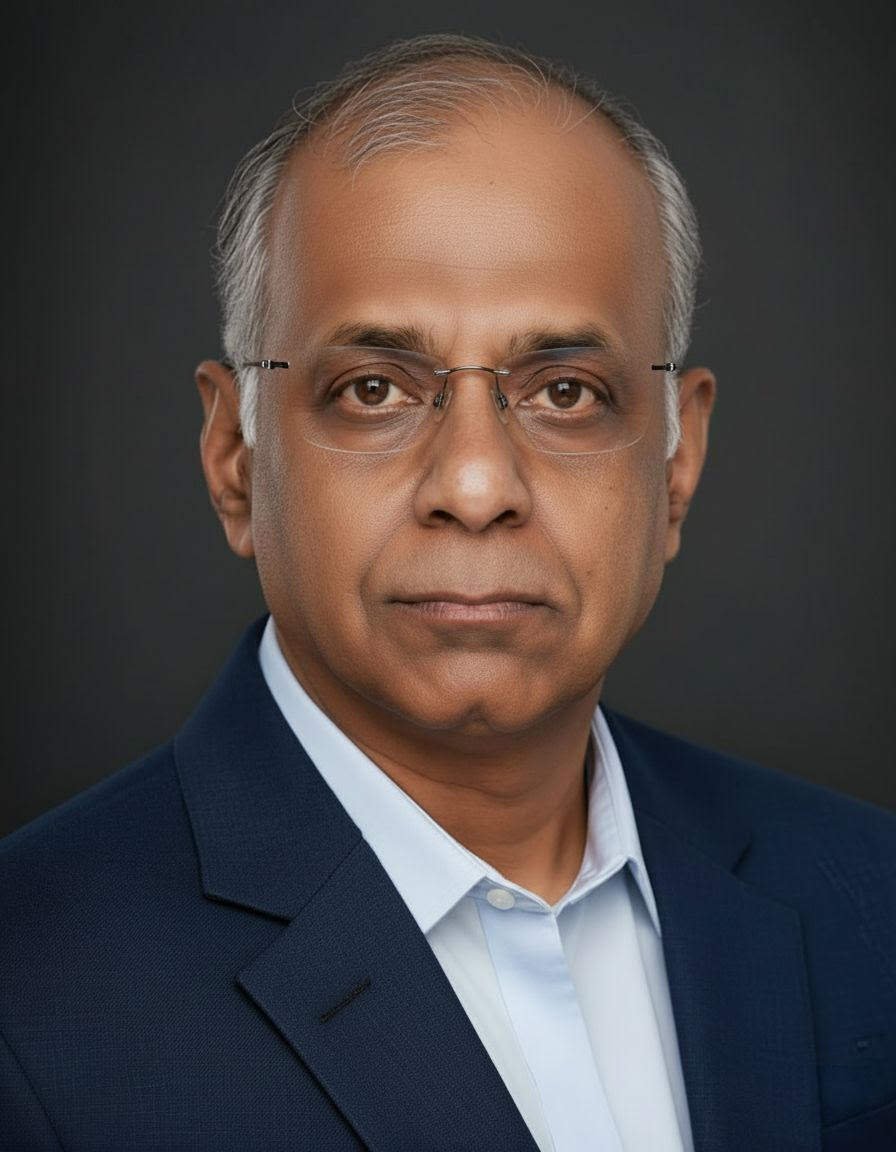
India gave the world yoga.
And yet, in many workplaces today, yoga has been reduced to a calendar activity — a session squeezed between meetings, a short-term wellness initiative, or something introduced only when burnout becomes impossible to ignore.
Corporate wellness is expanding. The intent is positive. But most efforts are still occasional. A workshop is organized. A few sessions are delivered. Energy rises briefly. Then gradually, organizations slip back into familiar stress patterns.
The reality is straightforward:
Resilience cannot be built in fragments.
It must be structured.
The core challenge in corporate India is not lack of willingness. It is lack of depth.
Instructor standards vary widely. Oversight mechanisms are inconsistent. Measurement frameworks are unclear. Leadership involvement is irregular. HR alignment often remains superficial.
When yoga is positioned as an activity rather than an institutional framework, it stays peripheral. It is appreciated — but not embedded.
So the more relevant question is no longer:
“Should companies offer yoga?”
It becomes:
“How do we build resilience into the system — and measure it as a performance metric?”
That reframing changes everything. It shifts responsibility — not only for corporates, but for yoga teachers as well.
If corporate yoga is to create real impact, it must evolve in phases. It should begin with a carefully structured pilot to build trust and gather measurable data. It must then integrate with departmental rhythms and leadership participation. Over time, it should become embedded within HR strategy — supported by reporting, accountability and governance.
At that point, yoga stops being a wellness add-on and becomes an organizational capability.
However, for this to happen, the yoga ecosystem must also mature.
India has no shortage of skilled yoga teachers. What many lack is structured access to institutional opportunity. Too often, teachers operate independently — dependent on studio schedules, seasonal demand or digital visibility.
If yoga is to enter boardroom discussions and HR budgets meaningfully, it must be delivered with professionalism, continuity and accountability.
This is where platforms like YogaYukt become significant.
YogaYukt is not a simple directory or listing platform. It is being built as professional infrastructure.
It introduces structured progression levels. It ensures transparent credential verification. It recognizes merit based on documented experience and contribution — not popularity.
And that distinction is important.
Expansion alone does not elevate a profession.
Accountability does.
Through verified profiles, visible progression badges and a defined empanelment pathway, teachers gain institutional credibility. Corporate partners are not searching for influencers. They are seeking professionals who can function within structured systems — who understand reporting discipline, align with organizational culture and deliver with consistency.
YogaYukt is uniquely positioned because it aligns both ends of the ecosystem.
For teachers, it provides:
Professional visibility rooted in authenticity
Transparent growth pathways
Access to structured corporate engagements
Revenue-sharing aligned with long-term programs
Recognition based on merit and contribution
For corporates, it delivers:
Verified instructor selection
Defined batch sizes and delivery standards
HR-aligned reporting templates
Quality oversight frameworks
Clear cost-per-employee transparency
This dual architecture — teacher credibility combined with institutional governance — enables resilience to be delivered systematically, not sporadically.
For yoga teachers, this calls for a mindset shift.
Instead of asking, “How do I secure more classes?”
The deeper question becomes, “How do I build credibility that compounds over time?”
When you operate within structure, reputation strengthens gradually. Trust accumulates. Opportunities scale sustainably.
Organizations today face sustained pressures — cognitive fatigue, sedentary strain, leadership stress and fluctuating engagement levels.
Yoga can support breath regulation, posture correction, emotional steadiness and energy balance.
But such outcomes cannot emerge from isolated sessions.
They require rhythm.
They require continuity.
They require standards.
Teachers who wish to shape the future of corporate yoga must be prepared to operate within such standards — not as gig-based vendors, but as accountable professionals contributing to long-term organizational resilience.
There is also a larger national context.
India’s civilizational identity is deeply connected to yoga. Yet economically, the profession remains fragmented. If yoga is to be meaningfully integrated into corporate systems — and potentially positioned globally as structured resilience architecture — its professional foundation must be strengthened.
Growth without standards leads to dilution.
Growth anchored in governance creates legacy.
Yoga was never designed as a casual intervention. It was conceived as a disciplined, intentional system of transformation.
For corporate India, the opportunity is to transition from episodic wellness to structured resilience.
For yoga teachers, the opportunity is to participate in a professional ecosystem that rewards merit, reinforces accountability and enables institutional scale.
The future of corporate yoga will not belong to those who expand the fastest.
It will belong to those who build responsibly.
The question is no longer whether yoga belongs in the workplace.
It is whether we — as teachers and professionals — are ready to elevate it from a vendor service to a foundational pillar of organizational resilience.
Disclaimer
Views expressed above are the author’s own.
END OF ARTICLE