
 Vinay Kumar
Rising temperatures are hurting people’s health, learning and productivity. This is a drag on the economy, but there’s no easy fix. We’ll need different strategies for each micro-region
India continues to face conventional national security threats from across its borders and within. But an equally serious, and far less visible, threat is intensifying in the background: extreme heat. Every summer, rising temperatures affect lives, livelihoods, power systems, water availability, agricultural productivity and troop readiness. Unlike floods, cyclones or earthquakes, heat rarely leaves behind dramatic visuals, yet affects vast parts of the country for long periods, making it one of India’s most under-recognised slow-onset disasters.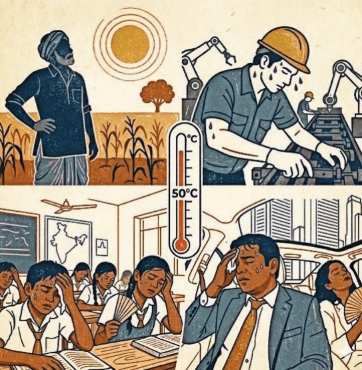
The latest IMD bulletin (May 21) shows scorching maximum temperatures across northwest, west, central and adjoining eastern and north-peninsular India, with the highest recorded at 48°C in Banda, UP. Delhi remains under heatwave to severe heatwave conditions through May 26. UP is under red warning, with IMD cautioning of a very high likelihood of heat illness and heat stroke across age groups.

Read full story on TOI +
Disclaimer
Views expressed above are the author’s own.
END OF ARTICLE