Vinay Kumar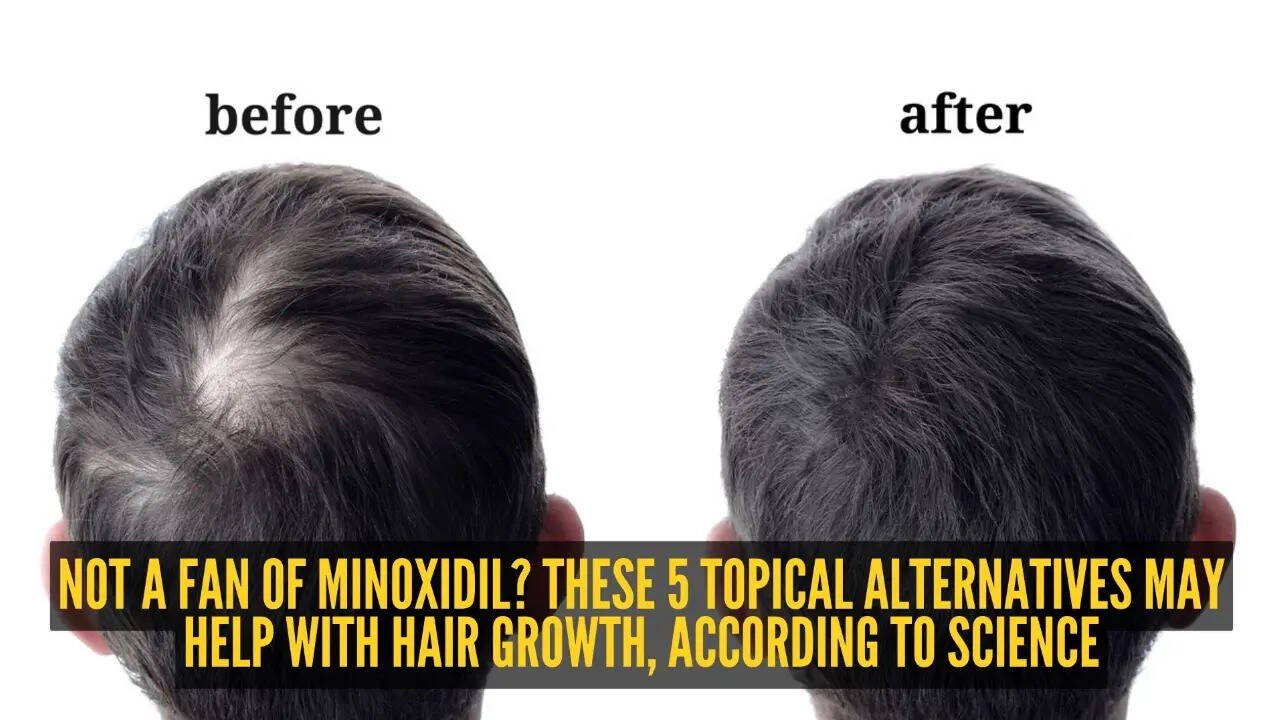
Probably not, at least not without speaking to your dermatologist.
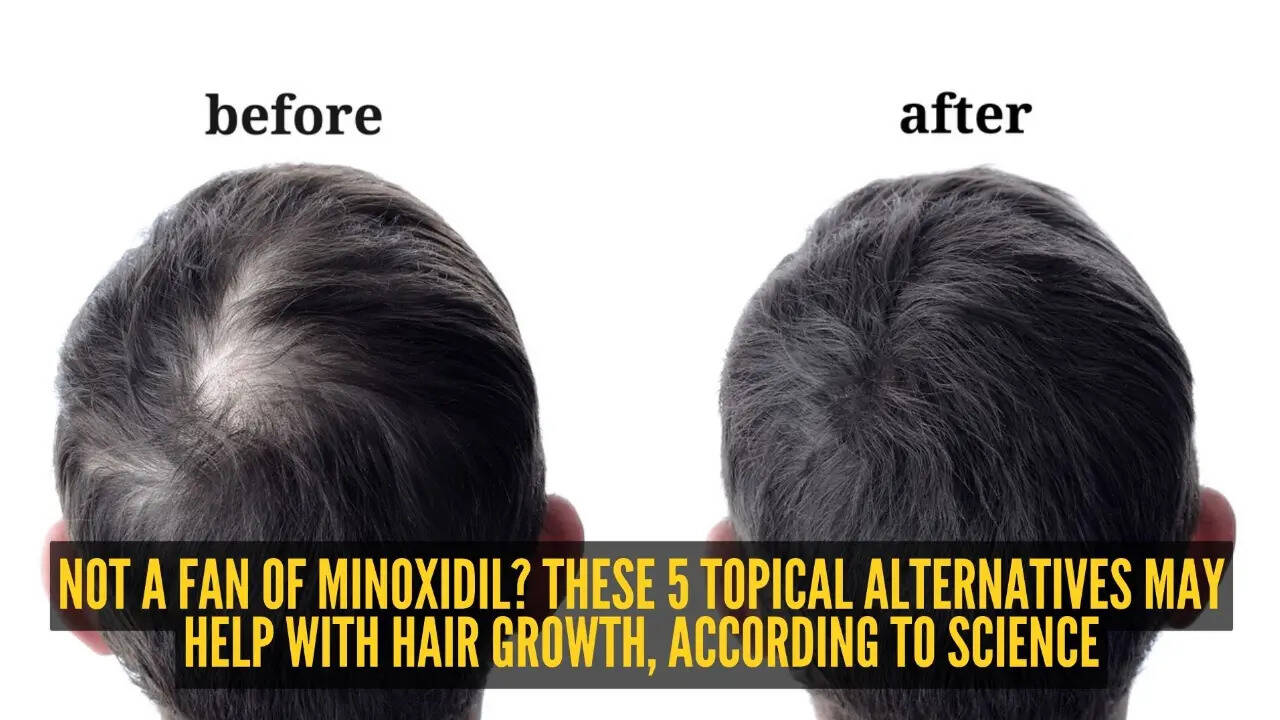
A large network meta-analysis published recently compared several over-the-counter treatments for androgenetic alopecia. The conclusion was fairly straightforward. While ingredients like rosemary oil, melatonin and peptide formulations showed encouraging results, 5% topical minoxidil still remained the most effective option overall.
That doesn’t mean the alternatives don’t work.
It simply means they shouldn’t be seen as direct replacements.
For someone with mild hair thinning, a peptide serum or rosemary oil may be enough. Someone else may choose to use these ingredients alongside a treatment plan recommended by their dermatologist.
Hair loss isn’t one-size-fits-all, and neither is the solution.
Don’t ignore the bigger picture
One of the biggest mistakes people make is assuming every strand of hair that falls out has the same cause.
In reality, hair loss can happen for dozens of reasons.
In India especially, dermatologists commonly see shedding linked to iron deficiency, vitamin D deficiency, thyroid disorders, PCOS, childbirth, crash dieting, chronic stress and even illnesses like dengue or COVID-19.
If the underlying problem isn’t addressed, changing shampoos or serums is unlikely to make a lasting difference.
That’s why sudden hair loss, bald patches or excessive shedding should always be evaluated by a dermatologist instead of relying only on social media recommendations.
Sometimes, the solution isn’t another bottle on your shelf. It could be correcting a nutritional deficiency or treating a medical condition.