
 Vinay Kumar

Here’s a scene that probably sounds familiar: it’s Sunday afternoon; you have just pulled a beautiful loaf out of the oven; the whole house smells amazing; and you are already thinking ahead to the week. So you wrap it up and put it right in the freezer while it’s still warm. Smart meal prep, right?Wrong. This is actually the worst thing you can do to bread before you freeze it.When warm bread gives off moisture as it cools, freezing that moisture causes it to condense and form ice crystals inside the loaf. The ice crystals are not passive; they actively break down the interior structure of the bread, and, as noted in the research, Impact of the chilling conditions on the kinetics of staling of bread, how moisture moves during freezing is the main reason for the crumb firming and the loss of that fresh-baked texture. What you get after thawing is a crumb that’s dry, crumbly, and nothing like the loaf you started with.Those crystals destroy the internal structure of the bread, and when you defrost it, you end up with a dry crumb that crumbles and is nothing like the fresh loaf you started with. The fix is almost ridiculously simple: just let the bread cool completely on the counter before putting it in the freezer. Yes, it requires patience, but it’s totally worth it!Your wrapping is probably letting you downIf you wrap bread in something that’s not air-tight, the loaf is exposed to air and moisture, which leads to freezer burn, that dry, off-tasting surface that makes you wonder why you bothered at all. According to the research published in the Journal of Food Sciences, the primary function of packaging is to act as a barrier to moisture and oxygen. Without a good barrier, food quickly goes through sensory degradation, the scientific term for your bread losing flavour and getting that nasty freezer-burnt texture. So double protection isn’t just extra. A tight layer of plastic wrap followed by aluminium foil, or a heavy-duty freezer bag specifically designed for freezer storage, is genuinely the move here.A tight seal will also prevent your bread from absorbing the flavours of everything else in your freezer, because nobody wants their sourdough to taste a little like last Tuesday’s leftovers.Squeeze out the air before you seal itThis is the step most American home cooks skip altogether, and it matters more than you think. Trapped air is your enemy, even if you use a good-quality freezer bag. As time goes by, oxidation from residual air changes the flavour and colour of the bread, making it taste stale and develop a dull, unappetizing crust. Get as much air out of the bag as you can before you seal it, or use a straw to suck it out. It’s ten seconds, and it makes a real difference in how well your bread holds up over weeks.
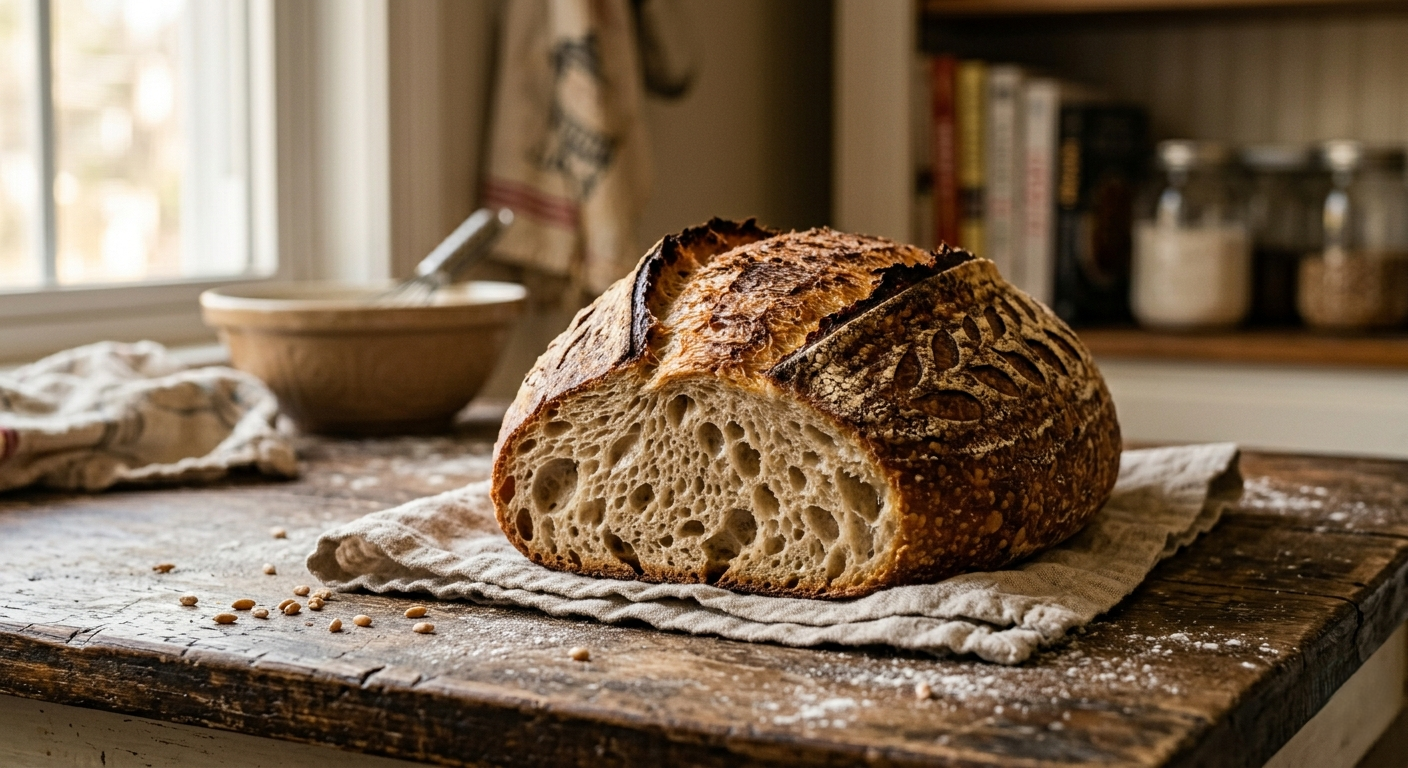
Cool, wrap, portion, seal: the four things standing between your loaf and a ruined texture.Image Credits: Google Gemini
Portion it out before it goes inFreezing a whole loaf at once feels efficient, especially when you are doing a big Sunday meal prep, but it actually works against you. Large portions freeze unevenly, and that uneven temperature shift causes moisture to separate in ways that degrade both texture and taste. Portions freeze faster and more evenly when they are smaller, even if you just slice the loaf before freezing. That means less ice crystal damage, and actually better bread when you’re ready to eat.The convenience bonus is that you can take out just what you need for Monday morning toast without disturbing the rest of the loaf.Refreezing will ruin everythingOnce bread has thawed, putting it back into the freezer is pretty much a countdown to a sad, rubbery slice. Each time the bread goes through the freeze-thaw cycle, it becomes softer and much more vulnerable to freezer burn and bacterial breakdown if it is frozen again. That’s exactly why it’s a great idea to portion before the first freeze; you are making sure you never have to refreeze in the first place.How you thaw it is just as importantThat’s where most people undo all their careful work. Leaving frozen bread out on the kitchen counter seems natural, but thawing at room temperature creates conditions that foster bacterial growth and can result in soggy, unevenly warmed bread. Better to leave it in the fridge overnight, or use the defrost setting on your microwave on a busy weekday morning when you’re already running late.Not all bread survives the freezer equallyOne thing to keep in mind when you are at the grocery store or farmers market: breads with high moisture content or delicate crusts tend to lose quality in the freezer more quickly, while denser options like sourdough or whole wheat hold up significantly better through the freeze-thaw cycle. If you are stocking up your freezer for the week ahead, you would be better off with the sturdier loaves.Freezing bread well isn’t hard; it just takes a little more intention than most of us were ever taught. Cool it thoroughly, wrap it properly, portion it before freezing, and thaw it properly. Your future self will thank you as you scramble to put breakfast together on a Wednesday morning.