Vinay Kumar
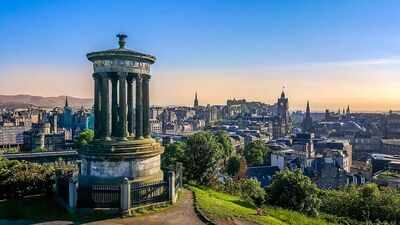
Edinburgh’s name has been debated for centuries because it reflects a much older history than the city itself. The modern spelling emerged only after generations of linguistic change, with influences from ancient Brittonic communities, Anglo-Saxon rule and medieval Scotland. Rather than pointing to a single founder or event, the name preserves evidence of the different peoples who occupied the area over many centuries. Historians generally agree that the city’s volcanic setting shaped its earliest development, but the story of its name is less straightforward. Early records, later traditions and changing political control all contribute to the explanation, leaving Edinburgh with a place-name that carries traces of several different eras.
Edinburgh name origin : Din Eidyn, the earliest known name
pc: wikipedia
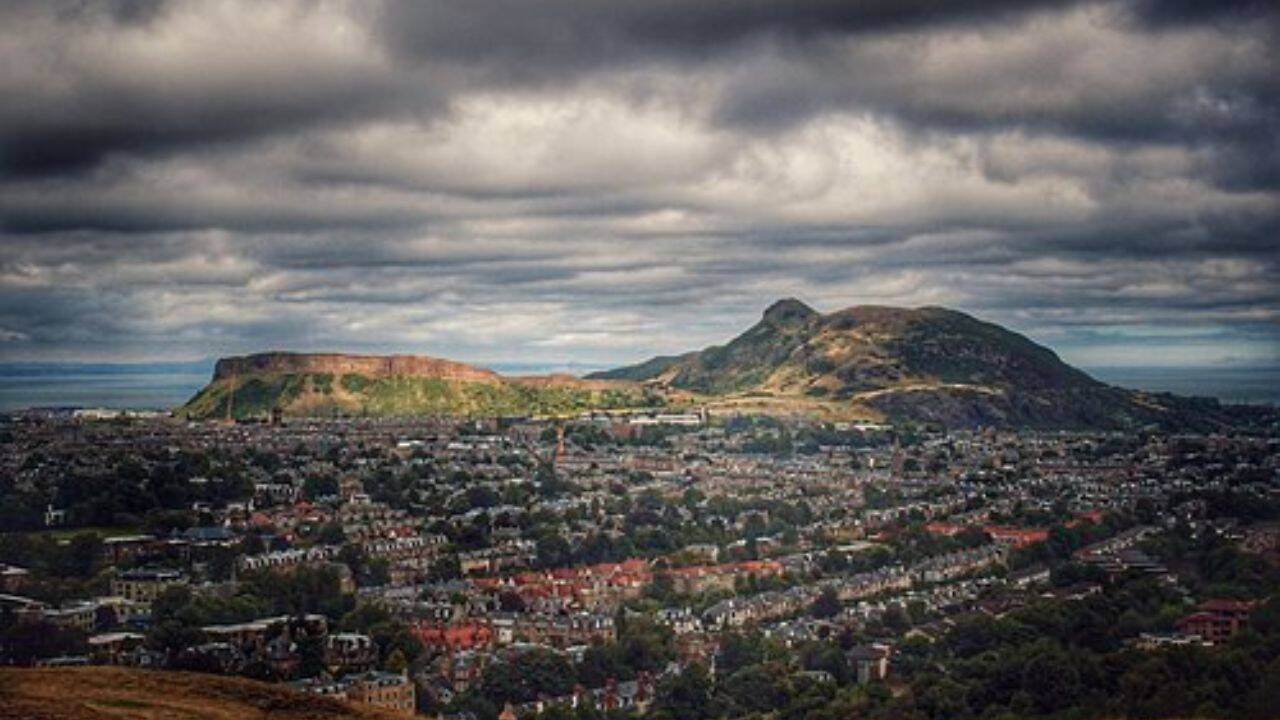
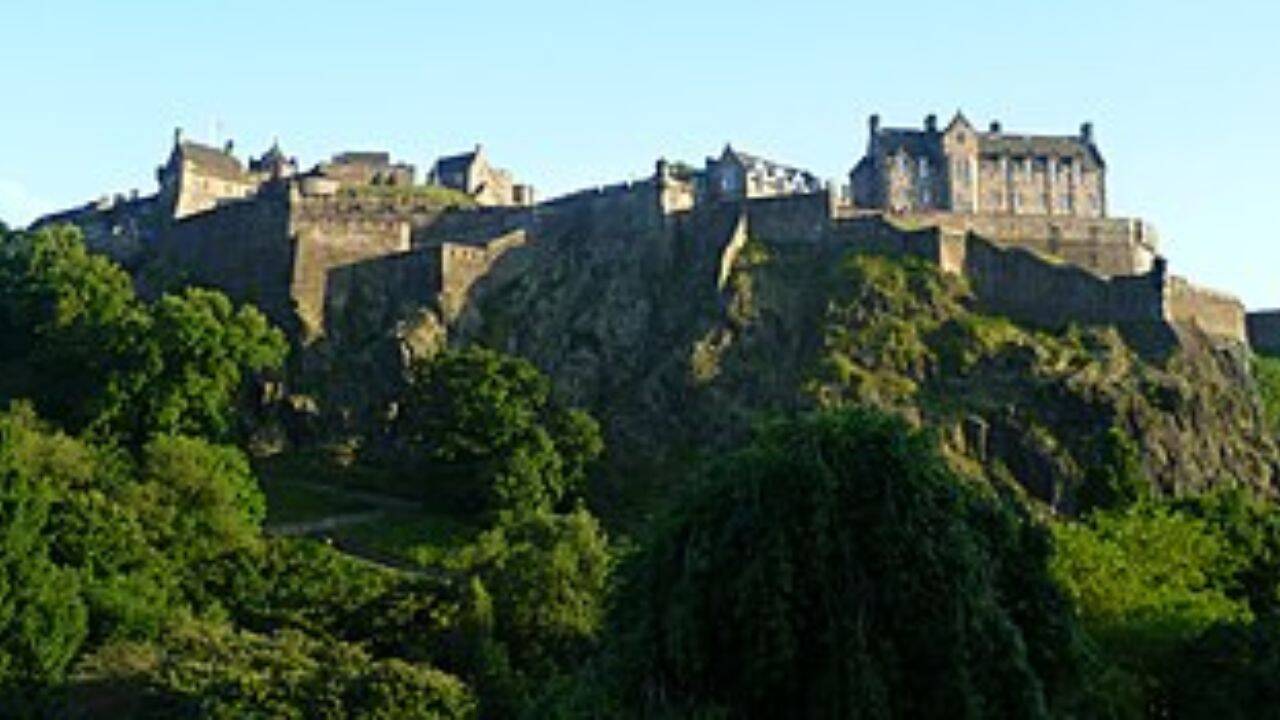
The earliest known name linked to the settlement was Din Eidyn, a Brittonic name used long before medieval Scotland emerged. According to Historic UK magazine, the settlement was already referred to in this form around AD 600, when it served as a hillfort belonging to the Gododdin kingdom. The first element, din, meant a fortified place, while Eidyn referred to the surrounding territory rather than a person.Its location explains why people settled there so early. The fortress occupied the volcanic crag now crowned by Edinburgh Castle, giving defenders a commanding view over the surrounding landscape. According to Historic UK, the rocky outcrop itself was originally recognised simply as Castle Rock, reflecting its natural defensive value.
Did King Edwin give Edinburgh its name
pc: wikipedia
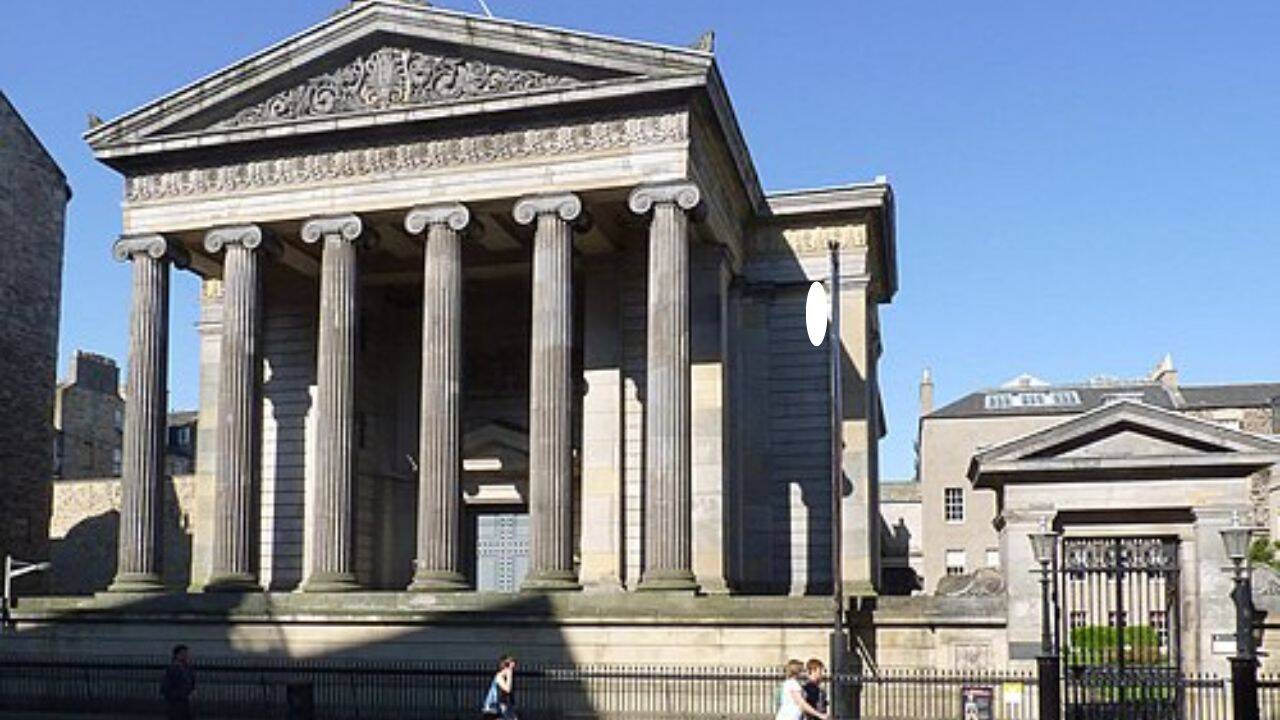
One of the best-known explanations suggests the city was named after King Edwin of Northumbria, who ruled during the seventh century. Under this interpretation, Edinburgh developed from “Edwin’s burgh”, with burgh meaning a fortified settlement.According to Historic UK, this explanation remains popular but is unlikely to tell the whole story because versions of the name existed before Edwin’s reign. The earlier use of Din Eidyn suggests that the settlement already possessed a recognised identity before Anglo-Saxon influence spread across the region.Instead, many historians believe the existing Brittonic name was gradually adapted into Old English as political control shifted. Rather than creating an entirely new place-name, Anglo-Saxon rulers appear to have reshaped one that local communities already used.
How Din Eidyn became modern Edinburgh
pc: wikipedia
Place names often evolve as different cultures occupy the same landscape, and Edinburgh is no exception. Over several centuries, Din Eidyn slowly transformed through changing pronunciation and spelling before developing into the modern name.Edinburgh’s early history reflects continuous change rather than a single defining moment. As the city expanded from its defensive crag, successive generations adapted its language and identity alongside its physical growth. According to the BBC, the settlement’s modest medieval beginnings eventually gave way to a larger capital, but its ancient origins remained embedded in its name.The ending burgh, introduced through Old English, eventually became attached to the older name, producing the form recognised today. This gradual process is typical of many historic British place names that developed under different kingdoms and languages. Edinburgh became Scotland’s capital in 1437, yet its name reaches back many centuries earlier. According to Historic UK, the survival of the older Brittonic form demonstrates that the settlement existed well before medieval Scottish kings established the city as their political centre.