
 Vinay Kumar
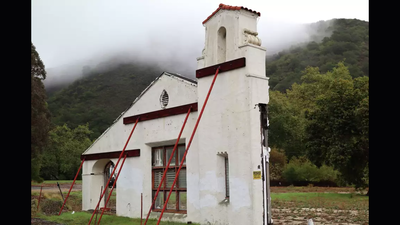
The birthplace of modern road-trip culture is back on the market, giving buyers the chance to restore a landmark of hospitality history or redevelop it into housing for older residents.Located along Highway 101 in San Luis Obispo on California’s Central Coast, the historic 4.2-acre site where the world’s first motel opened in 1925 is up for sale for the first time in nearly a decade.Local developers CoVelop and Rossi Enterprises, who bought the property in 2017, have listed it for sale through Hayes Commercial Group. SFGATE reported on Friday that the listing does not include a fixed asking price, reflecting the different development options available to potential buyers.
Flexible choices for developers
The property is being offered as a shovel-ready site with existing city approvals for an 83-room hotel with a swimming pool. Marketing materials from the brokers also suggest building an assisted living facility for older adults or developing a mixed-use residential project.“Someone can come in and build the existing hospitality project or someone could come in and scrap it to build assisted living. They could build a four-story, potential several-hundred-room assisted living project. Or it could also become mixed-used, multi-family,” Nolan Tooley, listing agent at Hayes Commercial Group, told SFGATE. “Each one of those projects results in a different value.”The current owners, both Cal Poly graduates, spent nearly 10 years securing permits and meeting planning requirements for the site. “Hospitality is not their bread and butter,” Tooley told SFGATE. “They’d love to see it passed on to a builder that has more of that hands-on building experience.”
The origins of the modern ‘mo-tel’
Pasadena architect and developer Arthur Heineman built the original property in 1925 and coined the term “mo-tel” by shortening “motor hotel” to describe a place where drivers could park directly outside their rooms.Originally called the Milestone Mo-Tel before later becoming Motel Inn, the property charged $1.25 per night, equal to about $30 today. Heineman chose San Luis Obispo because it was a convenient halfway stop for motorists travelling between San Francisco and Los Angeles along California’s coast.The motel stopped operating in 1991. In the years that followed, much of the original building fell into disrepair. Today, only a small Mission-style building with a bell tower, a single wooden-supported facade and a faded sign remain on the 4.2-acre site.
Central Coast embraces motel revivals
The sale comes as developers across California continue turning old roadside motels into boutique hotels. Projects such as Skyview Los Alamos and the Inn at Mattei’s Tavern in Los Olivos, which reopened in 2023, have attracted strong tourist interest and widespread media attention.“You see it up and down the Central Coast,” Tooley told SFGATE. “People take an old motel and turn it into something you want to visit.”While the site’s future will depend on buyer interest, the listing team says its historic importance remains a major attraction. “I’d love to see it stay as the world’s first motel and play off that,” Tooley added. “But money talks and money walks.”
Rise and decline of the American motel
Motels became a defining feature of American road travel during the 20th century as car ownership grew and families began taking long-distance vacations. Built along major highways, they offered affordable overnight stays with easy parking and quick access for motorists. By the 1950s and 1960s, thousands of independently owned motels lined roads across the United States, serving tourists, business travellers and cross-country drivers.The industry began to change in the late 20th century as interstate highways redirected traffic away from older routes. Large hotel chains also expanded rapidly, offering standardised rooms, loyalty programmes and modern facilities that many independent motels struggled to match. As visitor numbers declined, many historic roadside properties closed or fell into disrepair.
Growing interest in preservation
In recent years, developers and preservation groups have renewed interest in restoring vintage motels rather than demolishing them. Many renovated properties now combine their original mid-century architecture with modern amenities, attracting travellers looking for unique accommodation instead of traditional chain hotels. Preservation advocates argue that these sites represent an important chapter in the history of American automobile travel and tourism, making them culturally significant as well as commercially valuable.


