Vinay Kumar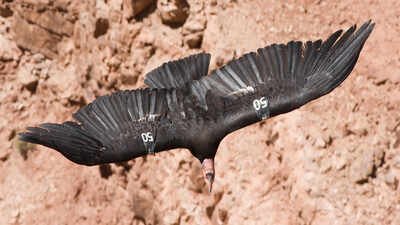
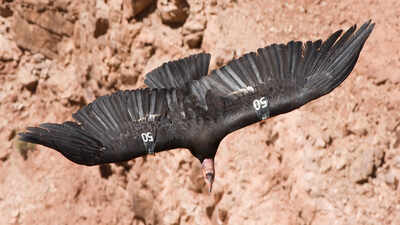
Human activity can disrupt ecosystems in complex ways, sometimes forcing conservationists to take extreme measures to save a species from disappearing forever. In the late twentieth century, the skies over western North America were on the verge of losing one of their most magnificent inhabitants. The California condor, a massive bird with a wide wingspan, was experiencing a devastating population crash. For decades, a combination of expanding towns, illegal poaching, and a hidden chemical threat chipped away at their numbers until the species was teetering on the absolute edge of extinction.The situation became so dire that wildlife officials realised standard preservation methods would no longer work. In 1987, the United States made the unprecedented decision to capture every remaining wild California condor after lead poisoning, habitat loss, and poaching left just 27 birds alive. It meant removing the species from its natural habitat in an effort to save it. This dramatic rescue mission was documented in a scientific paper, published in the journal Proceedings of the National Academy of Sciences. Today, thanks to that risky decision, hundreds of these ancient birds once again soar across western skies.The paper argues that the rescue succeeded only on paper: it reconstructed condor population growth from 1982 to 2010 and found that lead poisoning was still driving mortality after reintroduction. Using demographic models, the authors estimated that about 20% of free-flying birds in California needed chelation treatment each year, and that 48% of birds released or wild-fledged between 1997 and 2010 showed blood lead levels high enough to require treatment.Uncovering the hidden toxin in the wildRemoving the birds from the wild was only the first step in a longer conservation effort. As detailed in the study, researchers needed to understand the precise biological mechanisms that were driving the condors to extinction. While habitat loss and shooting certainly harmed the population, the scientific analysis revealed that lead poisoning was the primary obstacle to the survival of the species.According to the research findings, the condors were inadvertently consuming fragments of lead ammunition left behind in animal carcasses by hunters. Because condors are scavengers that rely entirely on finding dead animals for food, they regularly swallowed these tiny, toxic fragments. The study explained how the birds’ acidic digestive systems caused the lead to dissolve rapidly, allowing the toxin to enter their bloodstreams and cause neurological and physical damage.
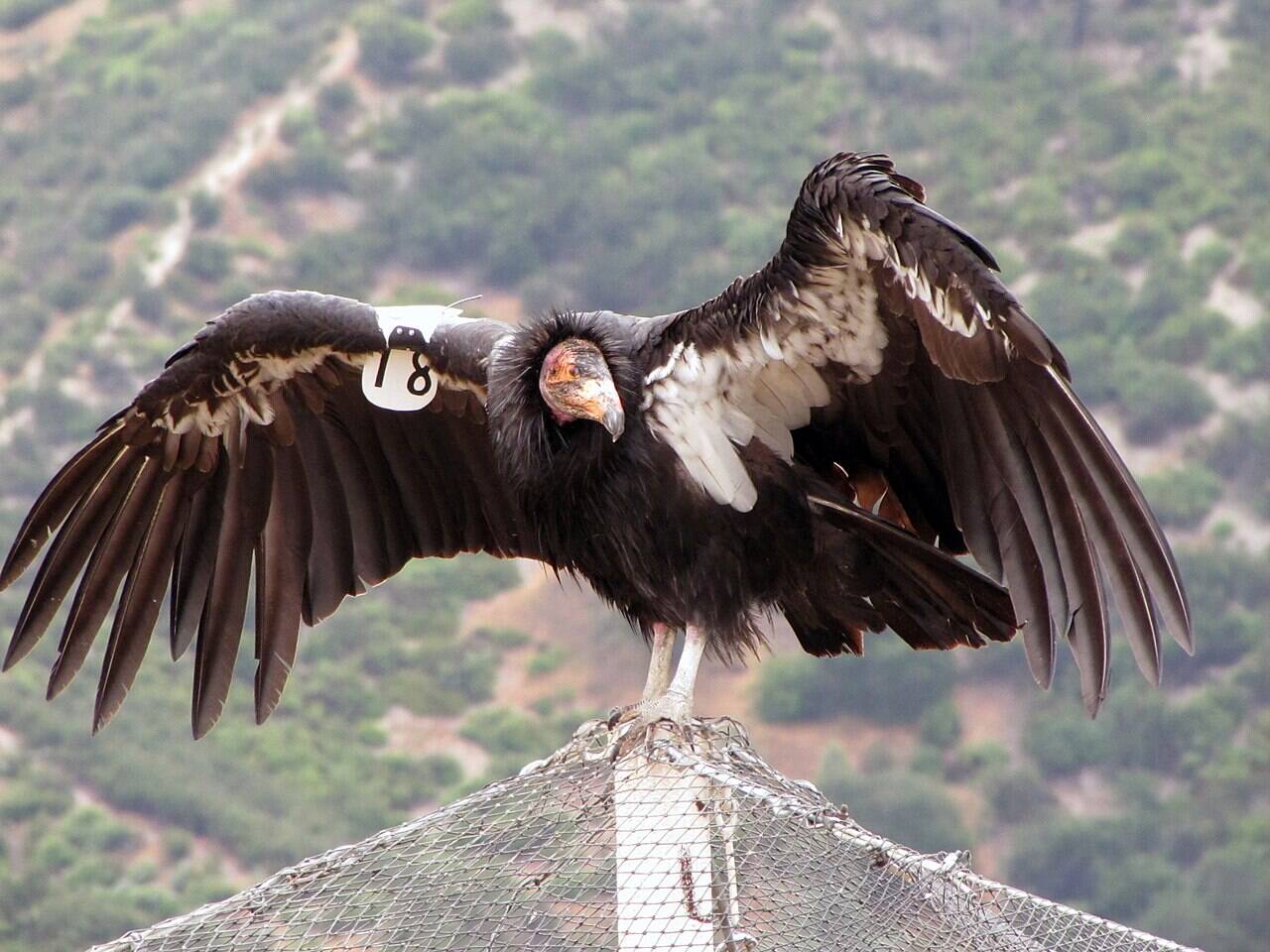
Despite breeding successes, the toxin persisted, necessitating strict ammunition regulations. This intervention, though intensive, has allowed these magnificent birds to once again grace western skies, showcasing the power of identifying and addressing environmental threats. Image Credits: Wikimedia Commons
A slow path back to the skiesThe research highlighted a difficult reality for conservationists working on the breeding project. Even after successfully raising young condors in captivity and releasing them back into the wild, the birds continued to encounter the same toxic threat. The study monitored blood samples from captive-bred and wild-born birds over several years and found that many birds required regular medical treatment to lower lead levels.This scientific insight showed that simply breeding more birds would not fix the underlying environmental crisis. The research argued that the California condor would need strict ammunition regulations to achieve self-sustaining recovery. By identifying lead ammunition as the primary threat, the study helped pave the way for newer state and federal initiatives that encourage hunters to switch to non-lead alternatives.In recent years, conservation scientists have increasingly relied on novel management strategies and regional policy changes to counteract the continuous risk of lead poisoning. Indeed, in 2019, California enacted an unprecedented statewide ban on the use of lead ammunition in hunting—a legislative milestone directly informed by demographic studies of the species’ decline. Additionally, biologists have been able to extend the current habitat of the California condor to include new sites for releases, including the reintroduction program spearheaded by the Yurok Tribe in 2022 within the Redwood National and State Parks. Such northern redwood sites provide a pristine habitat and an abundant source of food in the form of dead marine mammals, ensuring that the birds are exposed to fewer lead fragments on land. While intense field treatment efforts such as chelation therapy and regular blood monitoring are still crucial for the species’ survival, the combination of regional ammunition prohibitions and the strategic extension of its habitat may very well prove to be the most successful strategy to restore the California condor to a truly self-sufficient state.The recovery programme shows how intensive human intervention can help reverse a species decline. While the birds still require careful monitoring and management by dedicated field teams, their growing presence in the skies shows that identifying the cause of an environmental threat can help a species recover.