Vinay Kumar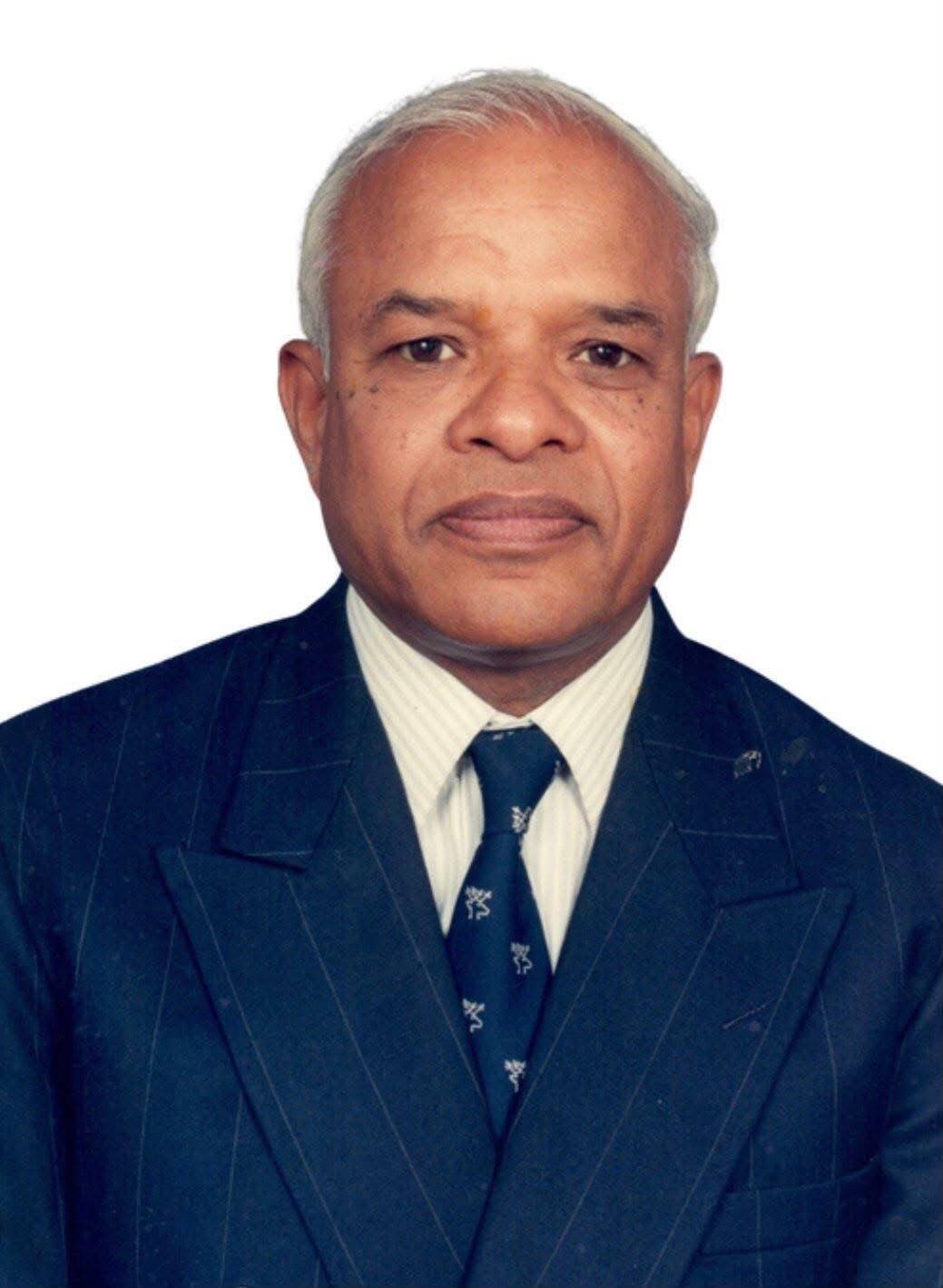
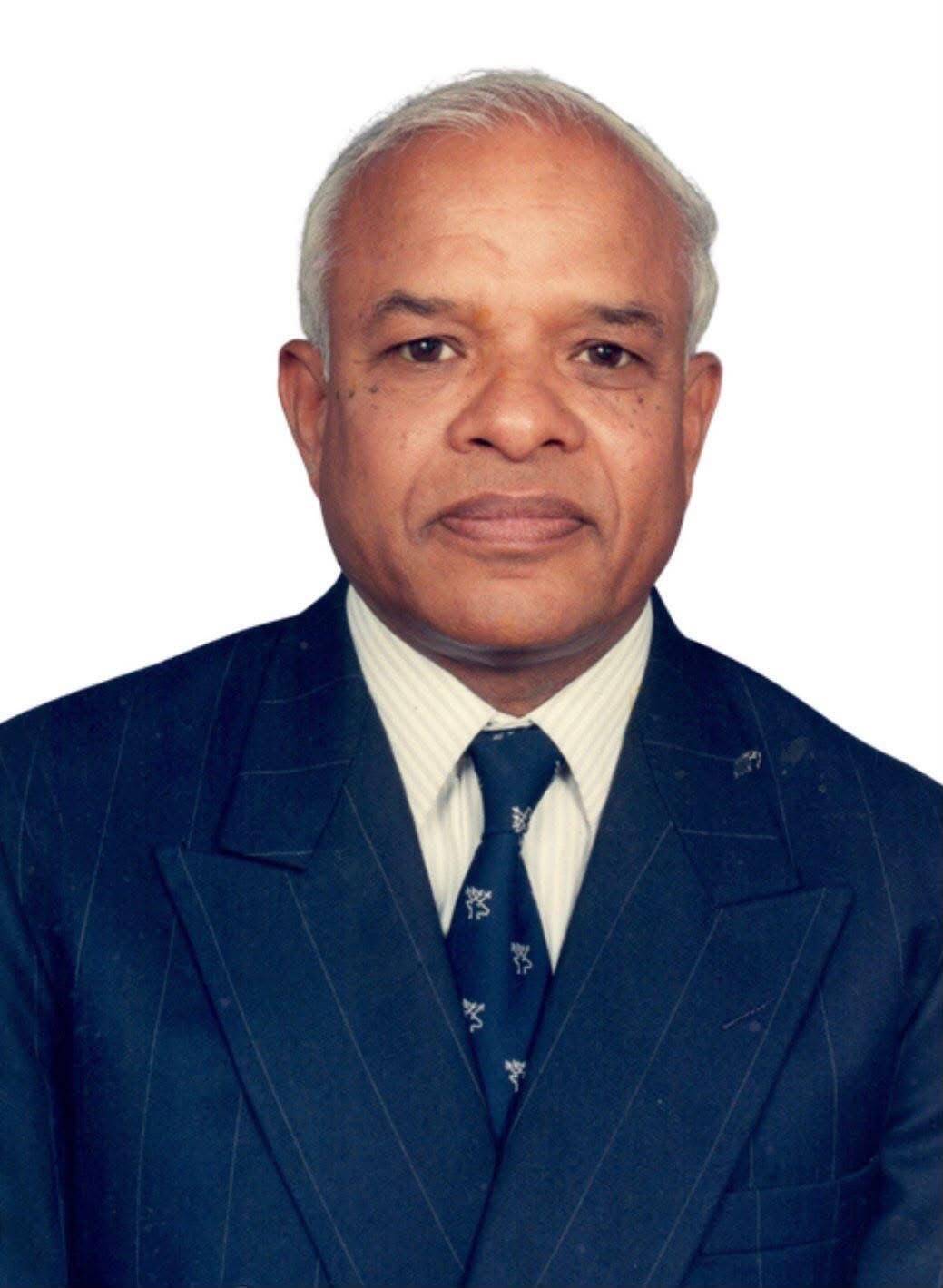
With the passing of HS Panwar on May 29 this year, India has lost one of the most visionary and influential architects of modern wildlife conservation. A recipient of the Padma Bhushan, former director of Project Tiger, founder director of the Wildlife Institute of India (WII), and widely regarded as one of the pioneers of scientific protected area management in the country, he leaves behind a conservation legacy that will endure for generations. Notably, he remains the only officer of the Indian Forest Service to have been honoured with the Padma Bhushan, one of India’s highest civilian awards, in recognition of his extraordinary contributions to wildlife conservation and environmental stewardship.
HS Panwar belonged to a rare generation of conservation leaders who combined vision, courage, scientific thinking, and administrative excellence. At a time when wildlife conservation in India was still evolving as a national priority, he helped establish many of the principles and practices that continue to guide conservation management today.

Among his most celebrated achievements was the rescue of the hard-ground barasingha in Kanha National Park, Madhya Pradesh. When the species had declined to dangerously low numbers, many feared its extinction. Through scientific habitat management, restoration measures, and innovative conservation interventions, he led one of India’s most successful species recovery programmes. The thriving populations of barasingha seen today stand as a living testament to his vision and perseverance.
As director of Project Tiger, he provided leadership during a formative period in the programme’s evolution. His contributions helped strengthen the institutional and management foundations that later enabled India to emerge as a global leader in tiger conservation. He understood that long-term conservation success required not only protected areas and legislation, but also competent institutions, trained professionals, and a strong scientific foundation.
Perhaps his most enduring contribution was the establishment of the Wildlife Institute of India. As its founder director, he nurtured the institute during its formative years and laid the foundations of an institution that has since become a centre of excellence in wildlife research, training, and conservation capacity building. Thousands of wildlife managers, scientists, researchers, and conservation practitioners in India and abroad have benefited directly or indirectly from the institution he created.
Beyond his professional accomplishments, Panwar was an exceptional mentor. He had a remarkable ability to identify potential in young professionals, entrust them with responsibility, and inspire them to pursue excellence. Many of India’s conservation leaders today owe an important part of their professional growth to his encouragement, guidance, and faith in their abilities.
I had the privilege of knowing and working with him for nearly four decades. My association with him began in the mid-1980s when he selected me, as a young Indian Forest Service officer, to join the Wildlife Institute of India. That decision became one of the defining turning points of my professional life. I was later fortunate to work closely with him in Sri Lanka during a UNDP-GEF programme on strengthening protected area management capacity. These interactions allowed me to appreciate not only his professional brilliance but also his humility, generosity, and unwavering commitment to conservation.
One conversation with him has remained with me throughout my career. Curious about his extraordinary ability to accomplish what others considered impossible, I once asked him the secret of his success. His answer was characteristically simple: “Set impossible targets and then pursue them relentlessly. Success will be yours.” That philosophy defined his life and achievements. It also became a guiding principle for many of his students and colleagues.
The true measure of his contribution lies not only in the honours he received or the positions he held, but in the institutions he built, the species he helped save, the protected areas he strengthened, and the generations of conservation professionals he inspired. His vision continues to live through India’s conservation successes and through the countless individuals whose lives he touched.
Panwar was far more than a conservationist. He was an institution builder, a mentor, a visionary leader, and a nation builder whose contributions transformed wildlife conservation in India.
Disclaimer
Views expressed above are the author’s own.