Vinay Kumar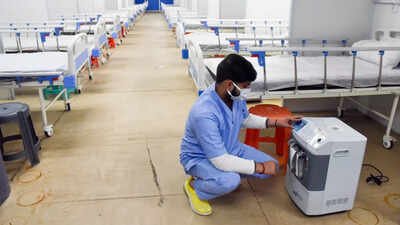
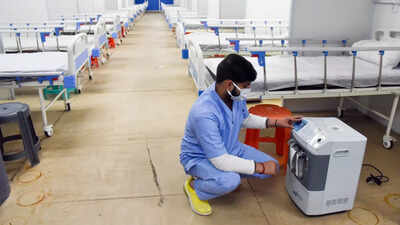
NEW DELHI: From MRI machines and CT scanners to surgical implants and critical care equipment, India’s dependence on imported medical devices is continuing to grow despite years of efforts to boost local manufacturing.Imports of medical devices rose 17% in the last financial year to nearly Rs 89,000 crore, up from Rs 76,000 crore the previous year, prompting domestic manufacturers to seek stronger government support and greater access to public procurement.The demand comes as the Department of Pharmaceuticals has launched a review of the list of medical devices that government agencies are allowed to buy through global tenders. The exercise could determine whether hospitals continue sourcing certain products from overseas suppliers or increasingly turn to Indian manufacturers.Industry body AiMeD has urged the government to remove from the exemption list devices that are already being manufactured in India.“The revised list is under review by our members. We will provide details of manufacturing capacities to ensure products already made in India are removed from the exemption list,” said Rajiv Nath, Forum Coordinator, AiMeD.The industry has also highlighted a challenge faced by many Indian manufacturers. While companies may have invested in factories and started production, they often remain ineligible for government procurement because they have not completed the required three-year market standing period.Manufacturers argue that advanced medical devices take years to develop and regulatory approvals alone can take up to 15 months for high-risk products. During this period, companies bear staffing and financing costs without generating revenue.AiMeD has called for preferential access to government procurement and limited tariff protection for emerging domestic manufacturers.The debate comes at a time when the government is seeking to build self-reliance in strategic sectors. Industry representatives say reducing dependence on imported medical equipment could strengthen supply chains, create jobs and improve India’s ability to meet healthcare needs during global disruptions such as pandemics.