 Vinay Kumar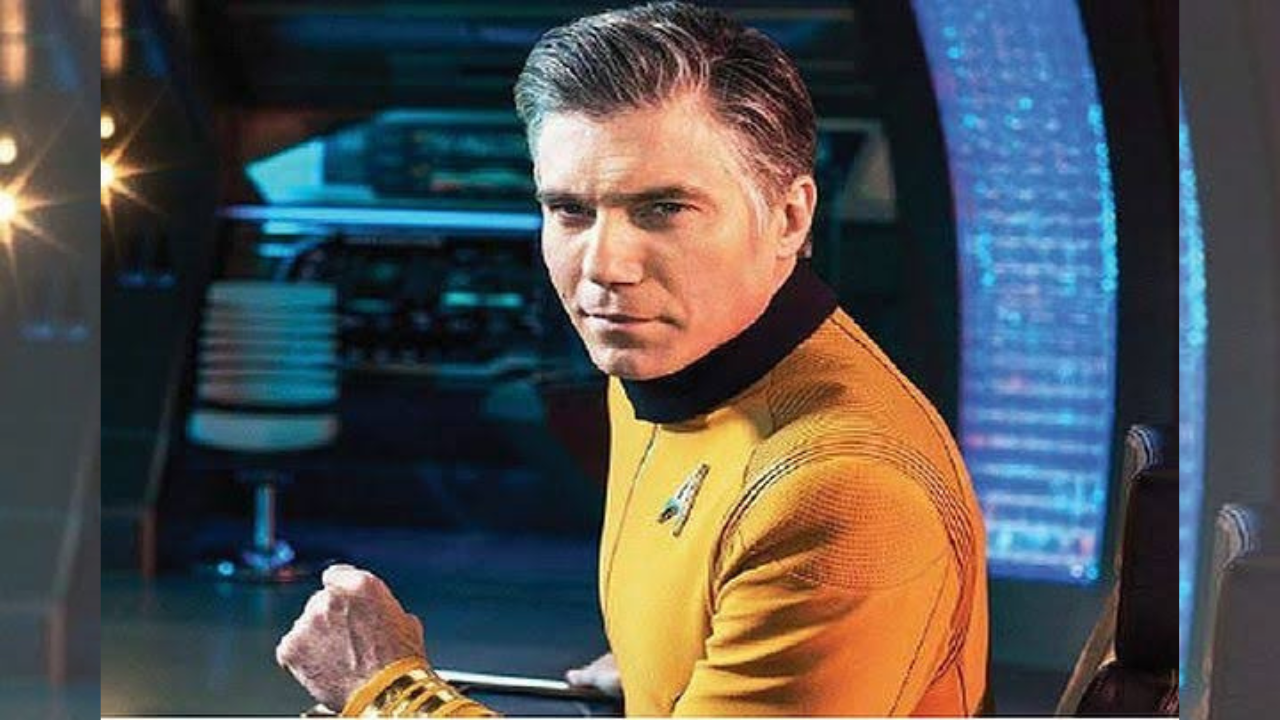
In Star Trek lore, the Kobayashi Maru is the infamous, rigged training simulation that places command cadets in a scenario where every tactical option leads to unavoidable defeat. You can fly the ship beautifully, distribute shield power with perfect discipline, and coordinate your crew flawlessly—and you still explode.
When one hits a structural dead end, four distinct impulses emerge.
1. Christopher Pike’s Nobility
Captain Pike is a tragic hero. Facing a no-win scenario, he rejects the paradigm shift, stays behind to save others, and delays the inevitable. His actions are deeply honourable, but nobility is a character trait, not a strategy.
In high-stakes deadlocks, this is the leader who demands the team increase output while tightening their belts. The hours get longer, the teams get thinner, but the physics of the situation remain unchanged.
Yet, we must not dismiss this completely: when a system isn’t fundamentally broken but simply facing a brutal market cycle, this exact operational discipline and grit is what keeps the engine alive. But it fails when the game is rigged.
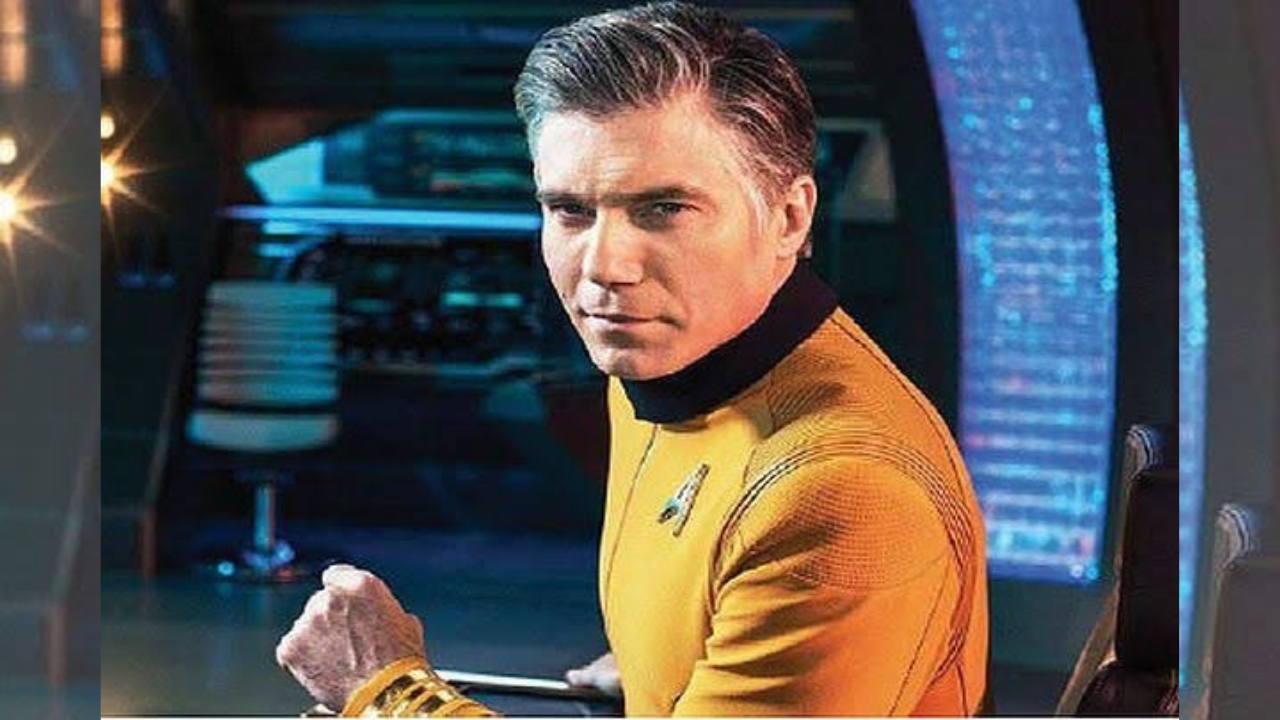

2. Jean-Luc Picard’s Strategy
Jean-Luc Picard represents the peak of institutional intellect. He is a philosopher and a grandmaster strategist. But Picard’s natural domain is chess, a game of perfect information where every piece is visible, quantifiable, and follows established rules.
Picard famously struggled against the Borg because he tried to fight an asymmetric, network-driven system using a linear, hierarchical playbook.
By the time his highly analysed strategy finally plays out, the enemy had already evolved. He gets trapped in a state of permanent mid-transition.

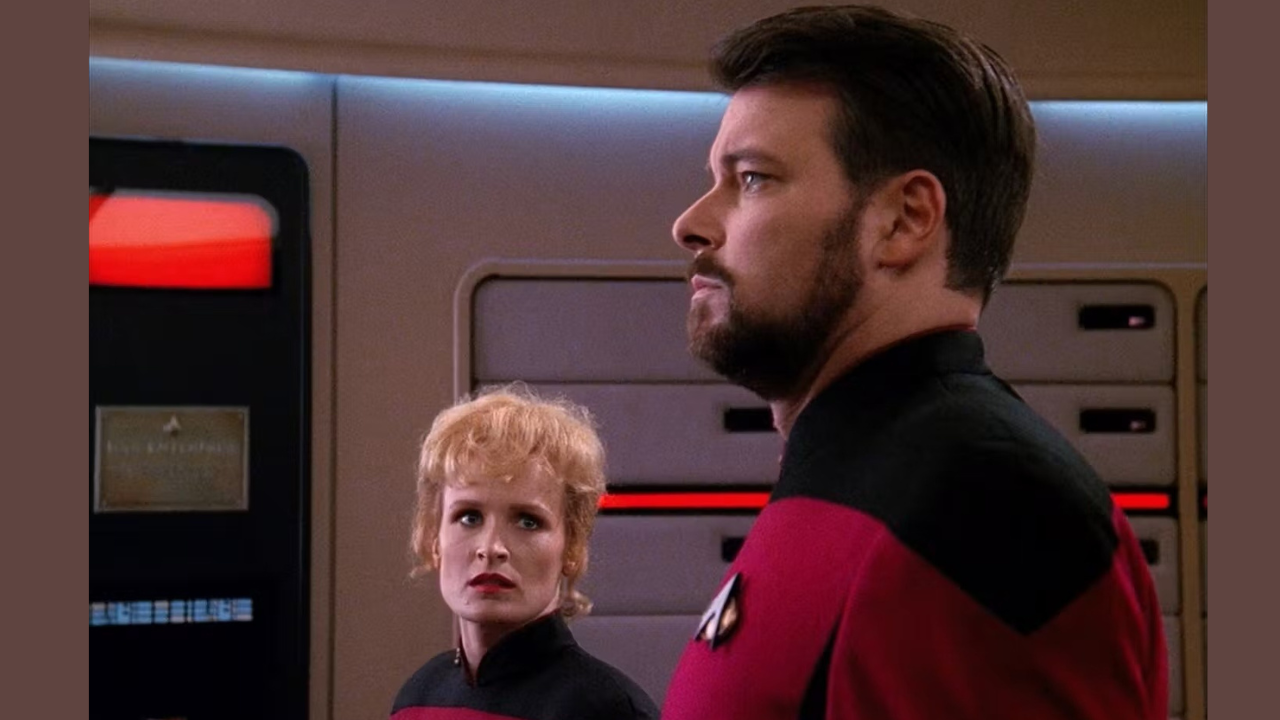
3. Commander Shelby’s Velocity
When faced with an existential crisis, Commander Shelby defaults to a distinct bureaucratic playbook: identify legacy leaders as bottlenecks, construct sharp narratives around their inadequacies, and bypass the chain of command to centralise operational control.
Because she moves fast, she is highly vulnerable to getting things wrong. But because she is a masterful political operator, her response to a mistake is never self-reflection—it is an immediate, aggressive tactical pivot.
Her structural impatience is sometimes the exact forcing function needed to break through deep organisational inertia. The tragedy of the Shelby posture is that it mistakes internal domination for market victory.
4. James T. Kirk’s Disruption
Only one cadet ever beat the Kobayashi Maru: James T. Kirk. He recognised that the test was rigged at the level of its objective function. He refused to accept the premise, reprogrammed the simulation, and changed the code. As he later noted: “I don’t believe in the no-win scenario.”

This disruptive philosophy extends far beyond the simulator room. We see it play out cleanly in the classic episode “The Corbomite Manoeuvre” when Kirk’s ship is cornered by a massive, hostile alien flagship, forcing a clash between two entirely different strategic paradigms:
- The Chess Approach: The adversary establishes absolute dominance. Spock runs the math and confirms: “We have no options. Checkmate.”
- The Poker Approach: Kirk realises he has lost a head-on, conventional fight. So, he introduces imperfect information, bluffing that the Enterprise contains a hidden, catastrophic doomsday technology (“Corbomite”). The adversary’s systems cannot confirm or deny the threat, and they back down.

The strength in Kirk’s approach is not the bluff but the refusal to accept rigged games and redefine the objective function.
When trapped in a no-win scenario, Kirk represents the ultimate pivot from defensive optimisation to radical redefinition of the crisis. A no-win scenario cannot be solved by deeper optimisation inside the existing rules. That only gets you to the wall faster. You cannot optimise your way out of the wrong objective.
Yet, relying solely on Kirk’s playbook introduces a dangerous vulnerability: blind disruption without a structured framework creates chaos, not stability. A poker bluff can win a critical hand, but it cannot sustain long-term victory.
Conclusion
The ultimate trap in a systemic crisis is choosing between Pike’s protect-the-past inertia or Shelby’s frantic internal redo. None of them addresses the external environment.
If the game is rigged against you, stop playing chess. Introduce imperfect information, redefine your core objective, and change the rules before the clock runs out.
But what happens if the clock doesn’t run out? That’s when Picard’s commitment to long-term stability becomes key.
True leadership in a structural crisis requires a dual-track transition: you deploy Kirk’s asymmetric playbook to shatter the rigged objective function and break the wall, but you immediately anchor the new frontier with Picard’s foundational principles, scalable systems, and disciplined engineering. Kirk breaks the wall, but Picard builds the new house.
Disclaimer
Views expressed above are the author’s own.