Vinay Kumar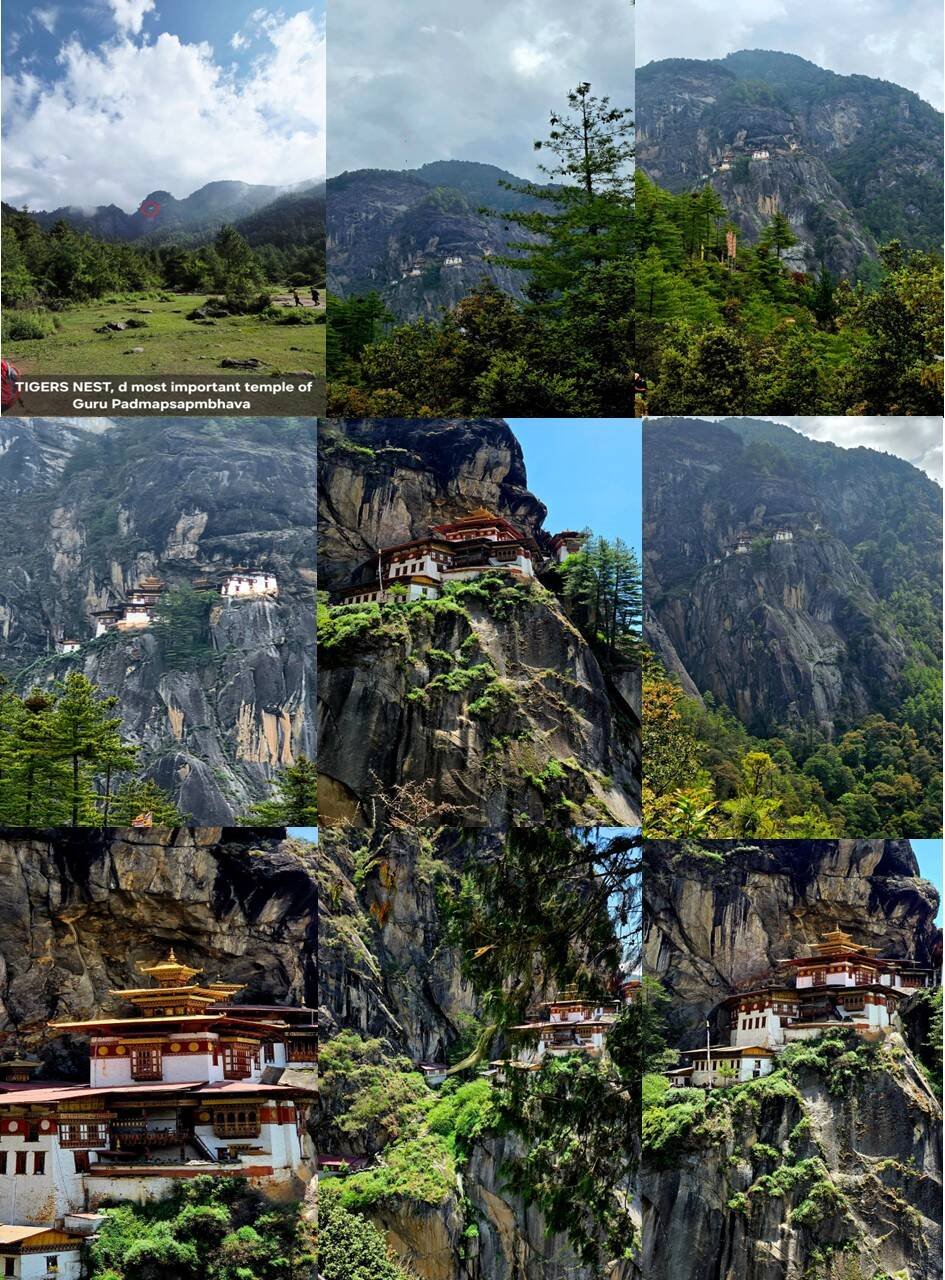
When a woman gets married, she always yearns to visit her parental home. Similarly, ever since I got married to spirituality (Vajrayana), I have yearned to go to Takshang (Tiger’s Nest), Bhutan. Though I yearned for a decade to visit Bhutan, it materialised recently when I reached Paro and began preparing for the trek to my ‘parental home’, Takshang, to visit my ‘eternal father’, Guru Padmasambhava.
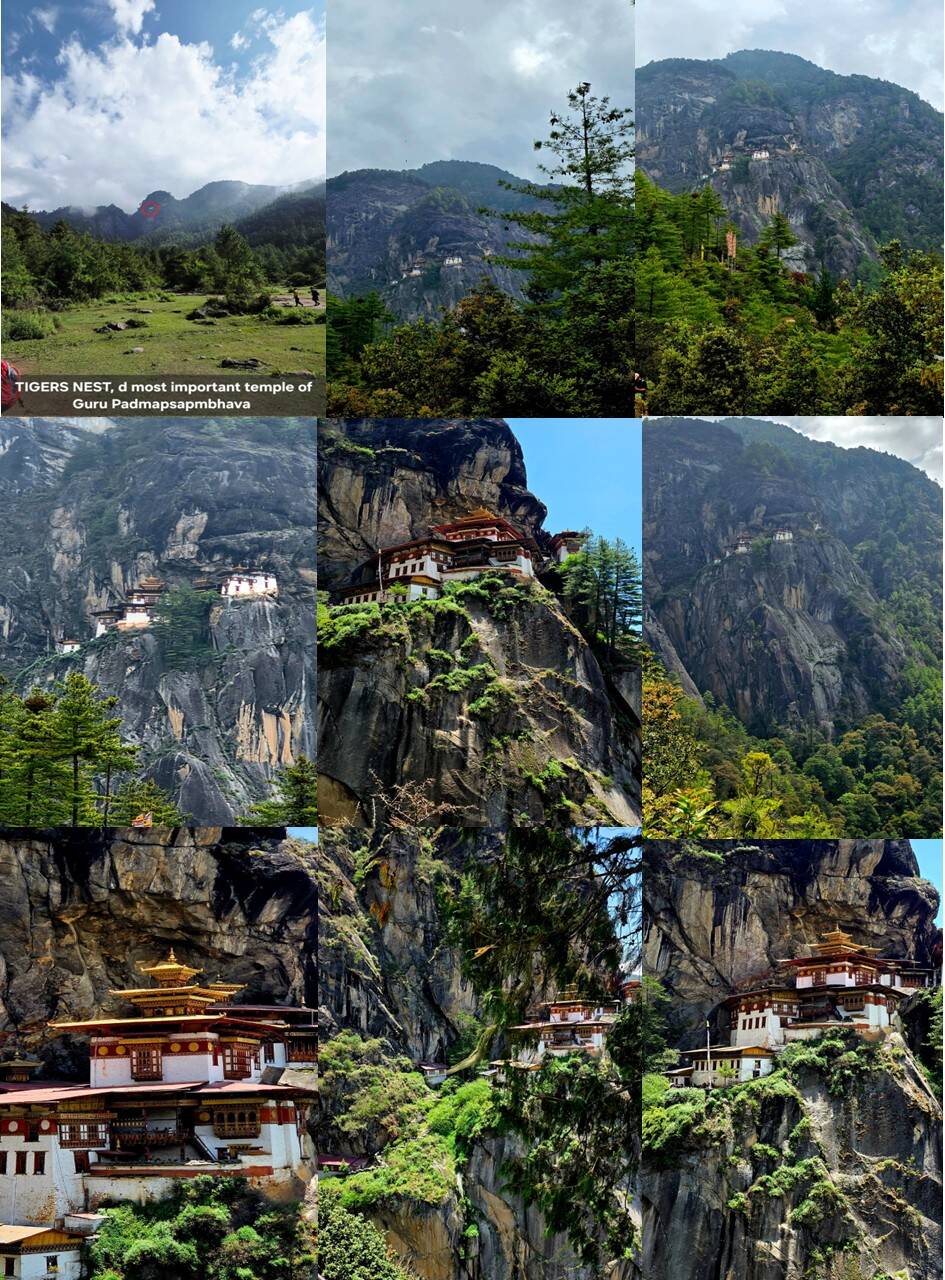

The sacred monastery of Paro Taktsang is the most revered Buddhist pilgrimage site in Bhutan. It is dramatically perched on a cliff about 900 meters above the Paro Valley. The monastery was built around a group of sacred meditation caves where Guru Padmasambhava, also known as Guru Rinpoche, is believed to have meditated in the 8th century. According to Bhutanese tradition, he arrived flying on the back of a tigress, which was actually his spiritual consort Yeshe Tsogyal in transformed form. This gave the monastery its name, Taktsang, meaning “Tiger’s Nest”.
Guru Rinpoche meditated here for three years, three months, three weeks and three days. During this period, he manifested in his Eight Divine Forms and subdued the negative forces believed to be obstructing the spread of Buddhism in the Himalayas. The present monastery complex was constructed in 1692 by Gyalse Tenzin Rabgye around the sacred caves.
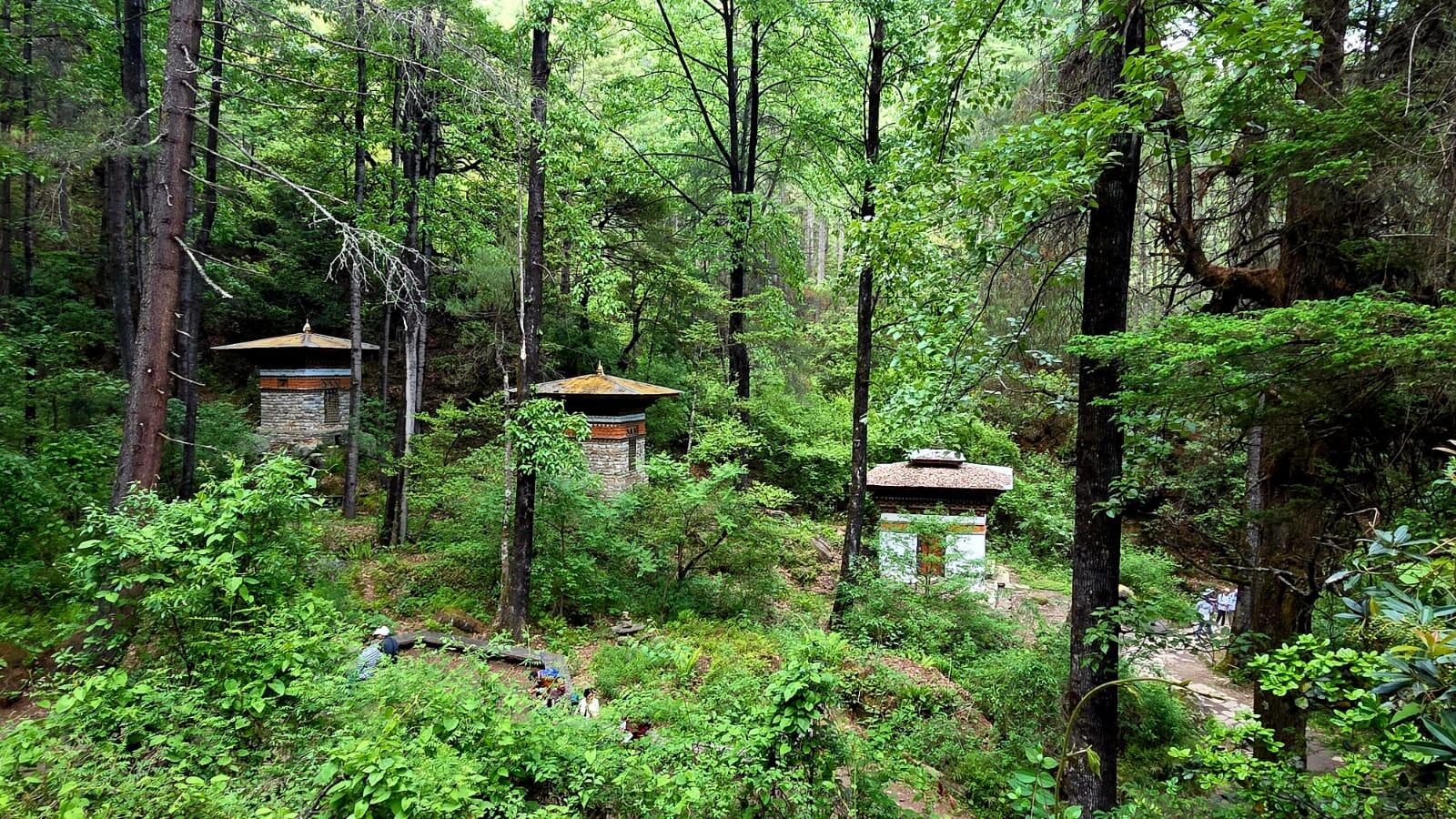

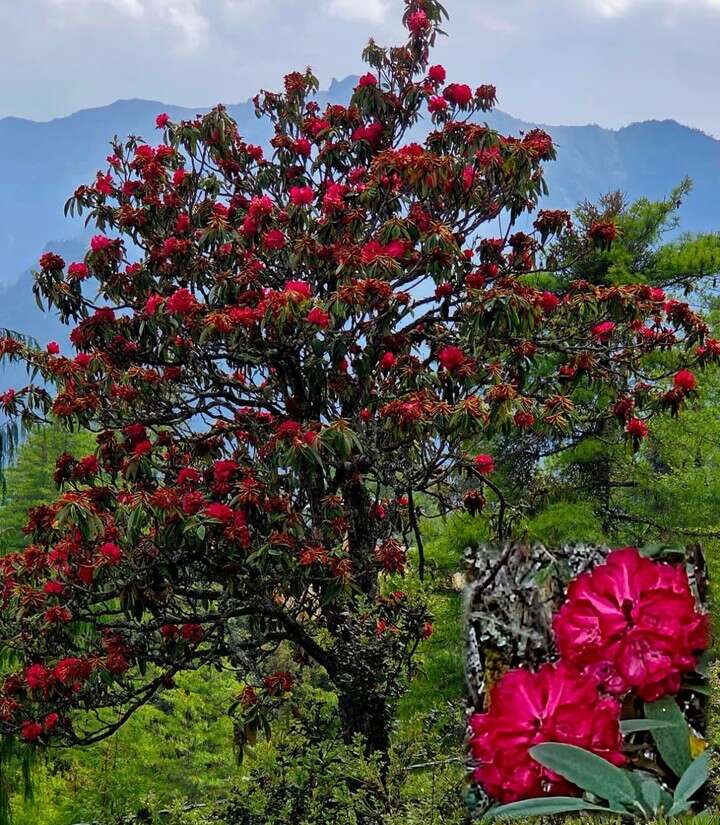
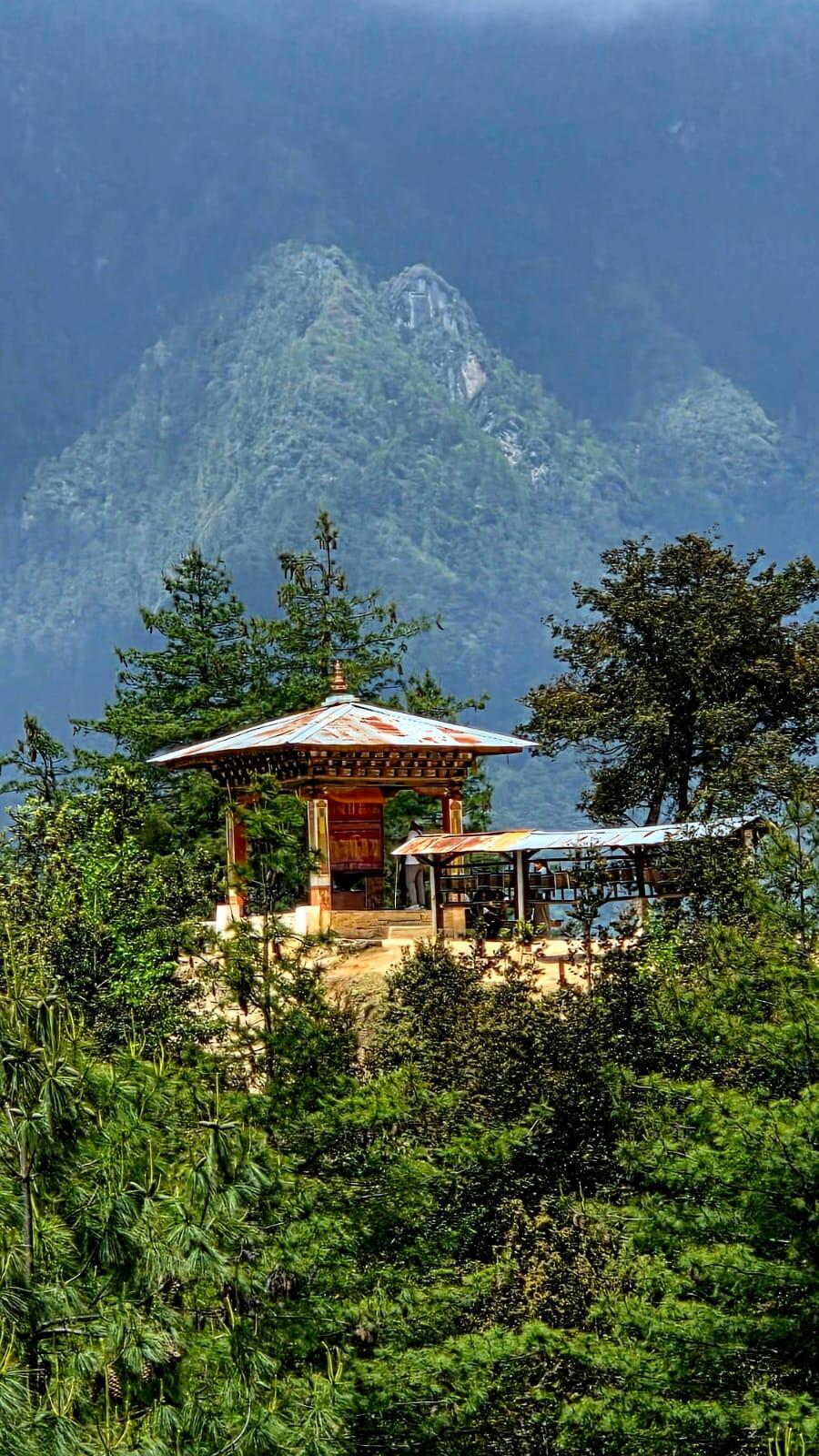
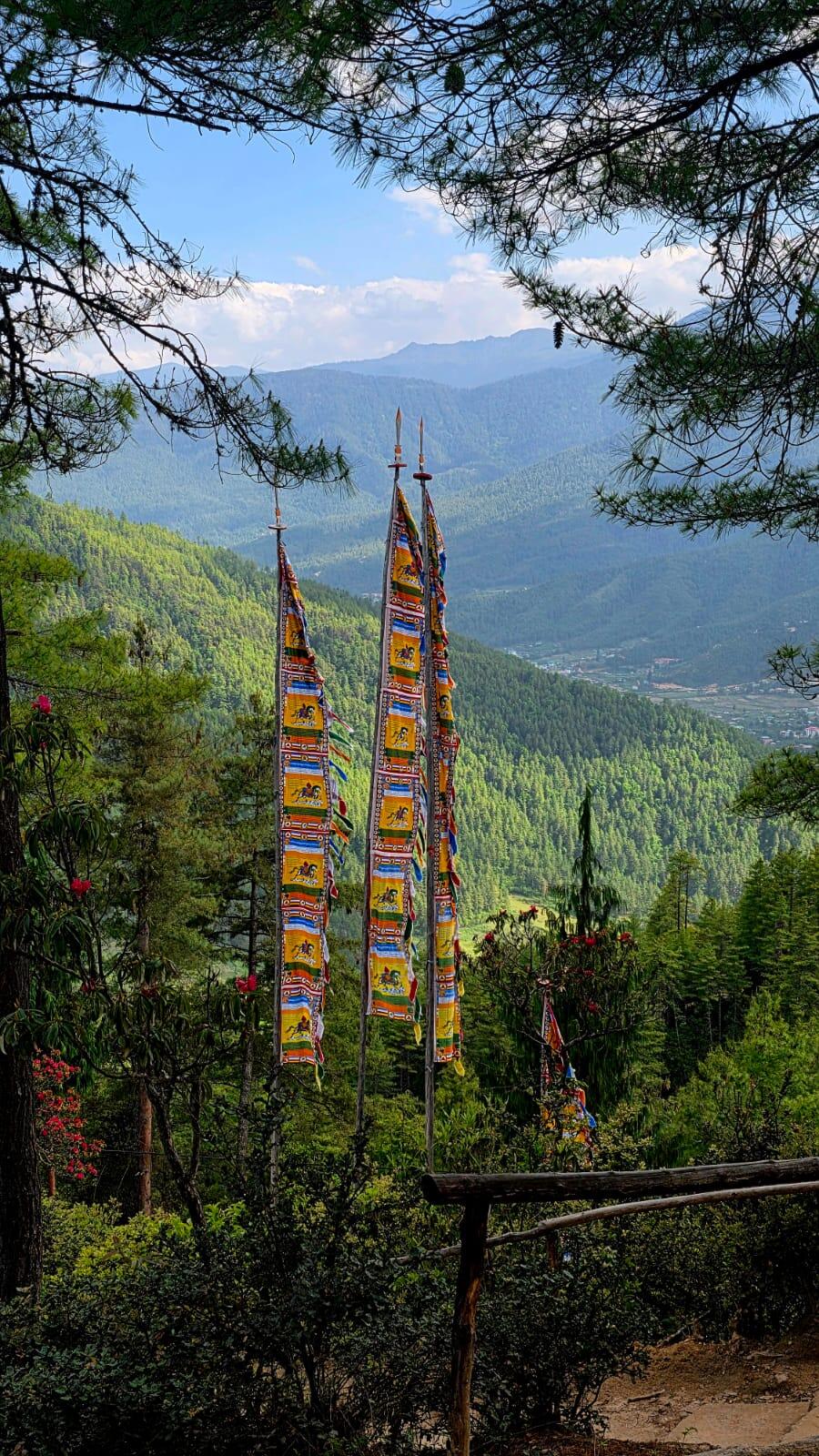
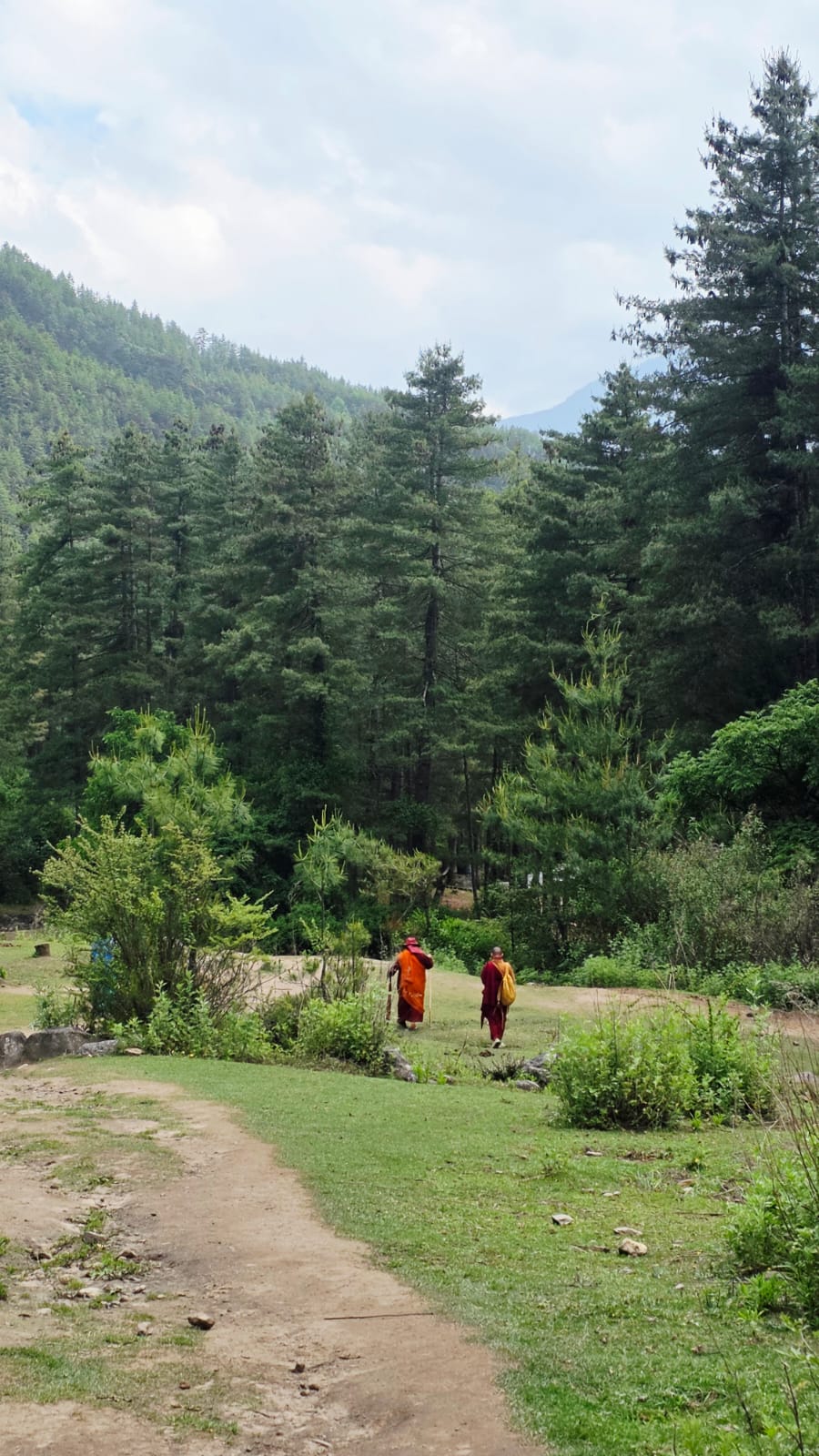
I reached the Tiger’s Nest Trailhead, 15 km from Paro, at 7.30am and began the climb after paying the entry fee of Nu. 1,000 (approx Rs 999). Perched high above the clouds, the monastery appeared like a heavenly palace on a distant cliff. Chanting the Vajra Guru Mantra from the very first step, I climbed through beautiful forests of blue pine, rhododendron, oak and fir. After about 90 minutes, I reached the cafeteria viewpoint, which offered a stunning view of the monastery clinging dramatically to the mountainside. From there, the trail steeply ascended initially, then descended into a deep gorge beside a spectacular waterfall before the final ascent of 730 steep stone steps. The climb was very tough, but the moment I reached the top, all fatigue disappeared. Standing on the sacred cliff, overlooking the green Paro Valley far below, I felt as if I had reached heaven.
The monastery consists of several temples, shrines and meditation caves connected by stairways and bridges. Four principal temples surround the original meditation caves. Taktsang Pelphug Cave is the holiest place in the entire complex. The cave is believed to be the exact place where Guru Rinpoche performed his profound meditation and attained extraordinary spiritual realisation. The monastery itself was built around this cave. Inside are statues of Guru Rinpoche in various manifestations, Bodhisattvas, sacred scriptures and continuously burning butter lamps. Pilgrims consider this cave the spiritual heart of Bhutan. The cave symbolises the victory of wisdom over ignorance. It is believed that the blessings of Guru Rinpoche remain permanently present here.
Tholu Phuk Cave marks the spot where Guru Rinpoche first arrived after flying on the tigress. The name means “Tiger Cave”. The cave represents the arrival of enlightened wisdom into Bhutan. Pilgrims pray here to remove obstacles, fears and karmic negativity. The cave reminds devotees that spiritual transformation often begins when one confronts inner demons and fears.

Guru Tshengye Lhakhang is the Temple of the Eight Manifestations of Guru Rinpoche. This is one of the most important temples within Taktsang. It is dedicated to the Eight Manifestations of Guru Rinpoche, which represent eight aspects of enlightened activity. These forms are not different individuals but different expressions of the same enlightened consciousness.
The eight manifestations signify:
- Guru Tsokye Dorje, or the Lotus-Born Guru. This form emerged from a lotus flower in Lake Dhanakosha. He symbolises purity, miraculous birth and the transcendence of worldly limitations.
- Guru Shakya Senge, which means Lion of the Shakyas. This manifestation resembles the Buddha as a monk. He represents renunciation, discipline, learning and the monastic path.
- Guru Loden Chokse is the seeker of Supreme Knowledge. This form symbolises the tireless search for wisdom and spiritual knowledge.
- Guru Padmasambhava is the peaceful royal form holding a vajra and skull cup. He represents compassion, wisdom and spiritual mastery.
- Guru Nyima Ozer is the Rays of the Sun. This manifestation radiates divine light. He symbolises the removal of ignorance and the illumination of truth.
- Guru Senge Dradrok is the Lion’s Roar. This wrathful form proclaims the teachings fearlessly. He symbolises courage, spiritual power and the defeat of ignorance.
- Guru Dorje Drolo is the most famous form associated with Taktsang. He appears wrathful and rides a tigress. He subdued local spirits and transformed negative energies into protectors of Buddhism. He symbolises fearless transformation and the destruction of ego.
- Guru Pema Gyalpo is the Lotus King. This youthful princely form represents beauty, magnetism and enlightened influence. He attracts beings toward the Dharma through love and compassion.
These Eight Manifestations are central to Bhutanese Vajrayana Buddhism and are prominently depicted throughout Taktsang.

The Temple of the Self-Speaking Guru is one of the most sacred shrines in the complex and contains the famous ‘Self-Speaking Guru’ statue. According to tradition, when monks were unable to transport the large statue across the cliff, the statue itself spoke and reassured them. The image was then miraculously carried to its destination. The shrine contains paintings of the Eight Manifestations of Guru Rinpoche and his twenty-five principal disciples.
The Shrine of Chenrezig, or Buddha Kwan-in (Chinese), within the sacred caves and temples contains images of Chenrezig, known in Sanskrit as Avalokiteshvara. Chenrezig is the Bodhisattva of Infinite Compassion. He is usually depicted with 1,000 arms and eyes, symbolising his ability to see the suffering of all beings and help them simultaneously. For Bhutanese Buddhists, Chenrezig embodies universal love, compassion and mercy.
Several images of Bodhisattvas are enshrined within the caves and temples, such as:
Manjushri — the Bodhisattva of Wisdom, who carries a flaming sword that cuts through ignorance. His teachings emphasise knowledge, understanding and enlightenment.
Vajrapani — the Bodhisattva of Spiritual Power. He protects the Dharma and represents the power necessary to overcome obstacles.
Chenrezig — the Bodhisattva of Compassion.
Together, wisdom, power and compassion form the three essential qualities of enlightenment in Vajrayana Buddhism.
Taktsang contains images of wrathful protector deities. These deities may appear fierce but are considered compassionate guardians who destroy ignorance, ego, hatred and spiritual obstacles. Common protector deities found in Himalayan Buddhist temples include forms of Mahakala, Hayagriva and Vajrakaya. Their frightening appearance symbolises the fierce energy required to overcome inner negativity.
The significance of the tigress is one of the most important symbols of Taktsang. It represents:
- Divine feminine wisdom
- Transformation of negative energy
- Fearlessness
- Spiritual power
- The union of wisdom and compassion
Since the tigress was the manifestation of Yeshe Tsogyal, it also symbolises the essential role of feminine spiritual realisation within Vajrayana Buddhism.
For Bhutanese Buddhists, Taktsang is not merely a monastery. It is believed to be the place where Bhutan was spiritually consecrated by Guru Rinpoche. The site marks the triumph of Buddhism over negative forces and the establishment of Vajrayana teachings in the country. Every Bhutanese aspires to visit Taktsang at least once in life because it is believed that a pilgrimage here generates immense spiritual merit and blessings. The entire complex is therefore viewed as a living mandala of Guru Rinpoche, where every cave, statue, deity and shrine represents a stage in the journey from ignorance to enlightenment.
I spent 1.5 hours in the caves and temple meditating and absorbing the energy of my guru. I felt rejuvenated, revitalized and regenerated. There could be no greater blessing than being here for a disciple of Guru Rinpoche. My life felt complete and fulfilled.
Disclaimer
Views expressed above are the author’s own.
END OF ARTICLE